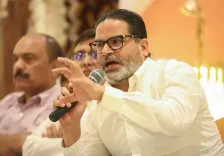
CM Rekha Gupta congratulates new Delhi child rights panel chief

Synopsis
Delhi Chief Minister Rekha Gupta congratulated Om Prakash Vyas as the new chairperson of the Delhi Commission for Protection of Child Rights on 7 July 2026, calling child welfare the strongest foundation of a developed India and urging the reconstituted body to protect every child's rights with dedication.
Key Takeaways
Delhi CM Rekha Gupta congratulated Om Prakash Vyas as the newly appointed chairperson of the Delhi Commission for Protection of Child Rights on 7 July 2026 .
The DCPCR is a statutory body established under the Commissions for Protection of Child Rights Act, 2005 to safeguard children's rights in Delhi .
CM Gupta framed child welfare as the 'strongest foundation' of the Viksit Bharat vision of a developed India by 2047 .
She called on the new leadership to work with sensitivity, dedication, and a sense of duty for the all-round development of every child.
The commission's new panel will be watched for suo-motu inquiries and recommendations on child welfare schemes in Delhi .
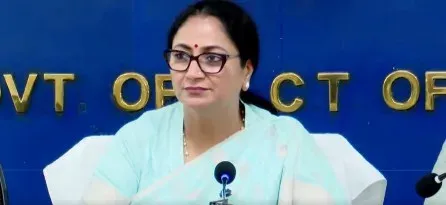
Delhi Chief Minister Rekha Gupta on Tuesday, 7 July 2026, extended congratulations to the newly appointed chairperson and members of the Delhi Commission for Protection of Child Rights (DCPCR), expressing confidence that the reconstituted body will work with sensitivity and dedication to protect every child's rights in the capital.
Context
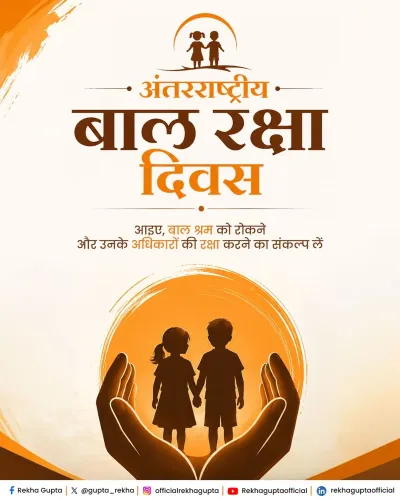
Posting on X, CM Gupta congratulated Om Prakash Vyas as the newly appointed chairperson of the DCPCR, along with all newly inducted members. In her post, she wrote: 'हर बच्चे का सुरक्षित बचपन, सम्मानजनक जीवन और उज्ज्वल भविष्य ही विकसित भारत की सबसे मजबूत नींव है' ('A safe childhood, dignified life, and bright future for every child is the strongest foundation of a developed India'). She described the commission as a 'powerful sentinel' of this resolve.
She expressed 'full confidence' that the new leadership would work for the 'all-round development' of children, safeguarding their rights with sensitivity, dedication, and a sense of duty.
Policy Backdrop
The DCPCR is a statutory body constituted under the Commissions for Protection of Child Rights Act, 2005, which mandated the creation of national and state-level commissions to monitor, protect, and promote children's rights across India. The Delhi commission operates as the principal watchdog for child welfare issues in the capital, from education access to child safety and grievance redressal.
CM Gupta linked the commission's mandate to the Viksit Bharat vision — the central government's national goal of a fully developed India by 2047 — framing child welfare as the bedrock of that ambition. Indian states periodically reconstitute such commissions to keep them operationally effective and aligned with current policy priorities.
Stakeholders and Impact
The reconstituted DCPCR will directly affect millions of children in Delhi, particularly those vulnerable to safety risks, educational exclusion, and rights violations. Child welfare organisations, schools, and government departments dealing with juvenile welfare will interact closely with the commission's new leadership.
The appointment of Om Prakash Vyas as chairperson signals the BJP-led Delhi government's intent to give the body fresh direction. Successive governments have used the commission's suo-motu inquiry powers and annual reporting mechanism as tools to flag gaps in child-centric schemes and enforcement.
What's Next
Observers will watch for the commission's first formal agenda under Vyas's leadership, including any suo-motu inquiries, public hearings, or recommendations on child welfare schemes currently operating in Delhi. The body's annual report will serve as a key indicator of how the new panel prioritises its mandate. With the Viksit Bharat framework as a stated backdrop, there may be added pressure on the commission to align its recommendations with broader national development metrics on child outcomes.
Point of View
CM Rekha Gupta is signalling that the BJP-led Delhi government intends to position child welfare as a governance priority rather than a procedural formality. The invocation of a national development vision for what is essentially a state-level statutory appointment reflects a wider BJP pattern of aligning local governance actions with the central leadership's long-term branding. The appointment also gives the new Delhi government an early opportunity to demonstrate institutional activism on social welfare, a domain where the previous administration had staked considerable political capital. How the new commission exercises its inquiry and recommendatory powers will determine whether this congratulatory moment translates into substantive policy impact.
NationPress
6 Oct 2026
Frequently Asked Questions
Who is the new chairperson of the Delhi Commission for Protection of Child Rights?
Om Prakash Vyas has been appointed as the new chairperson of the Delhi Commission for Protection of Child Rights (DCPCR), as announced by Delhi Chief Minister Rekha Gupta on 7 July 2026.
What is the Delhi Commission for Protection of Child Rights?
The Delhi Commission for Protection of Child Rights (DCPCR) is a statutory body set up under the Commissions for Protection of Child Rights Act, 2005, to monitor, protect, and promote the rights of children in Delhi.
What did CM Rekha Gupta say about the DCPCR appointment?
CM Rekha Gupta congratulated Om Prakash Vyas and all newly appointed members, saying a safe childhood and bright future for every child is the strongest foundation of a developed India, and expressed full confidence in the new leadership's dedication.
What is Viksit Bharat and how does it relate to child rights?
Viksit Bharat is the central government's vision for a fully developed India by 2047. CM Gupta linked the DCPCR's mandate to this vision, framing child welfare and rights protection as essential pillars of national development.
What powers does the Delhi child rights commission have?
The DCPCR can take suo-motu cognisance of child rights violations, conduct inquiries, examine complaints, and make recommendations to the government on policies and schemes affecting children in Delhi.