CM Rekha Gupta Hails PM Modi's Diwali With Troops Tradition
Synopsis
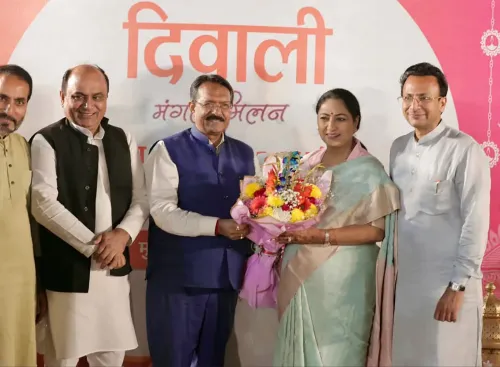
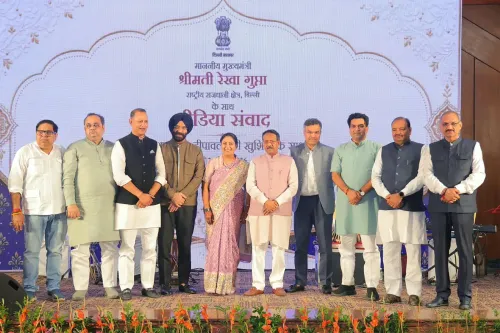
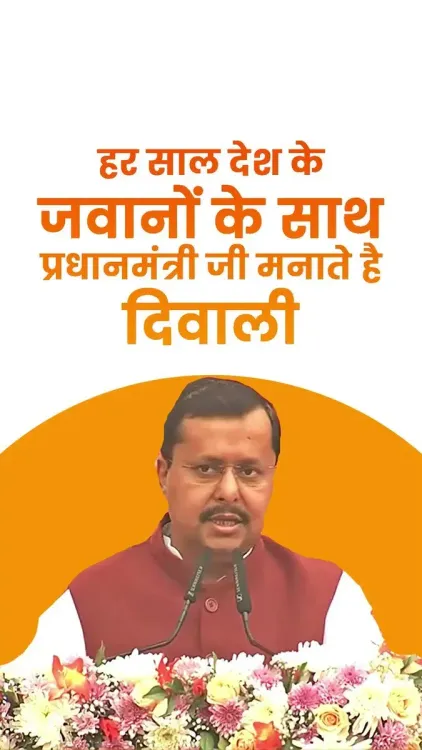
At a Diwali Milan on November 12, 2026, Delhi Chief Minister Rekha Gupta praised PM Narendra Modi's long-standing tradition of celebrating Diwali with border troops, calling it a mark of his leadership priorities over personal celebration.
Key Takeaways
Delhi Chief Minister Rekha Gupta spoke at a Diwali Milan gathering on November 12, 2026 , with PM Modi present.
She quoted BJP National President Nitin Nabin , calling Modi's presence a 'privilege' ( saubhagya ).
Gupta highlighted Modi's practice of spending Diwali with border soldiers rather than at home with family.
The tradition of PM Modi celebrating Diwali with armed forces at forward posts dates back to at least 2014 .
The speech fits a consistent BJP communication pattern linking party leadership to troop welfare and national security.
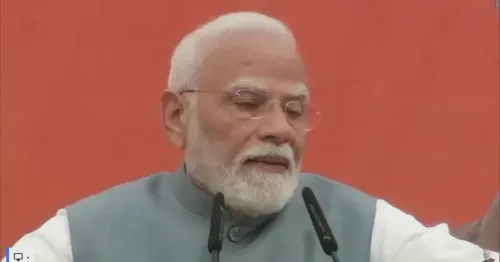
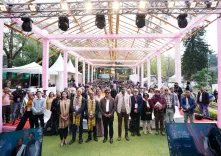
While most Indians light diyas at home with family, Prime Minister Narendra Modi has made a habit of spending Diwali at the border — and Delhi Chief Minister Rekha Gupta made sure the room knew it. Speaking at a Diwali Milan gathering on Thursday, November 12, 2026, Gupta welcomed Modi's presence at the event and saluted what she called a defining leadership choice.
What CM Gupta Said at the Diwali Milan
Quoting BJP's National President Nitin Nabin, Gupta said: 'We are fortunate that Prime Minister Modi is with all of us today at this Diwali Milan gathering.' She then drew a pointed contrast: while ordinary citizens celebrate the festival at home with their families, the Prime Minister chooses to spend it with the soldiers who guard the nation's frontiers. 'Our Prime Minister celebrates Diwali with the jawans who protect our borders,' she said, underscoring the gesture as a mark of his priorities.
Modi's Long-Running Tradition of Diwali at the Border
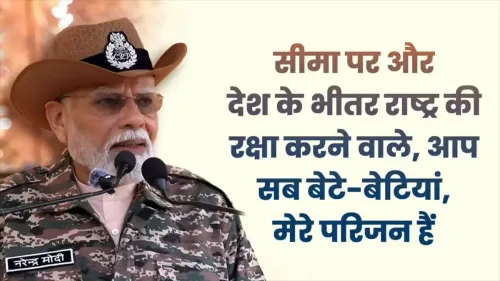
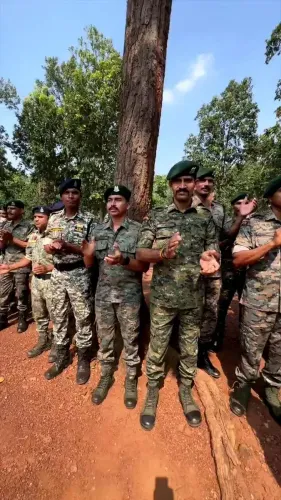
The practice dates back to at least 2014, when Modi first broke from the convention of a capital-based Diwali celebration and headed instead to forward military posts. Since then, he has visited high-altitude deployments and forward locations with armed forces personnel across multiple Diwali cycles — a ritual that has become one of the most photographed fixtures of his calendar. The image of a Prime Minister sharing sweets with soldiers in extreme terrain, rather than attending a formal state reception, has been a consistent element of BJP's communication around national security and troop welfare.
The Political Weight Behind a Festival Gesture
Gatherings like the Diwali Milan — party-linked festive meet-and-greets — serve a dual purpose: community bonding and political messaging. Highlighting Modi's border Diwali visits in this setting reinforces the BJP's broader narrative that links its leadership directly to the welfare and morale of the armed forces. For CM Gupta, framing the Prime Minister's presence at the event as a 'privilege' (saubhagya) also signals Delhi's alignment with the central leadership ahead of the city's ongoing governance agenda.
The soldiers on the frontier will not read the speech. But the message — that the man at the top of the government would rather be with them than anywhere else on Diwali — is exactly the kind of signal that lands long after the festival lights go out.
Point of View
Including CM Gupta, now actively reinforce at festive occasions. By framing it as a matter of personal sacrifice and leadership priority rather than a political event, the party consistently anchors its national-security credentials to an emotionally resonant, non-contestable image. The speech at the Diwali Milan also signals Delhi's BJP unit tightening its alignment with central leadership at a time when the city-state's governance record remains under scrutiny. What makes the messaging effective is precisely its ceremonial wrapper: a festival gathering is a low-stakes, high-visibility venue to remind voters of a value the opposition finds difficult to directly challenge.
NationPress
12 Nov 2026
Frequently Asked Questions
Does PM Modi always celebrate Diwali with soldiers?
PM Narendra Modi has maintained a practice since at least 2014 of spending Diwali with armed forces personnel at border and forward locations rather than at a formal state event, though specific details of the 2026 visit remain unconfirmed.
What is a Diwali Milan in BJP politics?
A Diwali Milan is a festive gathering organised by BJP at which party leaders, workers, and supporters meet to celebrate Diwali together and reinforce political community bonds.
What did Delhi CM Rekha Gupta say about PM Modi at Diwali Milan?
CM Rekha Gupta said it was a 'saubhagya' (privilege) to have PM Modi present, and praised his tradition of celebrating Diwali with border troops who protect the nation rather than with his own family.
Why does PM Modi spend Diwali at the border?
PM Modi has described the visits as a way to honour soldiers who cannot be home for the festival, and the practice has become a recurring symbol of his government's emphasis on armed forces welfare and national security.