CM Rekha Gupta Launches 'Main Bhi Yamuna Prahari' App at DU
Synopsis
Delhi CM Rekha Gupta launched the 'Main Bhi Yamuna Prahari' programme and app at Delhi University on 1 October 2026, mobilising students from 30 colleges under the Clean Yamuna Mission. Registrations opened the same day.
Key Takeaways
Delhi CM Rekha Gupta launched the Main Bhi Yamuna Prahari app at the Delhi University Sports Complex on 1 October 2026 .
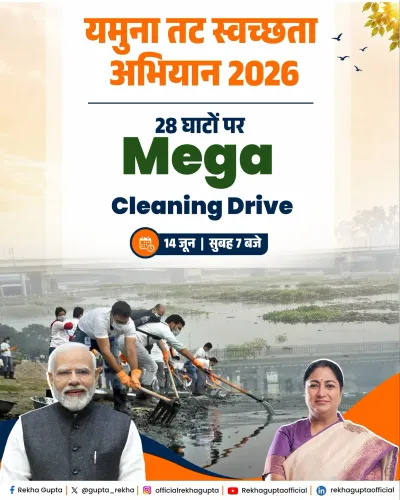
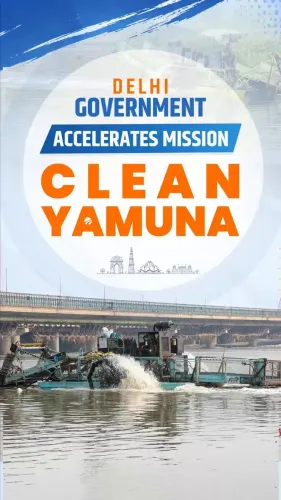
The initiative is part of the Seva Sankalp Abhiyan and is linked to the broader Clean Yamuna Mission .
Students from 30 Delhi University colleges are being targeted for enrolment as 'Yamuna Praharis'.
App registrations opened on 1 October 2026 ; users can download, register, and participate via the platform.
Union Minister of State Harsh Malhotra , Cabinet minister Pravesh Sahib Singh , and MLA Surya Prakash Khatri were present at the launch.
The programme uses a peer-mobilisation model — each participant is expected to inspire more students to join.
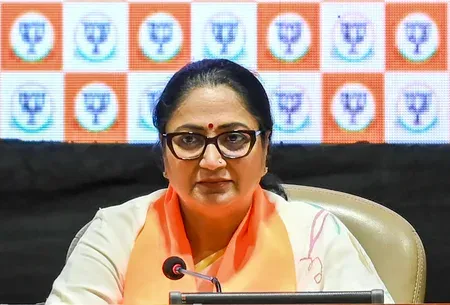
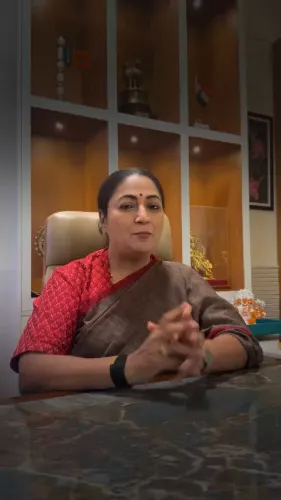
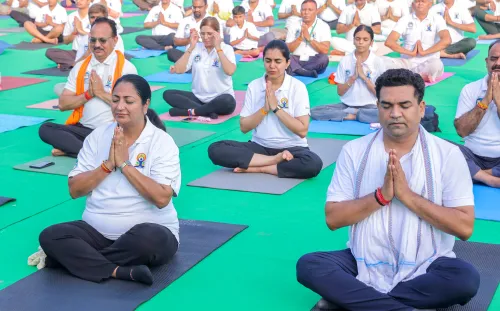
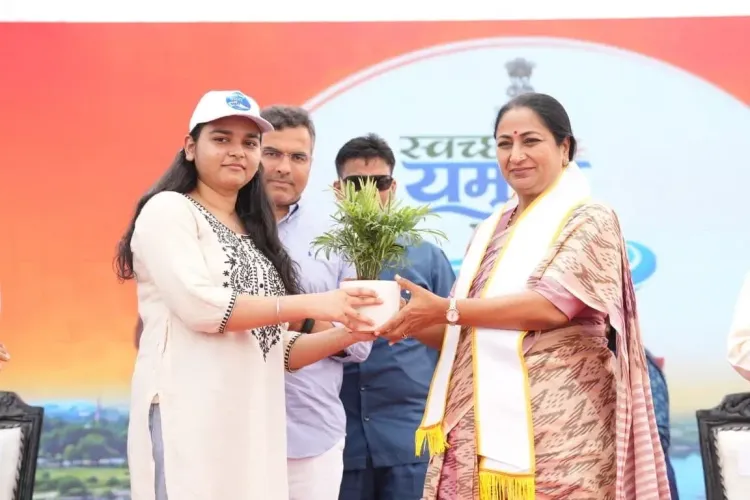
Thousands of students from 30 colleges of Delhi University are about to become guardians of the Yamuna — and it starts with an app. Delhi Chief Minister Rekha Gupta on Thursday, 1 October 2026, launched the 'Main Bhi Yamuna Prahari' ('I too am a Yamuna Guardian') programme and its dedicated mobile application at the Delhi University Sports Complex, marking a citizen-driven push under the Seva Sankalp Abhiyan to clean the river that has long defined — and long been neglected by — the capital.
Standing alongside BJP Delhi president and Union Minister of State Harsh Malhotra, Cabinet colleague Pravesh Sahib Singh, and MLA Surya Prakash Khatri, the Chief Minister declared registrations open on the app from 1 October, personally calling on Delhi's youth to download it, register, and join the Clean Yamuna Mission as 'Yamuna Praharis' — sentinels pledged to the river's restoration.
What the 'Yamuna Prahari' App Asks Students to Do
The app is the operational spine of the initiative. Gupta framed participation in cascading terms: 'One youth joins, and another gets inspired. One college joins, and the entire campus follows.' The idea is peer-driven mobilisation — turning individual sign-ups into a campus-wide movement across Delhi University's sprawling network of colleges, which collectively enroll hundreds of thousands of students.
The programme falls under the Seva Sankalp Abhiyan, a BJP-aligned outreach framework that channels government schemes through community and youth participation. By anchoring the Yamuna drive inside a university sports complex and targeting college campuses, the Delhi government is betting that grassroots youth energy can do what decades of top-down river-cleaning drives have not.
Delhi's Yamuna Problem — and Why Youth Mobilisation Is Being Tried Now
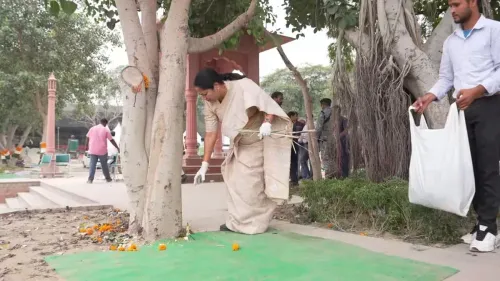
The Yamuna's pollution crisis in Delhi is decades old and politically charged. The river, venerated as Maa Yamuna (Mother Yamuna), flows through the capital carrying a disproportionate share of the country's most toxic industrial and domestic effluents. Successive governments — at both the state and central levels — have launched clean-up missions with limited lasting impact, making this a potent electoral and civic flashpoint.
The Gupta government's pivot toward a youth-and-app-based model signals a deliberate strategy: build visible, measurable public participation as proof of political will, while potentially generating citizen-sourced data on pollution hotspots through the platform.
With 30 Delhi University colleges onboarded at launch and registrations live from today, the next benchmark will be how many students actually activate on the app — and whether that digital energy translates into on-ground action along the riverbank. The Yamuna is watching.
Point of View
Socially active voters becoming visible stakeholders in a cause the BJP can now credibly claim ownership of. The app-and-registration model also creates a measurable participation metric, useful both for programme accountability and for political messaging ahead of future electoral cycles. Whether the digital momentum converts into sustained riverbank action will determine if this becomes a genuine environmental inflection point or another well-branded clean-river announcement.
NationPress
1 Oct 2026
Frequently Asked Questions
What is the 'Main Bhi Yamuna Prahari' programme?
'Main Bhi Yamuna Prahari' is a citizen-engagement initiative launched by the Delhi government under the Seva Sankalp Abhiyan, inviting Delhi University students to register via a dedicated app and participate in the Clean Yamuna Mission as volunteer river guardians.
How can I register for the Yamuna Prahari app?
Registrations on the Yamuna Prahari app opened on 1 October 2026. Users can download the app, register, and enrol as 'Yamuna Praharis' to join the Clean Yamuna Mission.
Who launched the Yamuna Prahari programme?
Delhi Chief Minister Rekha Gupta launched the programme alongside BJP Delhi president and Union Minister of State Harsh Malhotra, Cabinet minister Pravesh Sahib Singh, and MLA Surya Prakash Khatri at the Delhi University Sports Complex.
How many colleges are part of the Yamuna Prahari initiative?
At launch, 30 colleges of Delhi University were brought under the initiative, with thousands of students expected to register on the app.
What is the Seva Sankalp Abhiyan?
Seva Sankalp Abhiyan is a BJP-affiliated outreach framework that channels government and community programmes through organised public participation, under which the Yamuna Prahari initiative has been launched.