CM Rekha Gupta Renews Delhi's Biodiversity Pledge
Synopsis
Delhi Chief Minister Rekha Gupta marked the International Day for Biological Diversity on 22 May 2026 by renewing the capital's commitment to tree preservation, water body revival and species protection, anchoring Delhi within India's broader national biodiversity policy framework.
Key Takeaways
Delhi CM Rekha Gupta posted a biodiversity pledge on 22 May 2026 , the International Day for Biological Diversity .
The post called for preserving trees, reviving water bodies and protecting species for future generations.
India has been a party to the Convention on Biological Diversity since 1994 and adopted its National Biodiversity Action Plan in 2008 .
Delhi manages biodiversity through ridge forests, wetlands and green infrastructure under heavy urbanisation pressure.
Possible follow-up actions include environment department announcements and budget allocations for urban greening and wetland projects.
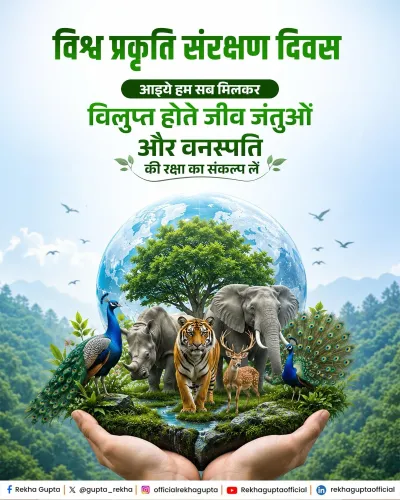
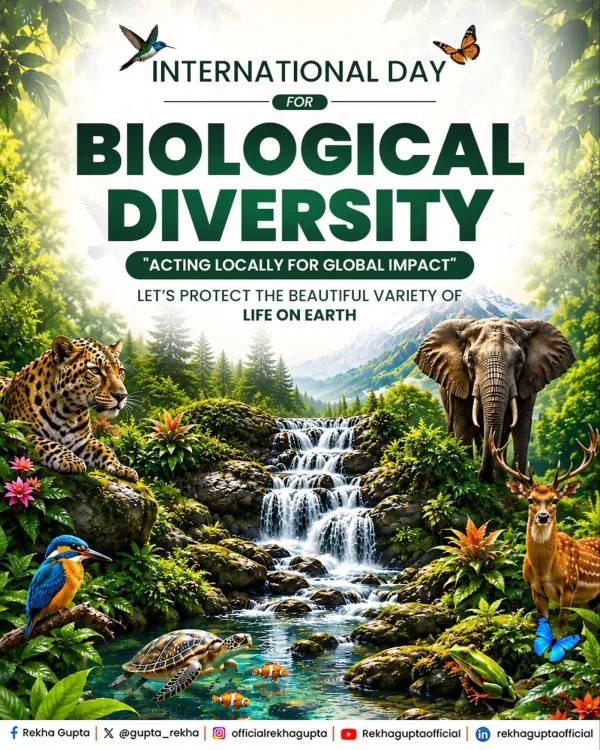
Delhi Chief Minister Rekha Gupta on Friday, 22 May 2026, marked the International Day for Biological Diversity by reaffirming the capital's commitment to protecting the balance between nature and urban life, calling for the preservation of trees, revival of water bodies, and protection of species for future generations.
Context
The International Day for Biological Diversity, observed every year on 22 May, is a United Nations observance designed to raise global awareness about biodiversity loss and the urgent need for conservation. CM Gupta's post pledged that Delhi would renew its commitment to protecting 'the delicate balance between nature and urban life,' with every tree preserved and every water body revived contributing to 'a healthier, greener and more liveable capital for future generations.'
Delhi, as the National Capital Territory, manages urban biodiversity through its ridge forests, wetlands, and green infrastructure — all under constant pressure from one of the world's most densely populated urban environments.
Policy Backdrop
India became a party to the Convention on Biological Diversity (CBD) in 1994, two years after the treaty was opened for signature at the Rio Earth Summit of 1992. The country adopted its National Biodiversity Action Plan in 2008, which translated CBD commitments into domestic programmes, including components focused on urban biodiversity.
Delhi has participated in national urban greening missions and wetland conservation guidelines issued by the Ministry of Environment, Forest and Climate Change from 2015 onward. CM Gupta's statement situates the capital within this multi-level policy framework, where city governments are expected to translate national biodiversity targets into local action on green cover and water bodies.
Stakeholders and Impact
Delhi's residents — numbering over 2 crore — stand as the primary stakeholders in any biodiversity initiative in the capital. Urban conservation groups working on ridge forest protection, Yamuna floodplain restoration, and wetland revival are among the non-governmental actors closely watching official commitments on this front.
Rapid urbanisation has long placed ecological systems in Delhi under stress, making statements of political will from the city's top executive significant for setting the agenda within the environment department and for budget allocations in the months ahead.
What's Next
Concrete follow-through could come in the form of announcements within the Delhi environment department's action plan or in forthcoming budget allocations for tree preservation and wetland revival projects. Progress is typically tracked through annual State of Environment reports and reviews linked to India's updated National Biodiversity Strategy.
With the UN's global biodiversity framework setting increasingly specific targets for member states, state and city-level governments in India face growing expectations to move from pledges to measurable outcomes on urban ecological restoration.
Point of View
It carries political weight as a public commitment from the capital's top executive — one that urban conservation groups and opposition alike will use as a benchmark. The statement also reflects the BJP-led Delhi government's effort to build an environmental governance narrative in a city long associated with air and water pollution crises. Whether the pledge translates into measurable action in the environment department's forthcoming plans will determine its lasting policy significance.
NationPress
6 Oct 2026
Frequently Asked Questions
What did Delhi CM Rekha Gupta say on International Biodiversity Day 2026?
CM Rekha Gupta posted on 22 May 2026 that Delhi renews its commitment to protecting the balance between nature and urban life, calling for tree preservation, water body revival and species protection for future generations.
When is the International Day for Biological Diversity?
The International Day for Biological Diversity is observed every year on 22 May , as designated by the United Nations to raise awareness about biodiversity loss and conservation.
What is India's policy on urban biodiversity?
India adopted its National Biodiversity Action Plan in 2008 following its accession to the Convention on Biological Diversity in 1994 , with urban biodiversity components integrated into national and sub-national programmes.
How does Delhi manage its urban biodiversity?
Delhi manages urban biodiversity through its ridge forests, wetlands and green infrastructure, operating under national urban greening missions and wetland conservation guidelines issued by the Ministry of Environment, Forest and Climate Change .
What are the next steps for Delhi's biodiversity commitments?
Possible next steps include announcements in the Delhi environment department's action plan and budget allocations for tree preservation and wetland revival, with progress trackable through annual State of Environment reports.