CM Rekha Gupta marks Ram Mandir bhoomi pujan anniversary
Synopsis
Delhi Chief Minister Rekha Gupta marked the sixth anniversary of the Ram Mandir bhoomi pujan on 5 August 2026, invoking Ram Lalla's decades in a makeshift tent, the Supreme Court's 2019 verdict, and calling Shri Ram the soul of India.
Key Takeaways
Delhi CM Rekha Gupta posted a tribute on 5 August 2026 marking the anniversary of the Ram Mandir bhoomi pujan.
She referenced Ram Lalla's years in a temporary tent structure as a symbol of the long devotional wait.
Prime Minister Narendra Modi performed the bhoomi pujan at Ayodhya on 5 August 2020 , following the Supreme Court's November 2019 Ayodhya title-suit verdict.
Gupta described Shri Ram as 'our deity, our values, and the soul of India.' Annual BJP commemorations of this date frame the Ram Temple as a convergence of judicial, devotional, and political effort.
Five years ago, a centuries-old wait ended in Ayodhya — and Delhi Chief Minister Rekha Gupta marked the anniversary of that moment on 5 August 2026 with a post steeped in devotion and national pride.
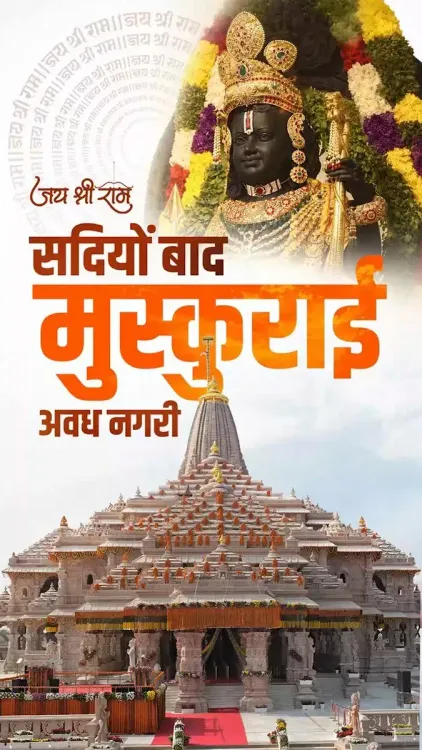
In her Hindi message, the Chief Minister wrote: '5 अगस्त का स्मरण होते ही मन श्रद्धा और कृतज्ञता से भर उठता है' — 'The mere remembrance of 5 August fills the heart with reverence and gratitude.' She invoked the decades Ram Lalla spent in a makeshift tent, the penance of saints, the dedication of Ram devotees, and the unbroken faith of crores of worshippers finally finding form.
The day that changed Ayodhya — and the national conversation
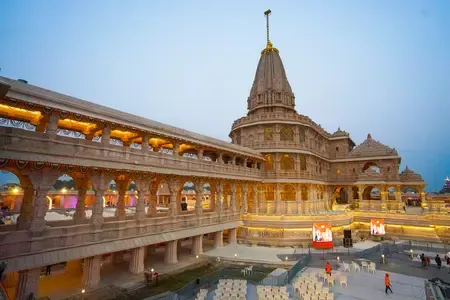
On 5 August 2020, Prime Minister Narendra Modi performed the bhoomi pujan — the ground-breaking ceremony — for the Ram Mandir at Ayodhya, setting construction in motion on the site long regarded as the birthplace of Shri Ram. The moment followed the Supreme Court's landmark November 2019 verdict in the Ayodhya title suit, which cleared the legal path after a dispute that had stretched across generations.
For decades before that ruling, the idol of Ram Lalla — the infant form of Shri Ram — had been housed in a temporary tent structure, a detail that became a defining symbol of the long wait. Gupta's post directly references that image: 'वर्षों तक टाट के तंबू में विराजमान रामलला' — 'Ram Lalla, who resided for years in a tent of sackcloth.'
Ram as 'the soul of India' — the framing Gupta chose
Beyond the historical marker, the Chief Minister's words carry a deliberate cultural register. She described Shri Ram as 'हमारे आराध्य, हमारे संस्कार और भारत की आत्मा' — 'our deity, our values, and the soul of India' — and said his ideals would continue to inspire service, harmony, duty, and patriotism.
The framing is consistent with how BJP leaders have marked this date each year: positioning the Ram Temple not merely as a religious milestone but as a civilisational resolution — the convergence of judicial process, popular faith, and political will. For the party, 5 August has become an annual occasion to reinforce that narrative at every level of government, from the Centre to state capitals.
As the anniversary enters its sixth year, the question is no longer about the temple's foundation — it is about what the completed structure means to the millions who waited, and what its place in public life will look like going forward.
Point of View
She connects personal devotion to a decades-long political project that the party credits itself with resolving. The language of 'soul of India' and 'civilisational values' signals that the temple is being woven into a broader BJP narrative of cultural restoration. As the temple itself becomes a functioning pilgrimage site, these annual commemorations will increasingly serve as a barometer of how the party balances governance with cultural messaging.
NationPress
19 Sept 2026
Frequently Asked Questions
Why is 5 August significant for the Ram Mandir?
5 August 2020 was the date Prime Minister Narendra Modi performed the bhoomi pujan — the ground-breaking ceremony — for the Ram Mandir at Ayodhya, marking the formal start of construction on the site regarded as Shri Ram's birthplace.
What did Delhi CM Rekha Gupta say about Ram Mandir?
Rekha Gupta said the memory of 5 August fills the heart with reverence and gratitude, honoured Ram Lalla's decades in a makeshift tent, and called Shri Ram 'the soul of India' and a source of inspiration for service, harmony, duty, and patriotism.
What was the Supreme Court's role in the Ram Mandir?
The Supreme Court of India delivered its verdict in the Ayodhya title suit in November 2019 , clearing the legal path for temple construction on the disputed site after a dispute spanning generations.
Why do BJP leaders mark 5 August every year?
BJP leaders use the 5 August anniversary to frame the Ram Temple as a resolution of a long-standing cultural and religious demand — presenting it as the outcome of judicial process, popular faith, and the party's sustained political commitment to the Ram Janmabhoomi cause.