CM Rekha Gupta Visits Chawri Bazar, Reviews Relief Ops
Synopsis
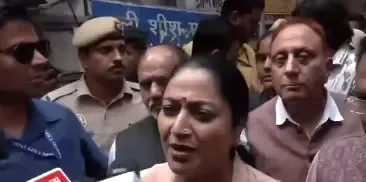
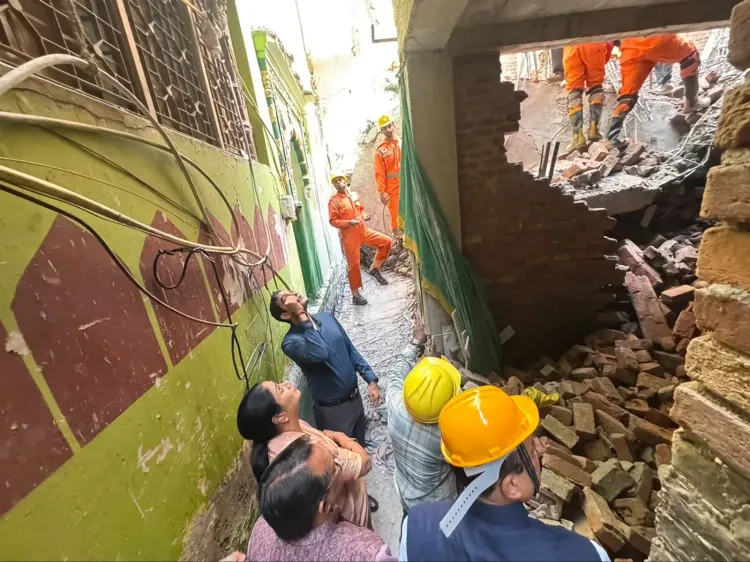
Delhi Chief Minister Rekha Gupta visited Chawri Bazar on November 5 to review ongoing rescue and relief operations, directing all agencies to coordinate closely and ensure prompt medical care for those affected by the incident in the historic Old Delhi market area.
Key Takeaways
Delhi CM Rekha Gupta visited Chawri Bazar on November 5, 2026 to personally oversee rescue and relief operations.
She met officials and rescue teams on-site and directed all agencies to work in close coordination.
Gupta ordered prompt medical care for the injured and necessary assistance for all affected persons.
Chawri Bazar is a dense, historic wholesale market in Old Delhi with a documented history of emergency incidents due to its narrow lanes and old structures.
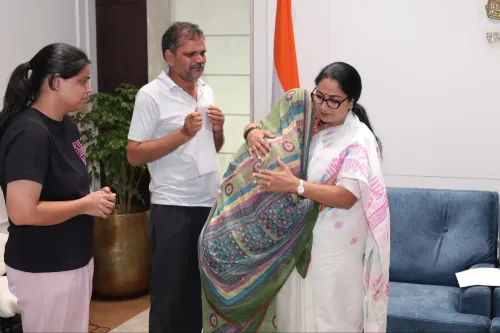
The Chief Minister expressed solidarity with affected families and pledged full state support.
Specific details of the incident's cause and casualty figures are still emerging.
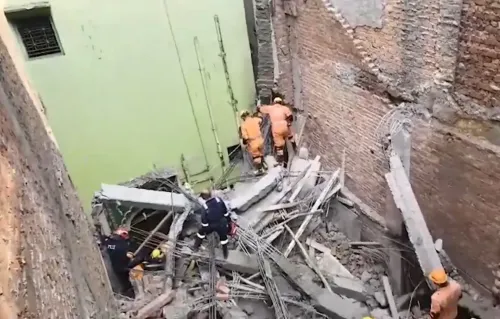
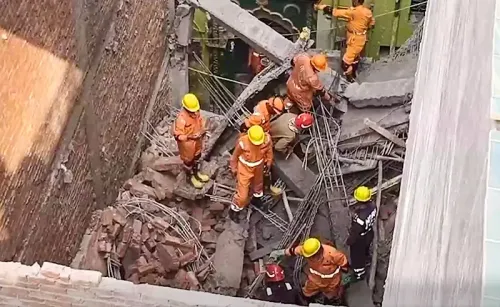
Delhi Chief Minister Rekha Gupta arrived at Chawri Bazar on Thursday, November 5 to personally oversee rescue and relief operations following an incident at the historic Old Delhi market — a signal that the state administration is treating the emergency with the highest urgency.
On the ground at Chawri Bazar
The Chief Minister walked the site, speaking directly to officials and rescue teams deployed at the location. She issued clear directions: all agencies must operate in close coordination, injured persons must receive prompt medical attention, and every form of necessary assistance must reach those affected. No bureaucratic lag, no siloed responses — her instructions left little room for ambiguity.
Chawri Bazar, nestled in the dense lanes of Old Delhi, is one of the capital's most storied wholesale market corridors — historically associated with the paper and hardware trade, and characterised by narrow bylanes and tightly packed old buildings. Emergency response in such an area presents distinct logistical challenges: access for heavy rescue equipment is limited, and the density of structures can complicate both rescue work and crowd management.
A pattern written into Old Delhi's streets
Markets in Old Delhi carry a long and sobering record of fires, structural incidents and crowd-related emergencies — a consequence of colonial-era construction, ad hoc expansions, and streets built for foot traffic, not fire tenders. When an incident strikes here, coordination between multiple agencies — police, fire services, civil defence and medical teams — is not optional; it is the difference between a managed crisis and a cascade.
Chief Ministers visiting such sites is standard protocol under India's state disaster management framework, but the visible, on-ground presence also serves a practical purpose: it accelerates inter-agency decision-making and signals to affected residents that relief is being treated as a state priority, not a desk matter.
What the Chief Minister said
Gupta posted directly from the site, stating: 'My thoughts are with the affected families. We stand firmly with them and will extend every possible support.' The message was deliberate — solemn acknowledgment first, operational assurance second. Full details of the incident's cause, the number of people affected, and the outcomes of the directives issued are still emerging.
The next critical markers are whether specific compensation packages or safety audit orders follow — and whether this incident triggers a broader structural review of emergency preparedness across Old Delhi's high-risk market corridors.
Point of View
In-person crisis management as both an administrative tool and a political signal — demonstrating executive accountability at the ground level. For a Chief Minister navigating the structural vulnerabilities of Old Delhi, where ageing infrastructure routinely amplifies the scale of urban emergencies, this response also underlines the gap between Delhi's historic commercial zones and modern safety standards. The real test of this intervention is whether it produces durable follow-through — safety audits, structural compliance enforcement, compensation frameworks — rather than remaining a one-day optic. If Gupta converts visible presence into lasting policy action, it could set a credible precedent for urban emergency preparedness reform in the capital.
NationPress
5 Nov 2026
Frequently Asked Questions
What happened at Chawri Bazar in Delhi?
An incident at Chawri Bazar , a historic wholesale market in Old Delhi , triggered rescue and relief operations on November 5, 2026 . The specific cause and full details are still emerging.
Why did Delhi CM Rekha Gupta visit Chawri Bazar?
Delhi Chief Minister Rekha Gupta visited Chawri Bazar to personally review ongoing rescue and relief operations, speak to officials and rescue teams, and direct all agencies to work in close coordination.
What instructions did CM Rekha Gupta give at Chawri Bazar?
She directed all agencies to coordinate closely, ensure prompt medical care for the injured, and extend all necessary assistance to those affected by the incident.
Is Chawri Bazar prone to emergencies?
Yes. Chawri Bazar and other markets in Old Delhi have a documented history of fires, structural incidents and crowd-related emergencies due to their narrow lanes, dense old buildings and limited access for emergency vehicles.
Will affected families receive compensation after the Chawri Bazar incident?
CM Rekha Gupta pledged that every possible support would be extended to affected families. Formal compensation details and any safety audit announcements are expected to follow as the situation develops.