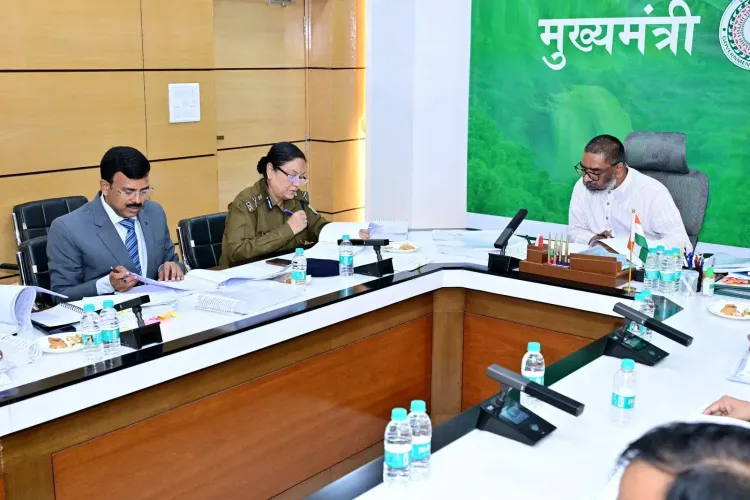
CM Hemant Soren Chairs Jharkhand Sentence Revision Board Meet
Synopsis
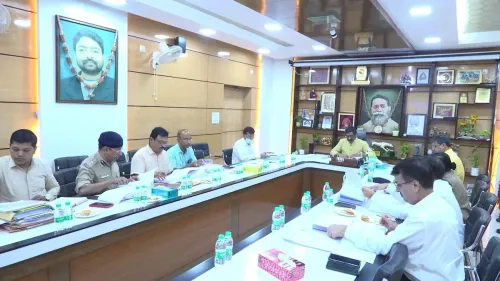
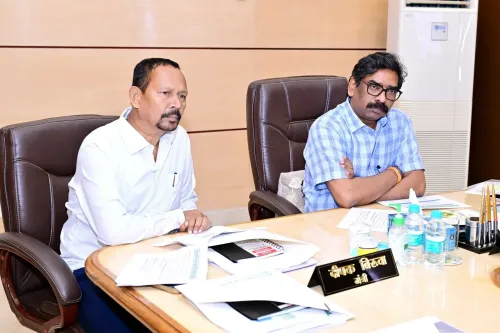
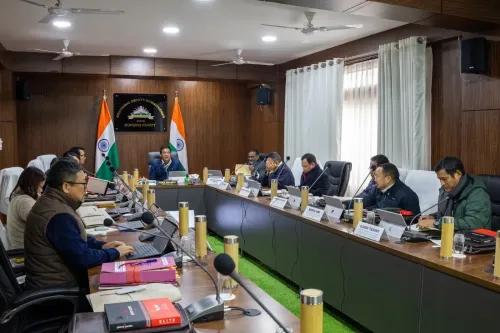
Jharkhand CM Hemant Soren chaired the State Sentence Revision Board on November 20, 2026, approving select prisoner releases and directing NGOs and counsellors to provide mental health, rehabilitation, and medical support for those being freed.
Key Takeaways
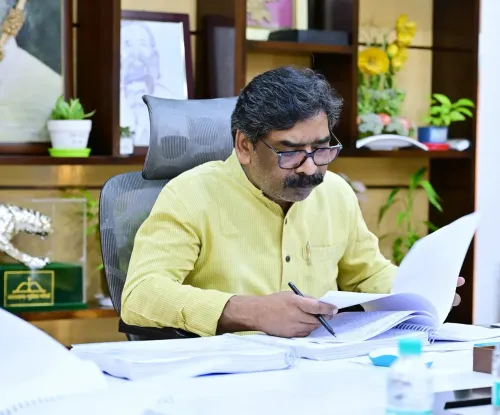
Hemant Soren chaired the Jharkhand State Sentence Revision Board meeting on November 20, 2026 .
The board agreed on the release of select prisoners after in-depth deliberation on release-related cases.
Directives were issued to engage counsellors and voluntary organisations (NGOs) for post-release support.
The mandate explicitly covers mental health support, social rehabilitation, and medical treatment for released inmates.
The orders aim to ensure honourable reintegration of freed prisoners into society, not just administrative discharge.
Jharkhand Chief Minister Hemant Soren presided over a meeting of the Jharkhand State Sentence Revision Board on Friday, November 20, 2026, where deliberations on prisoner release cases yielded concrete directives — including agreement on the release of select inmates and a structured plan to reintegrate them into society with dignity.
What the Board Decided: Release and Rehabilitation Together
Soren announced that the board, after 'in-depth deliberation on release-related matters' (rihāī se sambandhit māmlon par gahin vicār-vimarsh), reached consensus on freeing certain prisoners. Crucially, the release was not framed as a one-time administrative act — the directives explicitly tied freedom to a support structure.
The board ordered that counsellors and voluntary organisations (NGOs) be engaged to assist those being released. The mandate covers mental health support, rehabilitation, and honourable reintegration into society, along with arrangements for any necessary medical treatment.
Why a Sentence Revision Board Matters in Jharkhand
India's states operate sentence review boards under their respective prison rules to periodically assess long-serving convicts — weighing conduct, age, health, and time served — for conditional or premature release. The boards function as a safety valve: they ease prison overcrowding while also giving the criminal justice system a formal channel for mercy and reform.
Jharkhand, like many states, has grappled with prison population pressures. Administrative directives channelling released prisoners toward NGO-led counselling and medical care represent the rehabilitation end of that equation — the part that determines whether a release actually reduces recidivism or merely shuffles a problem outside prison walls.
The Reintegration Directive: Counsellors, NGOs, and Medical Care
The explicit instruction to loop in counsellors and voluntary organisations signals an intent to move beyond mere paperwork releases. Mental health support — specifically named in the board's directives — reflects a growing acknowledgement in Indian prison administration that incarceration leaves psychological marks that, left unaddressed, undermine any reintegration effort.
The addition of medical treatment arrangements suggests the board is also attending to the physical condition of those being freed — a population that is often older, with chronic ailments accumulated over long sentences.
Point of View
But as a reintegration responsibility. By naming mental health and NGO engagement as non-negotiable conditions, Jharkhand is borrowing from a playbook more common in higher-income states, testing whether welfare-linked releases can reduce recidivism. The political optics are also deliberate: for a JMM government that has consistently positioned itself around social justice, extending state care to prisoners signals an inclusive governance narrative ahead of ongoing administrative scrutiny.
NationPress
20 Nov 2026
Frequently Asked Questions
What is the Jharkhand State Sentence Revision Board?
The Jharkhand State Sentence Revision Board is a state-level body that reviews the sentences of long-serving prisoners and decides on premature or conditional releases based on conduct, health, age, and other factors under applicable prison rules.
What did the November 20 Sentence Revision Board meeting decide?
The board, chaired by CM Hemant Soren, reached consensus on releasing certain prisoners and issued directives mandating NGO and counsellor support, mental health care, and medical treatment arrangements for those being freed.
Why is rehabilitation included in a prisoner release order in Jharkhand?
The directives reflect an intent to ensure released prisoners can reintegrate into society with dignity, addressing mental health and medical needs that often go unattended after long incarceration — and to reduce the risk of re-offending.
What role will NGOs play in Jharkhand prisoner rehabilitation?
Voluntary organisations and counsellors are to be engaged to provide post-release support — covering mental health counselling, social reintegration guidance, and coordination of any necessary medical treatment for freed inmates.
How does Jharkhand's sentence revision process compare to other Indian states?
All Indian states operate sentence review boards under prison rules to assess long-serving convicts for early release. Jharkhand's explicit inclusion of NGO-led mental health and rehabilitation support in release conditions is consistent with evolving best practices in Indian prison administration.