CM Hemant Soren Champions Adivasi Identity, Vows to Protect Marang Buru
Synopsis
Jharkhand CM Hemant Soren declared Adivasi identity inseparable from nature-worship and explicitly rejected attempts to view it through mainstream religious lenses, vowing to protect the sacred deity Marang Buru and preserve tribal heritage for future generations.
Key Takeaways
Hemant Soren posted on 5 November 2026 asserting that Adivasi faith is rooted in nature and distinct from mainstream religions.
He specifically identified Marang Buru — the supreme Santhal deity — as a symbol of Adivasi identity that must be protected.
Soren argued that Adivasi deities are not represented in human form, underscoring a theological distinction from other religions.
The post carries forward long-standing JMM and Adivasi demands for recognition of a separate Sarna religious code in the Census.
Jharkhand was created in 2000 specifically to protect tribal self-governance and cultural identity — the political lineage behind this message.
Soren called on Adivasi communities to pass their nature-centric heritage on to coming generations, framing it as an urgent inter-generational responsibility.
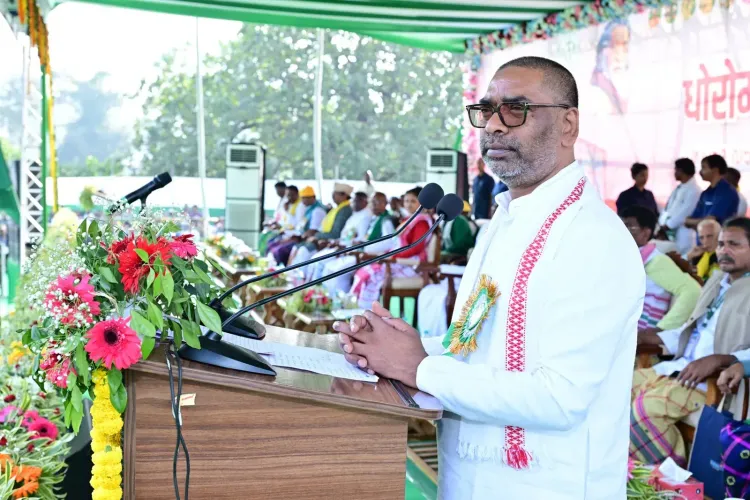
They are the earth's oldest people — and Jharkhand Chief Minister Hemant Soren wants every Adivasi to remember that. On Thursday, 5 November 2026, Soren took to X with a passionate assertion of tribal cultural identity, drawing a sharp line between Adivasi nature-worship and the lens of mainstream religions that he says is being imposed on it.
Posting in Hindi, Soren declared: 'हम आदिवासी इस धरती के सबसे प्राचीन लोगों में से हैं' — 'We Adivasis are among the most ancient people of this earth.' He argued that Adivasi faith, culture, and modes of worship are rooted in nature itself, and that attempts by 'some people' to view that identity through the prism of other religions must be resisted. His closing resolve was unambiguous: 'Our commitment is clear — we must protect Marang Buru, our culture, and our identity.'
What Marang Buru means to Adivasi faith
Marang Buru — literally 'Great Mountain' — is the supreme deity of the Santhal and several other Adivasi traditions centred in Jharkhand. Unlike anthropomorphic gods of many mainstream religions, Marang Buru is not represented in human form; Soren's post specifically underlined this distinction, noting that 'our deities are not confined to a human shape — they have created this universe.' Earth, forests, mountains, rivers, and all living creatures are, in this worldview, expressions of the same divine creation.
That theological specificity is not incidental. Soren has long aligned himself — and the Jharkhand Mukti Morcha (JMM) — with the argument that Adivasi spirituality constitutes a distinct religion, neither Hindu nor Christian. The post is the latest iteration of that stance, urging Adivasi communities to 'understand their roots' and to pass the heritage on to coming generations.
The Sarna code debate simmering underneath
The political subtext here runs deep. Jharkhand was itself carved out of Bihar in 2000 on the back of decades of tribal demands for self-governance and cultural protection — the founding mission of the JMM. But statehood settled only one part of that struggle. Adivasi groups have since pressed for a separate 'Sarna' religious code in the national Census, arguing that lumping tribal faith under 'Hindu' distorts both their identity and their demographic weight.
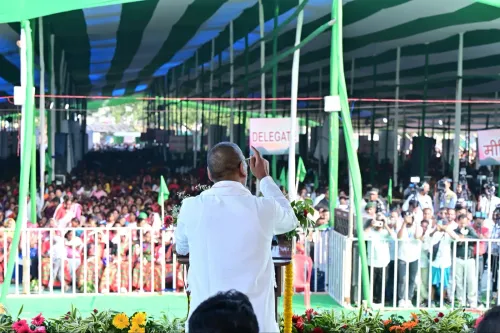
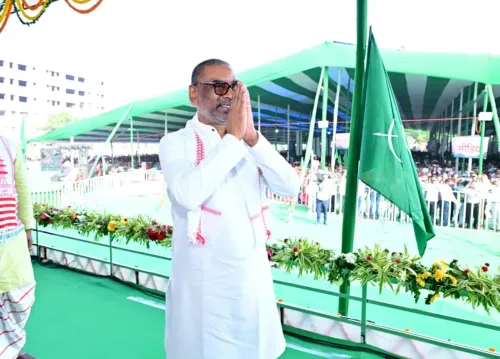
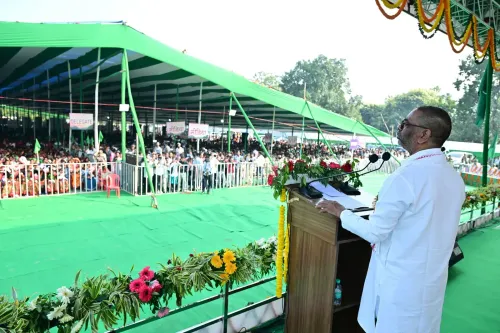
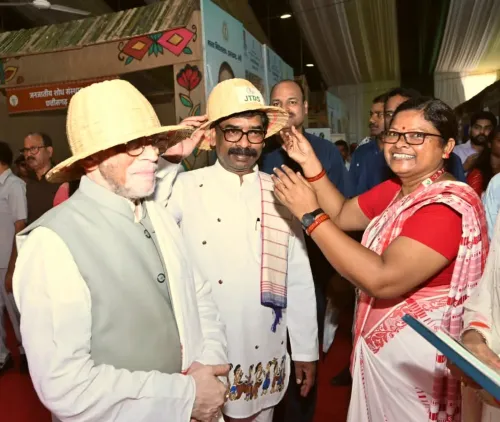
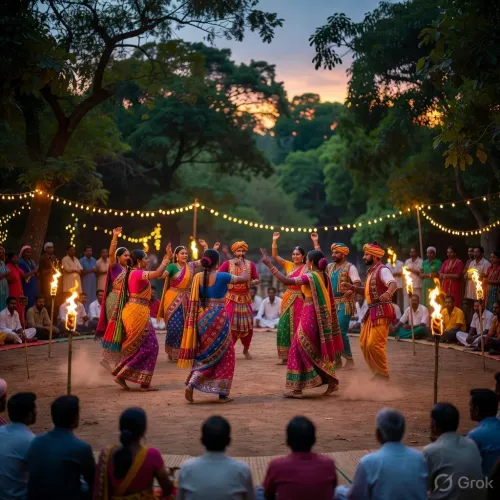
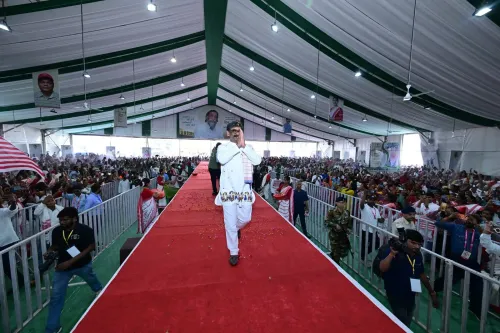
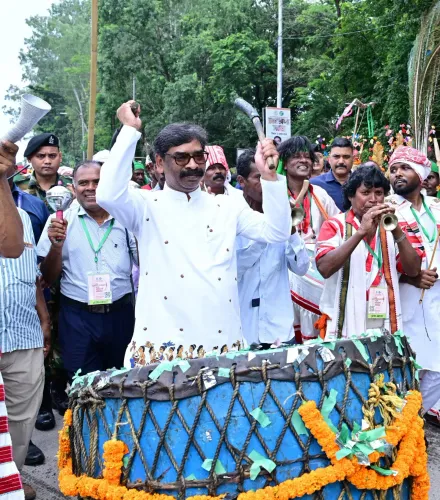
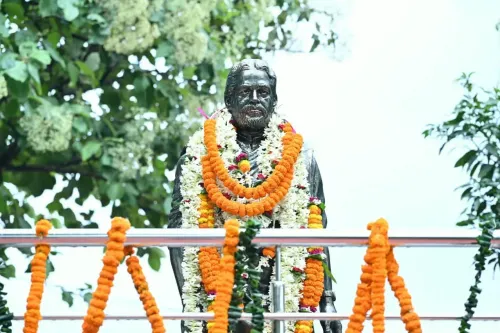
Soren's message — pride in nature-centric philosophy, an explicit rejection of an outside gaze, a call to educate the next generation — maps precisely onto those demands. The JMM has consistently used cultural assertion to consolidate its tribal voter base, and a post this pointed, accompanied by four images, signals that the conversation is being deliberately amplified.
A message aimed at the next generation
What gives this post its particular weight is its inter-generational framing. Soren did not stop at defending Adivasi identity in the present; he called on communities to 'introduce the coming generations to this heritage.' In a state where urbanisation and religious conversion have reshaped village demographics over decades, that is a live and urgent concern for tribal leaders — not a rhetorical flourish.
The Chief Minister's voice on this issue carries institutional heft: as executive president of the JMM and head of the Jharkhand government, any cultural declaration he makes carries the implicit weight of potential policy — from school curricula to state-sponsored cultural festivals to formal representations on Census classification.
Marang Buru, the sacred mountain, is more than a deity in this framing. It is a symbol of everything the Adivasi movement has staked its identity on — and Soren is making sure that symbol does not fade quietly into someone else's religious vocabulary.
Point of View
' he is implicitly advancing the case for a Sarna religious code — a demand that has stalled at the national level but retains enormous mobilising power in Jharkhand. For the JMM, cultural assertion and electoral consolidation have always been the same project; this post continues that tradition. The inter-generational framing, however, signals something more durable — an attempt to institutionalise tribal identity beyond the electoral cycle, potentially into education and state cultural policy.
NationPress
6 Nov 2026
Frequently Asked Questions
What is Marang Buru and why is it important to Adivasis?
Marang Buru, meaning 'Great Mountain,' is the supreme deity of the Santhal and several other Adivasi communities in Jharkhand. It represents a nature-centric spirituality in which the divine is not depicted in human form but is embodied in the earth, forests, rivers, and all living beings.
What is the Sarna religion code that Adivasis are demanding?
The Sarna code is a proposed separate religious classification in India's Census for Adivasi communities whose faith is rooted in nature worship. Advocates argue that categorising tribal people as 'Hindu' in Census data misrepresents their distinct identity and reduces their recognised demographic presence.
Why did Hemant Soren say Adivasi identity is being viewed through 'other religions' lens?
Soren was referring to longstanding debates over whether Adivasi traditions are a subset of Hinduism or a distinct faith. Both Hindu nationalist groups and Christian missionaries have at different times sought to bring Adivasi communities under their religious umbrella, which tribal rights leaders argue distorts indigenous identity.
What is the Jharkhand Mukti Morcha's position on tribal cultural identity?
The JMM was founded to secure tribal self-governance and statehood, culminating in Jharkhand's creation in 2000. The party has consistently championed the view that Adivasi culture and spirituality are distinct from mainstream Indian religions and deserves separate legal and Census recognition.
Could Soren's statement lead to new policy on tribal culture in Jharkhand?
As Chief Minister and JMM president, Soren's cultural declarations often signal policy direction. Possible follow-up measures include formal state support for a Sarna Census code, integration of Adivasi traditions into school curricula, and state-funded cultural preservation programmes.