CM Hemant Soren Reviews Jharkhand Excise Department Progress
Synopsis
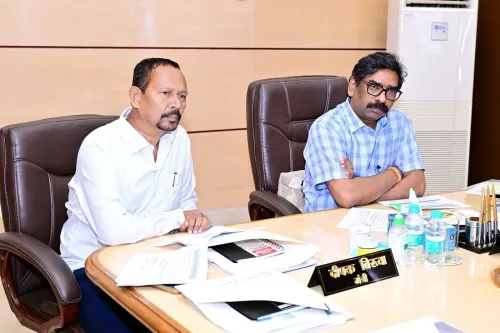
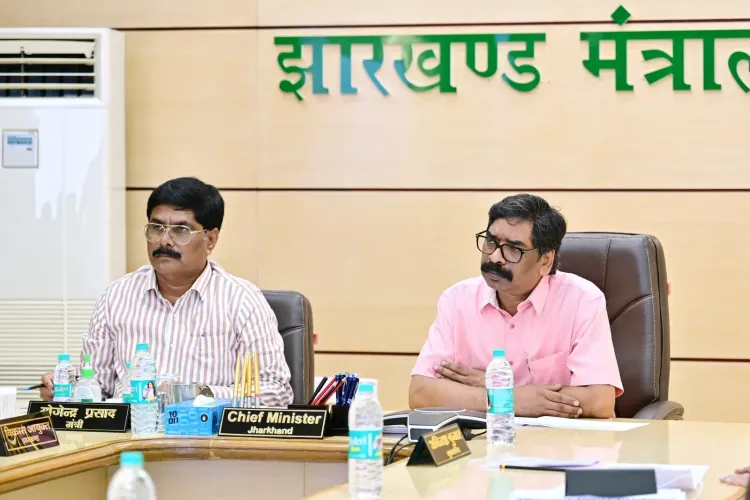
Chief Minister Hemant Soren on 25 July 2026 chaired a high-level review of the Jharkhand Excise and Prohibition Department's updated work progress, issuing necessary directions to officials — signalling continued executive oversight of the state's key non-tax revenue department.
Key Takeaways
Chief Minister Hemant Soren held a high-level review of the Excise and Prohibition Department on 25 July 2026 .
The review focused on the department's updated work progress ( अद्यतन कार्य प्रगति ).
The Chief Minister issued necessary directions to senior officials during the meeting.
The Excise and Prohibition Department oversees liquor licensing, production regulation, prohibition enforcement, and excise revenue in Jharkhand .
Excise is a significant non-tax revenue source for the state, making such reviews a routine governance priority.
Follow-up enforcement drives or policy updates may emerge from the directions issued at this review.
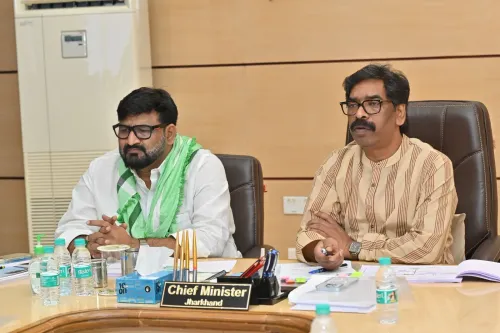
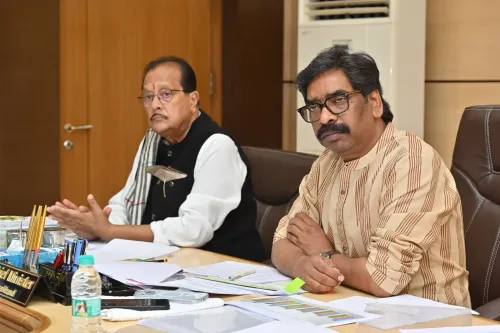
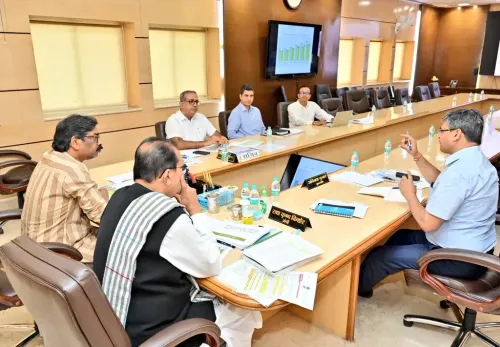
The Chief Minister's Office of Jharkhand announced on Friday, 25 July 2026 that Chief Minister Hemant Soren conducted a high-level review of the updated work progress of the Excise and Prohibition Department, issuing necessary directions to senior officials during the meeting.
The official post stated: 'मुख्यमंत्री श्री Hemant Soren ने उत्पाद एवं मद्य निषेध विभाग के अद्यतन कार्य प्रगति की उच्चस्तरीय समीक्षा कर अधिकारियों को आवश्यक निर्देश दिए' — meaning 'Chief Minister Hemant Soren conducted a high-level review of the updated work progress of the Excise and Prohibition Department and issued necessary instructions to officials.'
Context
The Excise and Prohibition Department of Jharkhand is responsible for liquor licensing, production regulation, prohibition enforcement, and excise revenue collection across the state. Excise revenue constitutes a significant component of state non-tax revenue, making departmental oversight a priority for the executive. Chief Minister Hemant Soren has maintained a practice of periodic high-level reviews of key regulatory departments as part of standard executive governance.
Policy Backdrop
Jharkhand has periodically updated its excise policy framework since 2000, seeking to balance revenue generation with regulatory controls on the liquor trade. Across Indian states, excise departments are routinely subjected to executive scrutiny to monitor revenue targets, address compliance gaps, and plug administrative leakages. Such reviews typically span enforcement performance across multiple districts and assess policy implementation at the ground level.
The state's excise framework operates under the dual mandate of maximising legitimate revenue while enforcing prohibition norms where applicable — a tension that requires consistent monitoring at the highest levels of government.
Stakeholders and Impact
The primary stakeholders in this review include senior Excise and Prohibition Department officials, district-level excise officers, and licensed liquor traders operating under the state's regulatory framework. Directions issued by the Chief Minister at such reviews typically cascade into enforcement priorities and administrative targets for field officers. Compliance-focused outcomes from such meetings can affect the operating environment for liquor licensees across Jharkhand's districts.
Citizens in areas where prohibition enforcement is active are also indirect stakeholders, as the department's efficiency directly impacts the effectiveness of such measures on the ground.
What's Next
Observers will watch for any follow-up notifications from the Excise and Prohibition Department detailing new enforcement drives, revised licensing norms, or updated revenue targets stemming from the Chief Minister's directions. Any changes to the excise policy framework or departmental structure are likely to surface in the next state budget session or through official gazette notifications. The review signals continued executive attention to departmental performance as the state government monitors non-tax revenue streams.
Point of View
Particularly around revenue-generating bodies. For a state like Jharkhand, where excise receipts are a meaningful contributor to non-tax revenue, such reviews carry fiscal as well as regulatory weight. The involvement of the Chief Minister directly — rather than delegation to a minister or secretary — underscores the political salience of excise governance in the state. Watchers of Jharkhand politics will track whether the directions issued translate into measurable enforcement or revenue outcomes in the months ahead.
NationPress
24 Jul 2026
Frequently Asked Questions
Why did CM Hemant Soren review the Excise and Prohibition Department?
CM Hemant Soren conducted the review to assess the updated work progress of the Excise and Prohibition Department and issue necessary directions to officials, as part of routine executive oversight of a key state revenue and regulatory body.
What does the Jharkhand Excise and Prohibition Department do?
The Jharkhand Excise and Prohibition Department is responsible for liquor licensing, production regulation, enforcement of prohibition norms, and excise revenue collection across the state.
When did CM Soren hold the Excise Department review?
The high-level review was held on 25 July 2026 , as announced by the Chief Minister's Office of Jharkhand on X.
What is the significance of excise revenue for Jharkhand?
Excise revenue is a significant non-tax revenue source for Jharkhand, making departmental performance and compliance a priority for the state government's fiscal planning.
What happens after a Chief Minister's departmental review in India?
After such reviews, departments typically receive directives on enforcement priorities, revenue targets, or administrative reforms, which may be followed by policy notifications, enforcement drives, or updates in the state budget session.