CM Hemant Soren Reviews Jharkhand Finance Department
Synopsis
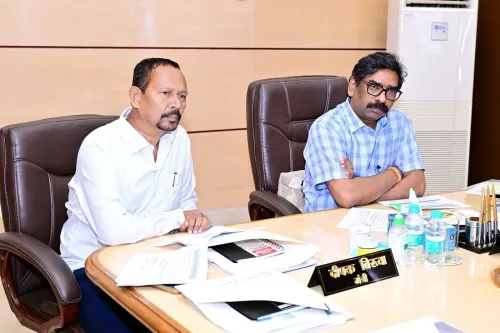
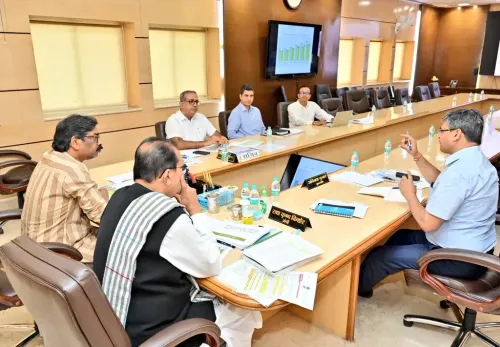
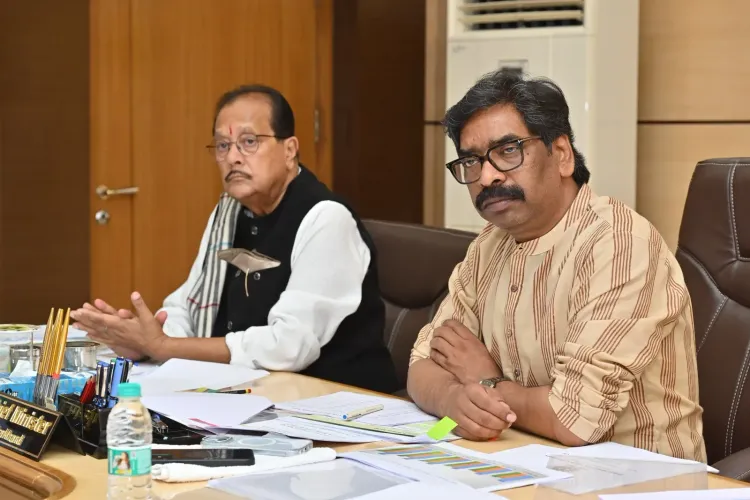
Chief Minister Hemant Soren on 25 May 2026 chaired a review meeting with Jharkhand Finance and Commercial Tax Department officials, examining state revenue collection, budget implementation, and the progress of departmental schemes and development works.
Key Takeaways
CM Hemant Soren chaired a review meeting with Finance and Commercial Tax Department officials on 25 May 2026 .
The meeting covered Jharkhand's financial position, revenue collection, and budget provision implementation.
Progress of departmental schemes and development works was also reviewed at the meeting.
Jharkhand has held periodic CM-level finance reviews annually since 2020 as part of standard fiscal oversight.
The state's finances rely heavily on mining royalties, commercial taxes, and central transfers.
Outcomes may influence mid-year budget revisions and scheme expenditure priorities in the Jharkhand Legislative Assembly .
The Chief Minister's Office of Jharkhand announced on Monday, 25 May 2026 that Chief Minister Hemant Soren chaired a high-level review meeting with officials of the Finance and Commercial Tax Department, covering the state's fiscal health, revenue collection, budget implementation, and the progress of departmental schemes and development works.
Context
The meeting, held under CM Hemant Soren's chairmanship, examined the state's financial position across multiple dimensions: revenue mobilisation, the effective execution of budget provisions, and the status of schemes and development projects run by various departments. The official post described the exercise as a samiksha baithak (review meeting) aimed at comprehensive fiscal oversight.
Jharkhand is a mineral-rich eastern Indian state whose finances depend significantly on mining royalties, commercial taxes, and central transfers. Maintaining budgetary discipline while ensuring scheme delivery to a large tribal population remains a persistent governance priority for the state administration.
Policy Backdrop
The Jharkhand government has conducted periodic finance review meetings under the Chief Minister each year since 2020, making this a part of established administrative practice. Such meetings are designed to identify revenue shortfalls, plug leakages in tax collection, and ensure that budget allocations translate into on-ground outcomes.
Resource-rich states like Jharkhand place particular emphasis on tracking commercial tax receipts and mining royalties, which together form a substantial share of the state's own revenue. Budget implementation reviews of this kind typically feed into decisions on mid-year expenditure adjustments and scheme prioritisation.
Stakeholders and Impact
Senior officials of the Finance and Commercial Tax Department participated in the meeting, making it a direct interface between political leadership and the bureaucracy responsible for revenue administration. The outcomes of such reviews have a direct bearing on the pace of welfare scheme disbursements and infrastructure development projects across the state.
For Jharkhand's tribal communities and other scheme beneficiaries, the effectiveness of budget implementation translates into timely delivery of entitlements under state-funded programmes. Closer monitoring at the Chief Minister's level signals a push to reduce procedural delays and improve fund utilisation rates.
What's Next
The next quarterly revenue review and any mid-year budget revision presented in the Jharkhand Legislative Assembly will indicate whether the concerns raised in this meeting have translated into corrective policy action. Analysts will watch for changes in commercial tax collection trends and the pace of scheme expenditure in the months ahead.
Sustained high-level oversight of this kind, if followed by measurable improvements in revenue buoyancy and scheme outcomes, could strengthen Jharkhand's fiscal position ahead of the next full budget cycle.
Point of View
Such oversight exercises are not merely procedural — they reflect the political pressure on state governments to demonstrate tangible development outcomes. The regularity of these meetings since 2020 suggests an institutionalised approach to budgetary accountability rather than a one-off response to fiscal stress. Whether this translates into improved revenue buoyancy or faster scheme implementation will be the real test of the exercise's impact.
NationPress
21 Oct 2026
Frequently Asked Questions
What was the Jharkhand finance review meeting on 25 May 2026 about?
The meeting, chaired by CM Hemant Soren, reviewed Jharkhand's financial position, revenue collection, budget implementation, and the progress of schemes and development works run by state departments.
Who chaired the Jharkhand Finance Department review meeting?
Chief Minister Hemant Soren chaired the review meeting with officials of the Finance and Commercial Tax Department.
How often does Jharkhand hold CM-level finance review meetings?
The Jharkhand government has held periodic finance review meetings under the Chief Minister each year since 2020 as part of standard fiscal oversight.
Why are finance review meetings important for Jharkhand?
Jharkhand's finances depend heavily on mining royalties and commercial taxes, making regular reviews critical to identify revenue shortfalls, improve fund utilisation, and ensure timely delivery of welfare schemes.
What happens after a Jharkhand finance review meeting?
Such reviews typically inform mid-year budget adjustments and scheme prioritisation decisions, with outcomes potentially presented in the Jharkhand Legislative Assembly during quarterly revenue reviews.