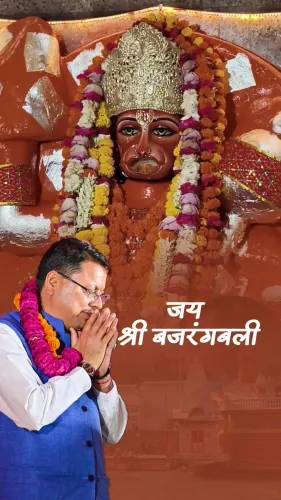
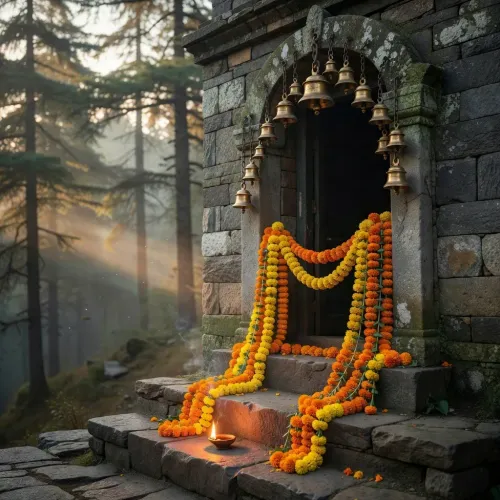
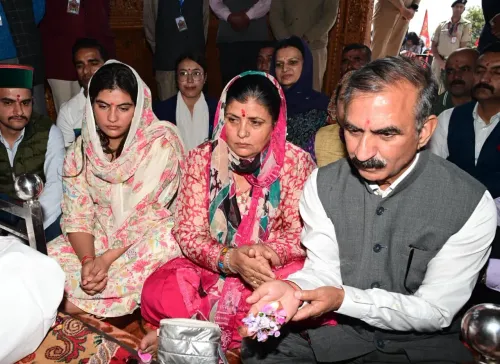
CM Himachal Visits Hatu Mata Temple in Narkanda
Synopsis
The Chief Minister of Himachal Pradesh visited the ancient Hatu Mata Temple in Narkanda with family on June 7, 2026, offering prayers and invoking the goddess's blessings for all state residents, in a post that reinforces Himachal's Devbhoomi identity.
Key Takeaways
The Chief Minister of Himachal Pradesh visited Hatu Mata Temple in Narkanda with family on June 7, 2026 for darshan and worship.
Hatu Mata Temple is an ancient hilltop shrine in Shimla district , known for its mythological significance and natural setting.
The CM described the temple as 'a remarkable confluence of faith, devotion, and nature' and prayed for Mata Rani 's blessings on all Himachalis.
Himachal Pradesh is officially known as Devbhoomi , and successive governments have used religious site visits to reinforce this identity publicly.
Increased official visibility of the temple may boost pilgrim footfall and benefit local communities in the Narkanda area.
State tourism authorities may follow with infrastructure or pilgrimage calendar announcements for the 2026-27 season.
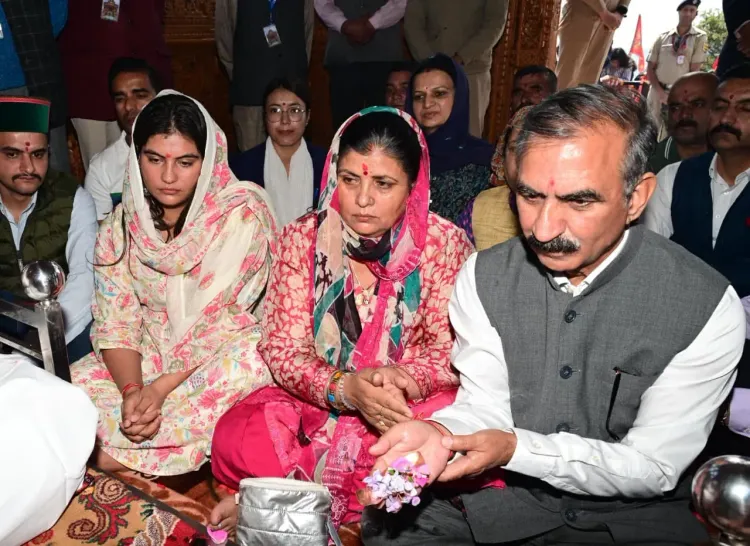
The Chief Minister's Office of Himachal Pradesh announced on Sunday, June 7, 2026, that the Chief Minister visited the ancient Hatu Mata Temple in Narkanda along with family members for prayers and worship, sharing the occasion with citizens across the state.
Posting on the official CMO account, the message read: 'Aaj saparivar Narkanda ke pauranik Hatu Mata Mandir mein darshan evam pooja-archana ka saubhagya prapt hua' — 'Today I had the privilege of visiting the ancient Hatu Mata Temple in Narkanda with my family for darshan and worship.' The post described the temple as a remarkable confluence of faith, devotion, and nature, and expressed the wish that Mata Rani continue to bestow her boundless grace and blessings on all residents of the state.
Context
Hatu Mata Temple is one of the most revered shrines in Shimla district, perched on a forested hilltop near the hill station of Narkanda. The temple carries deep mythological significance and draws pilgrims and nature-seekers alike, particularly during the summer and festive seasons. Its elevation and wooded surroundings make it a distinctive pilgrimage destination in the Himalayan landscape. Narkanda, located roughly 65 kilometres from Shimla on the Hindustan-Tibet Road, serves as an important transit and tourism hub. The area is known for its apple orchards, ski slopes in winter, and proximity to several religious sites, positioning it as a year-round destination for visitors from across northern India.Policy Backdrop
Himachal Pradesh carries the constitutional and cultural designation of Devbhoomi — 'Land of the Gods' — reflecting its extraordinary density of temples, pilgrimage routes, and sacred natural landscapes. Successive state governments have incorporated religious heritage promotion into official tourism strategy, recognising that faith-based travel forms a significant pillar of the state's visitor economy. Official social media accounts of the Himachal government have consistently highlighted visits to historic shrines, reinforcing the state's Devbhoomi identity to a wide audience. Such messaging serves both a cultural purpose — spotlighting lesser-known temples — and a practical one, directing public attention toward pilgrimage circuits that support local livelihoods in remote hill communities.Stakeholders and Impact
The post is likely to resonate with the large community of Hatu Mata devotees across Himachal Pradesh and the broader Hindi-speaking belt, for whom the temple holds significant religious importance. Visibility from the Chief Minister's visit can translate into increased footfall, benefiting local priests, vendors, and hospitality operators in the Narkanda belt. The state's tourism sector stands to gain as well. When senior officials publicly document visits to heritage religious sites, it functions as an informal endorsement that can amplify destination awareness, particularly among pilgrims planning summer travel in the region.What's Next
Attention will now turn to whether the state's tourism department follows up with announcements on infrastructure upgrades around temple-area access roads, parking, or amenities ahead of the 2026-27 pilgrimage season. Seasonal pilgrimage calendars for Himachal's major shrines are typically released in the first half of the year, and the Chief Minister's public visit could accelerate planning timelines for Hatu Mata's facilities. Broader Devbhoomi branding efforts are expected to continue as the state positions its religious and natural heritage as complementary draws for both domestic and diaspora visitors.Point of View
Amplified through the official CMO account, is a calculated exercise in Devbhoomi statecraft — blending personal piety with state branding. Himachal governments across party lines have long used religious site endorsements as low-cost, high-reach tools to consolidate cultural identity and voter sentiment in a deeply faith-oriented electorate. The choice of Hatu Mata, a relatively lesser-publicised shrine compared to Shimla's Jakhu or Mandi's Shikari Devi, also signals an effort to diversify the state's pilgrimage map. If tourism infrastructure announcements follow, this post will mark the soft opening of a broader heritage-promotion push ahead of the next travel season.
NationPress
23 Oct 2026
Frequently Asked Questions
Where is Hatu Mata Temple located?
Hatu Mata Temple is located near Narkanda in Shimla district , Himachal Pradesh, atop a forested hill at high altitude, roughly 65 kilometres from Shimla city.
Why is Himachal Pradesh called Devbhoomi?
Himachal Pradesh is called Devbhoomi , meaning 'Land of the Gods', because of its extraordinary concentration of Hindu temples, ancient pilgrimage routes, and sacred natural landscapes spread across the state.
What is the significance of Hatu Mata Temple?
Hatu Mata Temple is an ancient shrine with deep mythological associations, revered by devotees across the region. Its hilltop forested setting makes it a unique blend of religious and nature-based pilgrimage.
Did the Himachal CM visit Hatu Mata Temple in 2026?
Yes, the Chief Minister's Office of Himachal Pradesh confirmed on June 7, 2026 , that the Chief Minister visited Hatu Mata Temple in Narkanda with family for prayers and worship.
How do I reach Narkanda from Shimla?
Narkanda is approximately 65 kilometres from Shimla on the Hindustan-Tibet Road (NH-5) and is accessible by road, making it a popular day-trip or overnight destination for pilgrims and tourists.