CM Himanta Flags Nutrition as Core of Assam School Meal Push
Synopsis
Assam Chief Minister Himanta Biswa Sarma on 29 May 2026 reaffirmed his government's push to improve mid-day meal quality in state schools, linking proper nutrition to children's holistic development alongside infrastructure and teaching upgrades.
Key Takeaways
CM Himanta Biswa Sarma publicly identified proper nutrition as the foundation of a child's holistic growth on 29 May 2026 .
Assam 's school nutrition drive is being pursued alongside infrastructure upgrades and modern teaching practices, not in isolation.
The state's efforts operate within the national PM POSHAN Shakti Nirman framework, revamped in 2021 to strengthen nutritional norms in government school meals.
India's mid-day meal programme has been running since 1995 , targeting children in the 6–14 age group to improve attendance and reduce malnutrition.
The statement aligns with the BJP -led government's broader governance messaging and the North-East Democratic Alliance (NEDA) development agenda.
Concrete policy announcements — such as supplementary budget allocations or revised quality audits — are anticipated as potential follow-through steps.
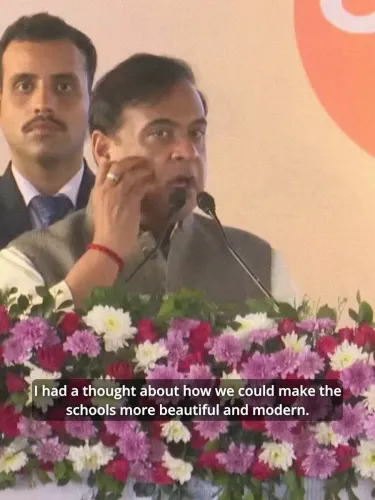
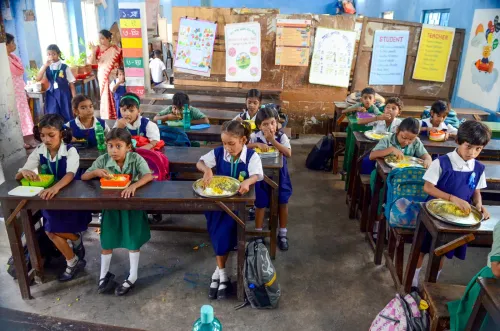
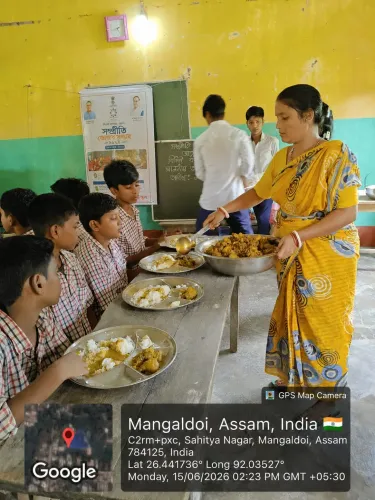
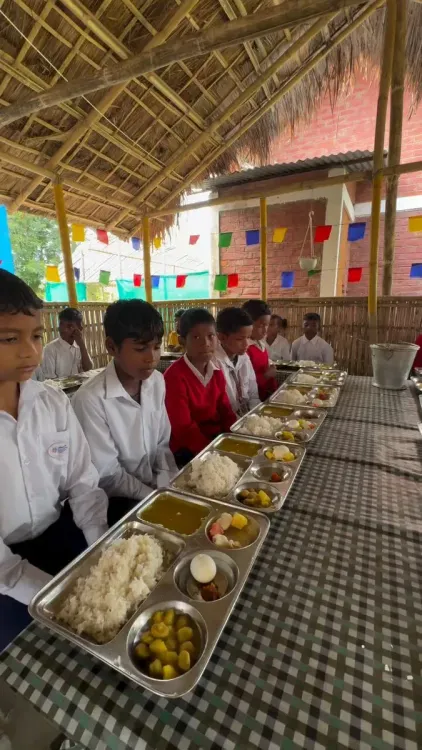
Assam Chief Minister Himanta Biswa Sarma on Friday, 29 May 2026, underscored the state government's commitment to child nutrition, stating that proper nutrition forms the foundation of a child's holistic growth and that Assam is actively working to ensure students receive the best quality food in their school mid-day meal plates.
Context
In his post, CM Sarma framed school nutrition not as a standalone welfare measure but as part of a wider effort that also encompasses better infrastructure and modern teaching practices. 'We are not only ensuring better infra and modern teaching practices, but also ensuring that our kids receive the best quality of food in their school mid day meal plates to aid in their growth journey,' he wrote. The statement signals a deliberate effort to position Assam's government schools as sites of comprehensive child development, not merely academic instruction.
Policy Backdrop
The mid-day meal programme in India dates to 1995, when the National Programme of Nutritional Support to Primary Education was launched to improve enrolment, attendance, and child nutrition in government schools. In 2021, the programme was revamped as PM POSHAN Shakti Nirman (PM POSHAN), with strengthened nutritional norms, an emphasis on millets, and improved monitoring of kitchen infrastructure and meal quality. Assam, as a northeastern state with significant pockets of child malnutrition, has been a key beneficiary of both the central scheme and state-level supplementary interventions.
The PM POSHAN framework treats school meals as a dual instrument — reducing dropout rates by incentivising attendance while simultaneously addressing undernourishment among children in the 6–14 age group. State governments retain flexibility to supplement central norms with local produce, additional nutrients, or enhanced kitchen facilities, and several BJP-governed states have used this space to announce visible nutrition upgrades.
Stakeholders and Impact
The primary beneficiaries of any quality improvement in Assam's mid-day meal programme are students enrolled in government and government-aided schools across the state. Improved meal quality directly affects cognitive development, school attendance, and long-term health outcomes for children, particularly in rural and semi-urban districts where household food security remains uneven. Teachers, school management committees, and self-help groups involved in meal preparation also stand to be affected by any revised quality standards or procurement norms.
For the BJP-led state government, the messaging also carries political weight: consistent emphasis on school welfare schemes reinforces the party's governance narrative ahead of any future electoral cycle in the state, and aligns with the broader North-East Democratic Alliance (NEDA) framework of development-led politics that CM Sarma convenes.
What's Next
Observers will watch for concrete follow-through in the form of state budget allocations for mid-day meal quality, third-party audits of nutritional standards, or specific scheme announcements tied to the PM POSHAN framework in Assam. The Chief Minister's public framing of nutrition as foundational — rather than supplementary — to school-based development could precede a formal policy announcement or an expanded state component to the central scheme. If matched by measurable outcomes in meal quality and child health indicators, the initiative could serve as a model for other northeastern states under the NEDA umbrella.
Point of View
The messaging draws on the proven political currency of school feeding programmes, which have historically driven both enrolment gains and voter goodwill in rural constituencies. The framing also positions Assam as a proactive state actor within the central PM POSHAN framework, reinforcing Sarma's image as a hands-on administrator rather than a passive recipient of central schemes. Longer term, the statement could be a precursor to a state-level nutrition announcement designed to differentiate Assam's model within the northeastern region.
NationPress
12 Oct 2026
Frequently Asked Questions
What is the mid-day meal scheme in Assam schools?
The mid-day meal scheme in Assam operates under the national PM POSHAN Shakti Nirman programme, which provides cooked meals to students in government and government-aided schools to improve nutrition, attendance, and enrolment. The scheme has been running nationally since 1995 and was revamped in 2021 with stronger nutritional norms.
What did Assam CM Himanta Biswa Sarma say about school nutrition?
On 29 May 2026 , CM Sarma stated that proper nutrition is the foundation of a child's holistic growth and that Assam is ensuring children receive the best quality food in their school mid-day meal plates, alongside improvements in school infrastructure and teaching practices.
What is PM POSHAN and how does it relate to Assam?
PM POSHAN Shakti Nirman is the central government's revamped school meal programme approved in 2021 , replacing the earlier mid-day meal scheme. It sets nutritional standards, promotes millets, and improves kitchen infrastructure. Assam implements the scheme in its government schools and can supplement it with state-funded nutrition enhancements.
Why is child nutrition important in Assam's schools?
Child nutrition is critical in Assam because adequate food intake supports cognitive development, reduces absenteeism, and addresses undernourishment, particularly in rural and semi-urban areas where household food security can be inconsistent. School meals serve as a reliable daily nutrition source for many children.
Is Assam planning new announcements on school meal quality?
As of May 2026 , no specific new scheme has been announced; CM Sarma's post signals intent and priority. Observers expect potential follow-through in the form of budget allocations, quality audits, or expanded state components to the central PM POSHAN framework in the coming months.