CM Himanta calls for tech-driven flood solutions after Sivasagar, Charaideo floods
Synopsis
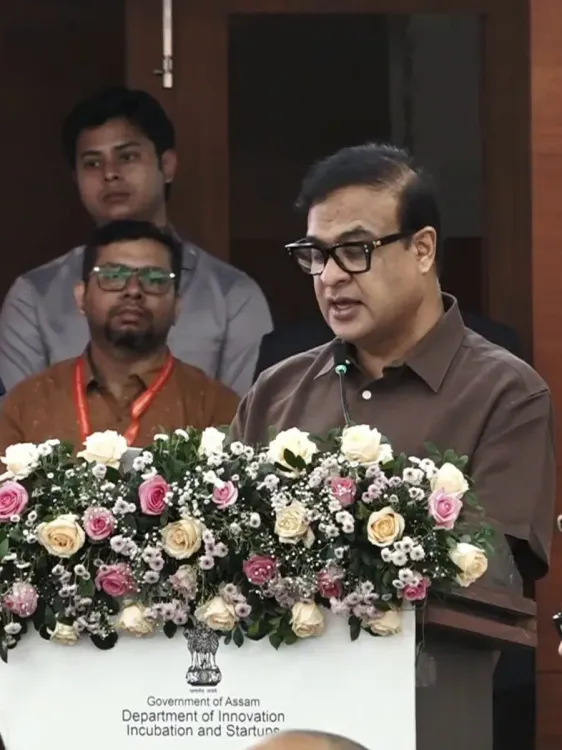
Assam CM Himanta Biswa Sarma on September 25 called for technology-driven flood preparedness solutions, citing recent flooding in Sivasagar and Charaideo, and expressed confidence that the state's youth can deliver those innovations.
Key Takeaways
CM Himanta Biswa Sarma publicly called for tech-driven flood solutions on September 25, 2026 .
The appeal was directly prompted by recent floods in Sivasagar and Charaideo districts in eastern Assam.
Sarma specifically identified Assam's youth as the expected source of new flood-tech innovations.
Assam has relied on traditional engineering — embankments, dredging, early-warning systems — since the 1950s ; the call signals a desire to go beyond that playbook.
Possible outcomes include hackathons , institutional tie-ups, or state calls for proposals in the run-up to the next monsoon season.
Flooding in Assam regularly displaces hundreds of thousands of people and damages crops and infrastructure every year.
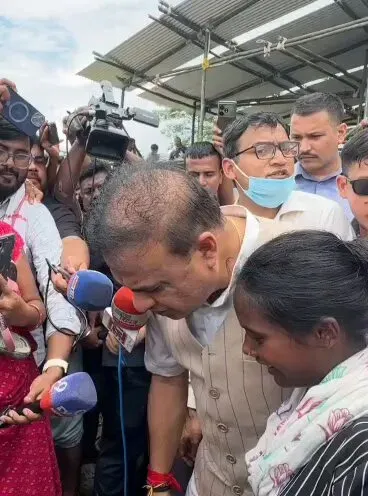
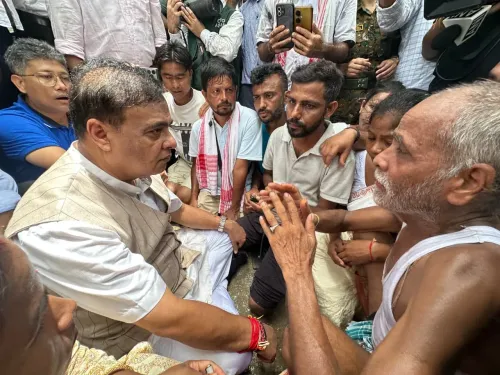
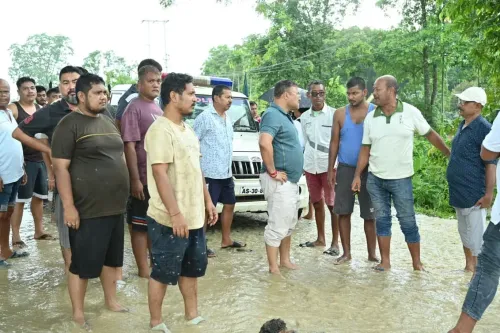
Every monsoon, Assam races against water — and Assam Chief Minister Himanta Biswa Sarma wants the state's next line of defence to be built by its own youth. On Friday, September 25, 2026, the Chief Minister called for technology-driven solutions to flood preparedness, pointing directly to the devastation caused by recent floods in Sivasagar and Charaideo districts as the impetus for action.
Sivasagar and Charaideo: the floods that sharpened the call
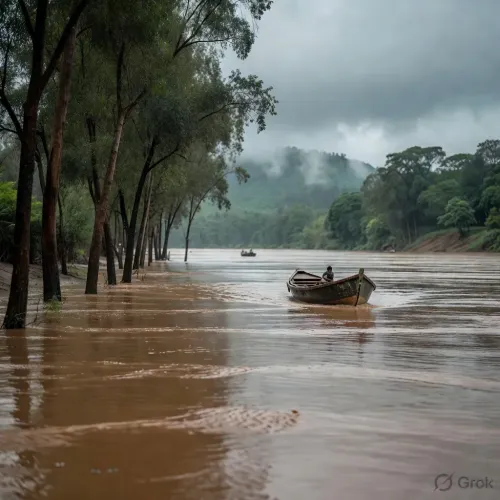
Sivasagar and Charaideo, two districts in eastern Assam, sit in the floodplain of the Brahmaputra river system and are among the areas most frequently battered during the monsoon. Sarma's post named them specifically — a signal that the recent inundation was severe enough to push the state beyond incremental fixes and toward a fresh, innovation-led approach.
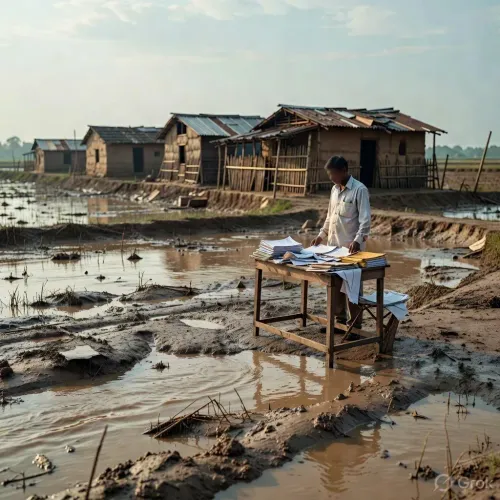
Flooding remains a near-annual crisis across Assam, regularly displacing hundreds of thousands of people and destroying crops and infrastructure. Since the 1950s, successive state administrations have relied on embankment strengthening, dredging, and early-warning systems coordinated through bodies like the Brahmaputra Board and state disaster management plans. The limits of that engineering-first playbook are now visible every monsoon season.
Why youth innovation — and why now
Sarma's pivot toward youth-led, tech-driven solutions is not accidental. Across the Northeast, state governments have increasingly looked at tools such as remote sensing, AI-based flood modelling, and community early-warning apps to complement physical infrastructure. Betting on local talent to build those tools serves a dual purpose: it addresses disaster resilience while simultaneously building a skilled technology workforce in the region.
The framing — 'our youth will be able to come up with such solutions' — opens the door to state-level hackathons, calls for proposals, or partnerships with technical institutions in the coming months. It positions the next phase of Assam's flood response not as a government procurement exercise but as a civic innovation challenge.
The stakes for flood-prone Assam
Assam's vulnerability to flooding is structural. The Brahmaputra and its tributaries carry enormous silt loads that raise riverbeds over time, making embankments progressively less effective. A technology layer — real-time flood mapping, predictive modelling, community alert systems — could buy critical hours of warning time for villages that currently have almost none.
Whether the Chief Minister's appeal crystallises into a formal programme, a hackathon, or institutional tie-ups with engineering colleges will determine whether this moment becomes policy or remains a call to action. But after back-to-back floods in Sivasagar and Charaideo, the urgency is no longer theoretical.
Assam has the talent, the data, and now a direct mandate from its Chief Minister. The question is how fast the state can move from aspiration to deployment before the next monsoon arrives.
Point of View
He frames the government as forward-looking rather than reactive in the face of a crisis that has plagued Assam for decades. The emphasis on locally-grown tech solutions also fits the broader BJP-NDA narrative of self-reliant, skill-led development in the Northeast. If the call translates into a formal programme, it could become a visible governance differentiator ahead of the next Assam assembly cycle. The real test, however, is institutional follow-through — Assam has seen ambitious flood-tech announcements before without durable change on the ground.
NationPress
25 Sept 2026
Frequently Asked Questions
Why did CM Himanta Biswa Sarma call for tech-driven flood solutions?
Sarma cited the recent floods in Sivasagar and Charaideo districts as the immediate trigger, saying Assam needs new technology-driven approaches to flood preparedness beyond traditional embankment and dredging works.
Which districts in Assam were recently affected by floods?
Sivasagar and Charaideo, both in eastern Assam, were specifically named by Chief Minister Sarma as districts affected by recent flooding that prompted his call for new solutions.
What kind of technology can help with flood management in Assam?
Experts and state planners have pointed to remote sensing, AI-based flood modelling, community early-warning apps, and real-time river monitoring as potential tech tools that could complement existing embankment infrastructure.
What has Assam done historically to manage floods?
Since the 1950s, Assam has relied on embankment construction, river dredging, and early-warning coordination through bodies like the Brahmaputra Board and state disaster management authorities.
What could follow CM Himanta's call for youth-led flood innovation?
State-level hackathons, calls for proposals, or partnerships with engineering colleges and technical institutions are among the likely next steps, though no formal programme has been announced yet.