CM Himanta Credits Operation Falcon for Zero Rhino Poaching in Kaziranga
Synopsis
Assam CM Himanta Biswa Sarma announced on November 9, 2026 that rhino poaching at Kaziranga National Park reached zero in 2024 after Operation Falcon targeted organised poaching syndicates — a dramatic turnaround from 27 rhino deaths each in 2013 and 2014.
Key Takeaways
27 rhinos were lost to poaching at Kaziranga in both 2013 and 2014 , reflecting peak organised wildlife crime in the region.
Assam launched Operation Falcon in 2024 , specifically targeting poaching syndicates operating around protected areas.
CM Himanta Biswa Sarma claims the operation brought the rhino poaching count to zero in 2024 .
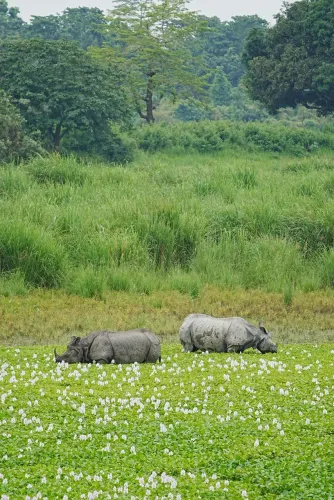
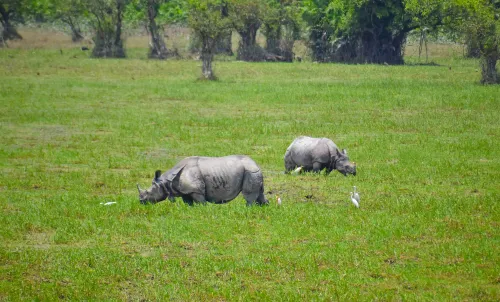
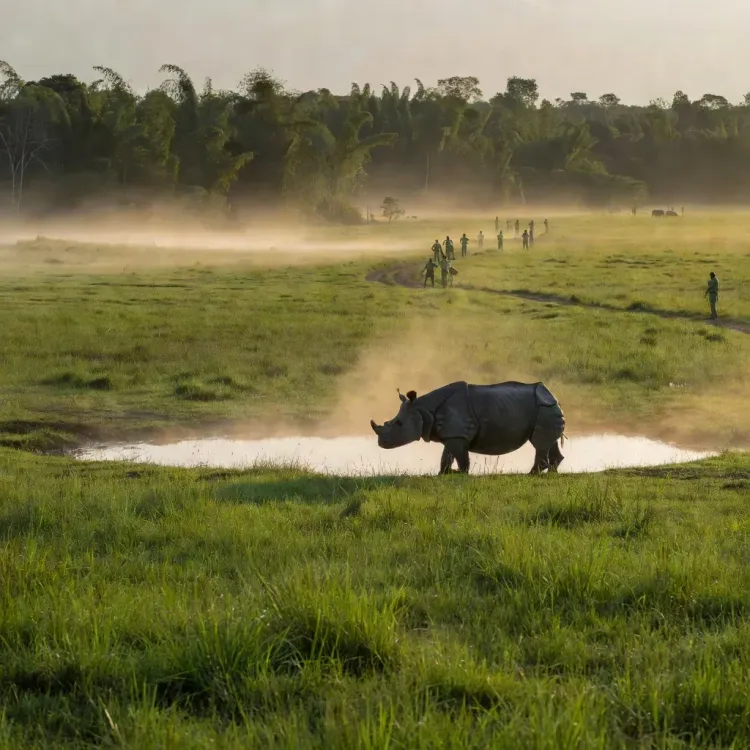
Kaziranga National Park is a UNESCO World Heritage Site and home to the world's largest population of the greater one-horned rhinoceros.
Independent verification through the next official Kaziranga rhino census and Operation Falcon prosecution records remains the key test of these claims.
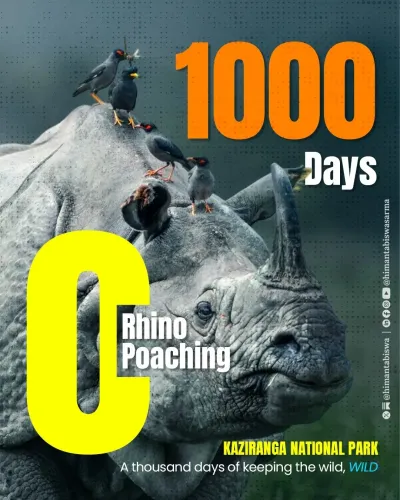
From 27 rhinos killed to zero — in just over a decade, Assam Chief Minister Himanta Biswa Sarma says the state has flipped the script on wildlife crime at one of India's most iconic national parks. In a post on Monday, November 9, 2026, the Chief Minister announced that rhino poaching at Kaziranga National Park had been brought down to zero in 2024, crediting Operation Falcon — a targeted anti-poaching crackdown — with dismantling the syndicates behind years of devastating losses.
From 27 kills a year to a zero count
Kaziranga, a UNESCO World Heritage Site in Assam and home to the world's largest population of the greater one-horned rhinoceros, saw 27 rhinos lost to poachers in 2013 and again in 2014 — a grim streak that placed the park at the centre of a global wildlife-crime emergency. Those numbers reflected not random acts but organised syndicate activity: coordinated networks trafficking horn across porous borders into international black markets.
Sarma's post makes the contrast stark: 'In 2024, we launched Operation Falcon, cracked down on poaching syndicates and brought the count to ZERO. In Kaziranga, it's the poaching networks that now face extinction.' The rhetorical reversal — poachers, not rhinos, now facing extinction — is deliberate. And if the numbers hold, it represents a genuine landmark.
Operation Falcon and the decade-long enforcement arc
Assam has run successive anti-poaching drives since the 2000s, steadily expanding patrol networks, deploying informant-driven intelligence, and working with the state forest department to tighten the noose around syndicate logistics. Operation Falcon, launched in 2024, appears to be the sharpest edge of that campaign — explicitly targeting the organised crime layer rather than just individual poachers.
That distinction matters. Picking off lone hunters at the forest edge rarely breaks the chain. Syndicates that source, transport, and sell horn internationally operate like supply chains; disrupting them requires sustained intelligence work and prosecutions that go up the ladder. Whether Operation Falcon has delivered convictions and arrests at that level is a key question the courts and future census data will answer.
What the rhino census will tell us next
Kaziranga conducts periodic rhino censuses, and the next official mortality and population figures will be the independent test of these claims. Conservation groups and the Assam Forest Department will be watching closely — a verified zero-poaching year at Kaziranga would be a first in modern recorded history for the park, and a significant data point for wildlife-protection models across South Asia.
Local communities living on the edges of Kaziranga have long been part of the anti-poaching equation — both as potential informants and, historically, as vulnerably recruited couriers for syndicates. Sustainable gains in poaching reduction tend to track how well ground-level community trust is maintained alongside enforcement pressure.
India has a broader template here: similar zero-tolerance postures have been applied to tiger reserves and elephant corridors elsewhere. If Kaziranga's 2024 record is confirmed and sustained into 2025, it becomes a blueprint worth exporting.
Point of View
Rather than a patrol enhancement, signals a deliberate shift in anti-poaching doctrine: treating wildlife crime as organised crime rather than a forest-management problem. If the zero-kill figure survives independent census scrutiny, it would validate a decade of incremental enforcement investment by successive Assam administrations. The harder test is whether the syndicate networks have been genuinely disrupted or merely displaced to other protected areas in the Northeast.
NationPress
9 Nov 2026
Frequently Asked Questions
What is Operation Falcon in Assam?
Operation Falcon is an anti-poaching initiative launched by the Assam government in 2024 that targeted organised poaching syndicates operating around protected areas such as Kaziranga National Park, aiming to dismantle the criminal networks behind wildlife crime.
How many rhinos were poached in Kaziranga in 2024?
Assam Chief Minister Himanta Biswa Sarma claims that rhino poaching in Kaziranga reached zero in 2024 following the launch of Operation Falcon, compared to 27 rhinos killed in both 2013 and 2014.
Why is Kaziranga National Park significant for rhinos?
Kaziranga National Park in Assam is a UNESCO World Heritage Site and hosts the world's largest population of the greater one-horned rhinoceros, making it one of the most critical conservation sites for the species globally.
What was the rhino poaching situation in Kaziranga before 2024?
Rhino poaching in Kaziranga peaked at 27 animals killed in both 2013 and 2014, driven largely by organised syndicates trafficking horn into international black markets. Assam governments have run successive anti-poaching drives since the 2000s to bring those numbers down.
How is Himanta Biswa Sarma involved in wildlife conservation in Assam?
As Chief Minister of Assam since 2021, Himanta Biswa Sarma has championed strict anti-poaching enforcement, culminating in the 2024 Operation Falcon initiative, which he credits with achieving zero rhino poaching at Kaziranga.