CM Himanta visits Tinsukia hospital, doubles dialysis machines

Synopsis
Assam Chief Minister Himanta Biswa Sarma personally visited Tinsukia Medical College and Hospital following a public complaint about dialysis services, confirming that the number of dialysis machines has been doubled from 4 to 8 to improve patient care.
Key Takeaways
Assam CM Himanta Biswa Sarma made a personal site visit to Tinsukia Medical College and Hospital after receiving a public complaint about dialysis services.
The facility's dialysis capacity was doubled — from 4 machines to 8 — following the review.
Tinsukia district is in upper Assam, a region the state government has prioritised for expanded tertiary healthcare access.
The visit fits a pattern of direct, hands-on administrative oversight by the Chief Minister in health service delivery.
Assam has been incrementally upgrading equipment and capacity at newer district medical colleges over the past decade.
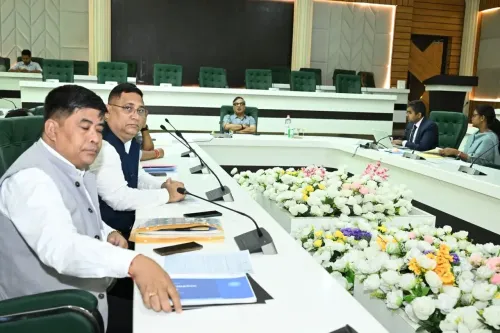
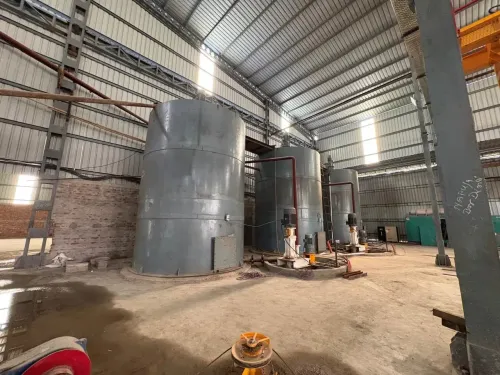
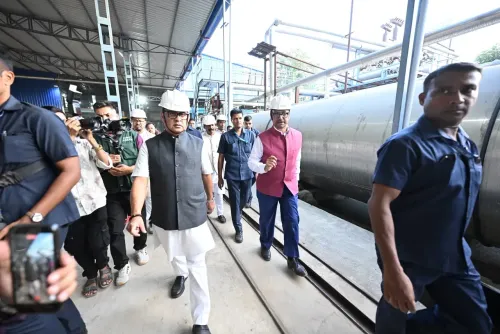
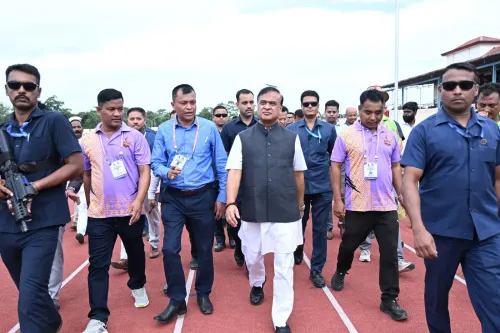
A public complaint about dialysis services at a government hospital in upper Assam triggered a personal site visit by Assam Chief Minister Himanta Biswa Sarma — and a same-day fix. Following the complaint about Tinsukia Medical College and Hospital, Sarma arrived to assess the situation firsthand and confirmed that the facility's dialysis capacity has been doubled, from 4 machines to 8.
From complaint to Chief Minister's courtyard
Sarma posted on X on Wednesday, November 11, 2026, stating: 'Following a complaint about dialysis services at Tinsukia Medical College and Hospital, I visited to review the situation. The issue has been addressed, with machines doubled from 4 to 8. Timely care for every patient remains my priority.' The visit is part of a visible pattern of hands-on administrative oversight that Sarma has cultivated since taking office in 2021 — turning individual grievances into headline-level accountability moments.
Why Tinsukia, and why dialysis
Tinsukia district sits in the upper reaches of Assam, a region historically underserved by tertiary healthcare. The medical college and hospital was established specifically to extend specialist care to communities that would otherwise travel hours to reach a major facility. Dialysis — continuous, life-sustaining treatment for patients with chronic kidney failure — is precisely the kind of service where shortfalls translate directly into risk to life. Doubling machine capacity from 4 to 8 means the facility can now serve significantly more patients without forced scheduling gaps.
Incremental upgrades, district by district
The Assam government has pursued a steady programme of expanding the number of medical colleges and upgrading equipment at district-level hospitals over the past decade. The strategy aims to shift the burden away from a handful of large urban centres toward distributed, accessible care. A direct Chief Minister visit to a complaint about a district hospital — not a flagship facility — signals that this expansion is meant to be functional, not merely symbolic. The question now is whether facilities at other newly established medical colleges in the state are receiving similar scrutiny.
Point of View
Rapid-response accountability — particularly in the healthcare domain. For a state like Assam, where new medical colleges are still building credibility with local populations, a Chief Minister turning up in person sends a signal that expansion is not just an infrastructure exercise. The move also anticipates a familiar political calculus: in upper Assam's constituencies, dependable access to specialist care is a potent electoral promise. Whether this translates into a systematic audit of equipment across all newer district facilities — rather than a reactive, complaint-driven fix — will determine its lasting policy value.
NationPress
11 Nov 2026
Frequently Asked Questions
Why did Himanta Biswa Sarma visit Tinsukia Medical College?
Chief Minister Himanta Biswa Sarma visited Tinsukia Medical College and Hospital after receiving a complaint about inadequate dialysis services at the facility.
How many dialysis machines does Tinsukia Medical College have now?
Following the Chief Minister's review, the number of dialysis machines at Tinsukia Medical College and Hospital was doubled from 4 to 8.
Where is Tinsukia Medical College located?
Tinsukia Medical College and Hospital is located in Tinsukia district in upper Assam, established to bring tertiary care closer to communities in that region.
What is Assam's approach to district-level healthcare expansion?
The Assam government has steadily expanded the number of medical colleges and upgraded equipment at district hospitals over the past decade, aiming to distribute specialist care beyond major urban centres.
Is dialysis available at government hospitals in Assam?
Yes, dialysis services are provided at government medical college hospitals in Assam, including Tinsukia Medical College and Hospital, which now has 8 machines following the recent upgrade.