CM Sai Hails Cabinet's NBS Approval for Rabi 2026-27 Farmers
Synopsis
Chhattisgarh Chief Minister Vishnu Deo Sai praised PM Modi's Cabinet for approving Nutrient Based Subsidy rates on phosphate and potash fertilizers for Rabi 2026-27, calling it a vital step to reduce farming costs for cultivators across India and Chhattisgarh.
Key Takeaways
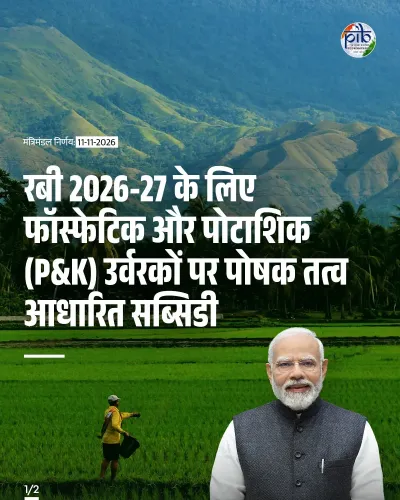
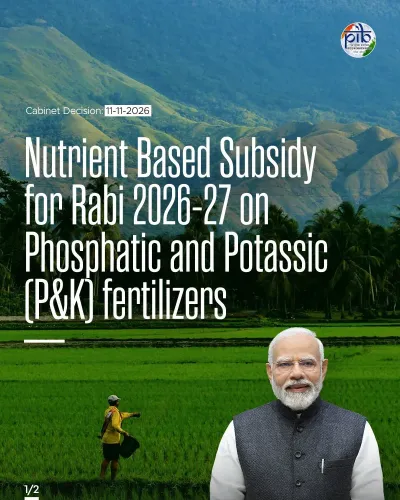
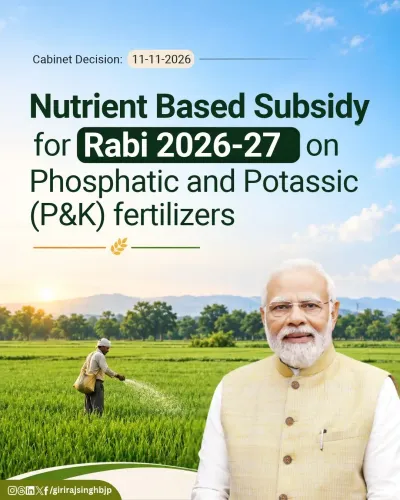
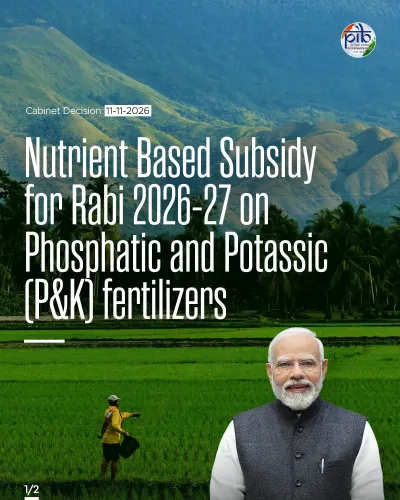
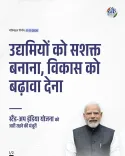
The Union Cabinet , chaired by PM Narendra Modi , approved Nutrient Based Subsidy (NBS) rates for P&K fertilizers for Rabi 2026-27 .
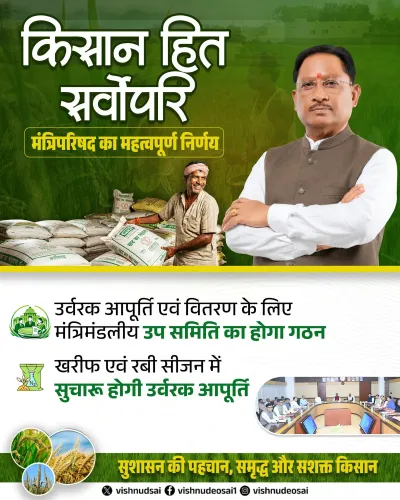
CM Vishnu Deo Sai publicly welcomed the decision on November 11, 2026 , highlighting benefits for Chhattisgarh and national farmers.
The NBS scheme , operational since April 2010 , links government subsidies to the nutrient content of phosphate and potash fertilizers.
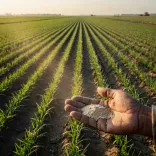
Lower retail fertilizer prices under the scheme are aimed at reducing overall cost of cultivation for small and marginal farmers.
Effective delivery depends on state-level supply chains and distribution by the Department of Fertilizers and state agriculture networks.
When the Union Cabinet greenlit fresh Nutrient Based Subsidy rates for phosphate and potash fertilizers ahead of the Rabi 2026-27 season, it was Chhattisgarh Chief Minister Vishnu Deo Sai who was among the first state leaders to publicly welcome the move — framing it squarely as a lifeline for the country's cultivators.
Posting on Wednesday, November 11, 2026, CM Sai wrote that the decision taken under Prime Minister Narendra Modi's chairmanship would ensure farmers across Chhattisgarh and the entire country receive fertilizers at subsidised rates, directly cutting the cost of cultivation. 'Annadata hitaishi is mahatvapurn nirnay ke liye' [for this farmer-friendly important decision], he expressed his heartfelt gratitude to the Prime Minister.
What the NBS Scheme Actually Does for Farmers
The Nutrient Based Subsidy (NBS) policy, introduced in April 2010, replaced an older product-based subsidy regime with one that links government support directly to the nutrient content of phosphate (P) and potash (K) fertilizers. The logic is straightforward: manufacturers receive a fixed per-nutrient subsidy, which is then passed down to farmers as lower retail prices.
Every cropping season, the Union Cabinet approves fresh NBS rates to calibrate farmer affordability against the government's fiscal outgo. The Rabi 2026-27 approval follows this established rhythm — but its significance is felt at the farm gate, where the price of a bag of DAP or MOP directly determines whether a small cultivator can afford to plant on time.
Why Chhattisgarh's Farmers Are Watching Closely
Chhattisgarh is a predominantly agrarian state, with paddy as its signature crop and a large population of small and marginal farmers dependent on affordable agricultural inputs. P&K fertilizers are essential complements to urea in achieving healthy yields — making the NBS rate decision particularly consequential for the state's Rabi sowing cycle.
CM Sai's public endorsement also signals alignment between the state government in Raipur and the Centre's agricultural policy direction — a standard political choreography ahead of a cropping season, but one that carries real administrative weight in ensuring smooth fertilizer distribution at the district level.
What Comes Next at the State Level
The Cabinet decision sets the subsidy rate; the harder work now lies in distribution. State agencies and cooperative networks must ensure subsidised P&K stocks reach the last-mile fertilizer retailer before Rabi sowing peaks. Any bottleneck in supply chains — a recurring challenge in past seasons — could blunt the Cabinet's intent. The Department of Fertilizers and state agriculture departments will be the ones to watch as the season unfolds.
India's farmers still await the full details of the approved NBS rates — and whether the margins are wide enough to meaningfully offset rising input costs. That answer will come at the counter, not the Cabinet table.
Point of View
With its dense population of small cultivators, any tangible input-cost reduction is both a welfare imperative and a political asset. The real test, as always, is whether the subsidy translates into actual shelf-price relief before Rabi sowing deadlines pass.
NationPress
11 Nov 2026
Frequently Asked Questions
What is the Nutrient Based Subsidy (NBS) scheme for fertilizers in India?
The NBS scheme, introduced in April 2010, provides government subsidies on phosphate and potash fertilizers based on their nutrient content rather than on the product itself, allowing retailers to sell these inputs to farmers at lower prices.
What did the Union Cabinet decide for Rabi 2026-27 fertilizer subsidies?
The Union Cabinet, chaired by PM Narendra Modi, approved the NBS rates for phosphate (P) and potash (K) fertilizers applicable for the Rabi 2026-27 cropping season, aimed at keeping fertilizer prices affordable for farmers.
How does the NBS subsidy decision benefit Chhattisgarh farmers?
Chhattisgarh's largely agrarian economy and large base of small and marginal farmers stand to benefit from lower retail prices on P&K fertilizers, which are essential for healthy Rabi crop yields and reducing overall cultivation costs.
What did Chhattisgarh CM Vishnu Deo Sai say about the Cabinet's fertilizer decision?
CM Vishnu Deo Sai praised PM Modi's Cabinet decision, stating it would ensure farmers in Chhattisgarh and across India receive fertilizers at subsidised rates and help reduce the cost of farming.
What are P&K fertilizers and why are they important for Rabi crops?
Phosphate (P) and potash (K) fertilizers are key nutrients that complement urea in crop production. They are critical for Rabi crops like wheat and mustard, supporting root development and overall plant health, making their affordable availability essential at sowing time.