CM Rekha Gupta Hails Cabinet's NBS Fertiliser Approval for Rabi 2026-27
Synopsis
Delhi CM Rekha Gupta praised the Union Cabinet's approval of Nutrient Based Subsidy rates for phosphate and potash fertilisers for Rabi 2026-27, saying the move will lower cultivation costs and boost farmer incomes, in line with PM Modi's agricultural vision.
Key Takeaways
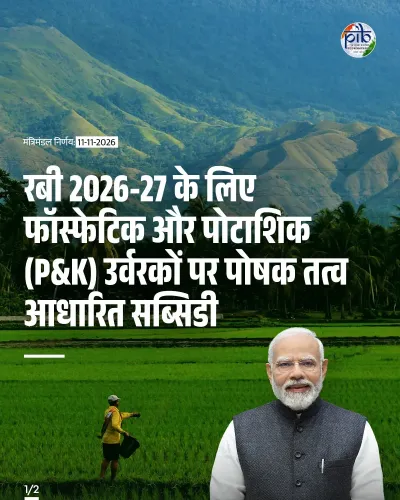
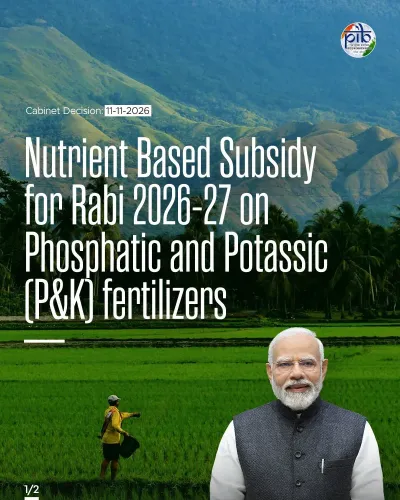
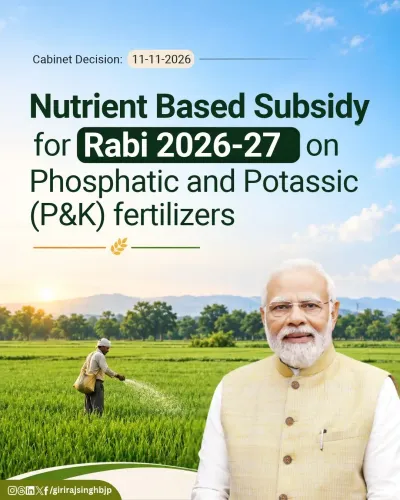
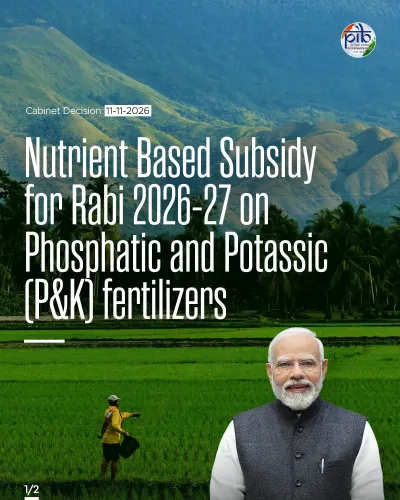
The Union Cabinet approved Nutrient Based Subsidy (NBS) rates for phosphate and potash fertilisers for Rabi 2026-27 on November 11, 2026 .
Delhi CM Rekha Gupta welcomed the decision, crediting PM Narendra Modi's vision for farmer welfare.
The NBS framework , introduced in April 2010 , provides per-nutrient subsidy support for decontrolled P and K fertilisers each cropping season.
The Rabi season covers India's winter crops — wheat, mustard, gram — sown between October and December, making affordable fertiliser access critical at this time.
State-level distribution of subsidised fertilisers and Union Budget allocations are the next milestones to watch.
Millions of Indian farmers heading into the Rabi 2026-27 cropping season have received a direct cost-relief signal from New Delhi. Delhi Chief Minister Rekha Gupta on Wednesday, November 11, 2026, welcomed the Union Cabinet's decision to approve Nutrient Based Subsidy (NBS) rates for phosphate and potash fertilisers, calling it a major step toward reducing the burden on the country's farming community.
Posting on X, CM Gupta credited the decision to the vision of Prime Minister Narendra Modi, writing that the approval would ensure farmers receive fertilisers at affordable rates, lower the cost of cultivation, and improve their economic savings — 'खेती की लागत कम हो, किसान की आय बढ़े और हर अन्नदाता समृद्ध बने' ('Let cultivation costs fall, let farmer income rise, and let every food-provider prosper').
What the NBS framework means for Rabi farmers
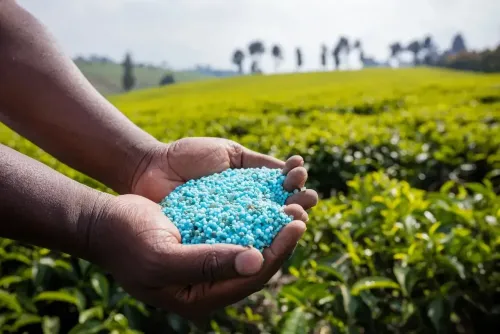
The Nutrient Based Subsidy policy, introduced in April 2010, replaced earlier controlled pricing for phosphate (P) and potash (K) fertilisers. Under the framework, the government fixes a per-nutrient subsidy rate each season, which fertiliser companies then pass on as a price reduction at the farm gate. The Union Cabinet has revised these rates seasonally ever since, tracking shifts in global raw-material prices for key inputs like diammonium phosphate (DAP) and muriate of potash (MOP).
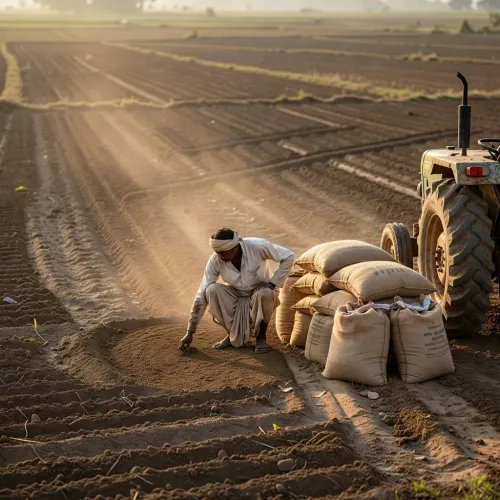
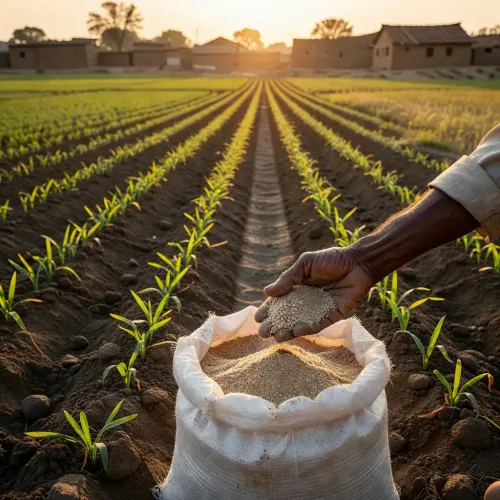
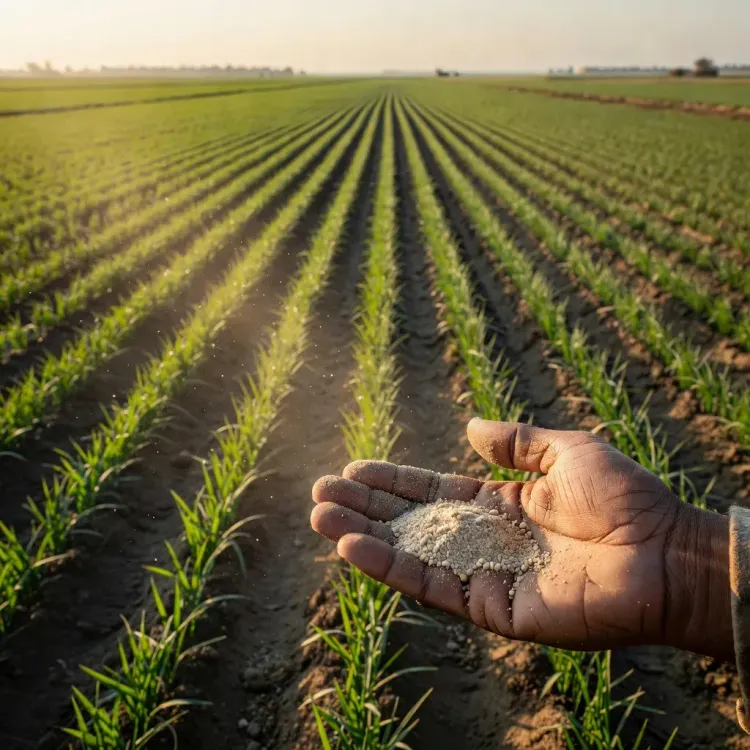
The Rabi season — India's winter crop cycle — is critical for wheat, mustard, gram, and other staples sown between October and December and harvested in spring. Access to affordable phosphate and potash at planting time directly shapes both yield potential and input cost for the season, making the Cabinet's pre-season timing consequential for farmers who are already in the field.
India's fertiliser subsidy machine — and why it stays in motion
India runs one of the world's largest fertiliser subsidy programmes, underpinning foodgrain output and rural incomes for hundreds of millions of households. Urea operates under a separate price-control regime, while P and K fertilisers fall under NBS — meaning the Cabinet's seasonal approval is the primary lever government has to manage those input costs without fully decontrolling the market.
Approvals of this kind are a recurring feature of agricultural input policy rather than a structural overhaul, but their timing and quantum matter enormously to farmers who are price-sensitive at the point of purchase. Any revision that keeps retail prices from rising during planting season is felt immediately at the village level.
What to watch as the Rabi season unfolds
The next pressure point will be state-level distribution: whether subsidised stocks of DAP and MOP reach mandis and cooperative outlets in time for peak sowing demand. Fertiliser allocation figures and offtake data over the coming weeks will indicate how effectively the Cabinet's pricing decision translates into ground-level availability. The NBS rates set now will also set a fiscal benchmark that feeds into discussions around the next Union Budget.
For a government that has consistently framed farm welfare as central to its political identity, keeping input costs in check before a winter harvest is as much a governance imperative as an economic one. The Rabi season's outcome will, in part, be its proof of delivery.
Point of View
But politically significant in timing, arriving just as Rabi sowing begins. For the BJP, framing every such approval as a welfare milestone reinforces the 'farmer-first' narrative that has been central to the party's electoral communication since 2014. The NBS framework itself, however, is a 2010-vintage policy, and its routine renewal raises the perennial question of whether periodic rate revisions are sufficient or whether structural reform of fertiliser markets is needed to sustainably lower input costs. As rural distress remains a watchword in Indian politics, the fiscal scale of the subsidy bill — and its efficacy at the last mile — will stay under scrutiny.
NationPress
11 Nov 2026
Frequently Asked Questions
What is the Nutrient Based Subsidy (NBS) scheme for fertilisers?
The NBS scheme, introduced in April 2010, provides government subsidies for phosphate and potash fertilisers based on their nutrient content rather than fixing a controlled retail price. The Union Cabinet revises the per-nutrient subsidy rates each cropping season to reflect changes in global raw-material costs.
Why did the Union Cabinet approve NBS rates for Rabi 2026-27?
The Cabinet approved NBS rates to ensure Indian farmers can access phosphate and potash fertilisers at affordable prices during the Rabi 2026-27 winter cropping season, which covers crops like wheat, mustard, and gram. Seasonal approvals of this kind are a standard feature of India's agricultural input policy.
How does the NBS subsidy help farmers?
By fixing a per-nutrient subsidy rate, the government enables fertiliser companies to sell phosphate and potash products at reduced prices at the farm gate. This directly lowers the cost of cultivation for farmers, particularly during the critical planting window of the Rabi season.
What did Delhi CM Rekha Gupta say about the Cabinet's fertiliser decision?
CM Rekha Gupta welcomed the approval on X, saying the decision would make fertilisers available at affordable rates, reduce farming costs, and increase farmers' economic savings. She called it an important step toward realising PM Modi's vision of higher farmer income.
What is the Rabi season in India?
The Rabi season is India's winter cropping cycle, during which farmers sow crops such as wheat, mustard, gram, and barley between October and December, with harvesting in spring. It is one of the two major cropping seasons, alongside Kharif, and is vital for India's foodgrain production.