CM Rekha Gupta Hails Cabinet Nod for Yuge Yugeen Bharat Museum
Synopsis
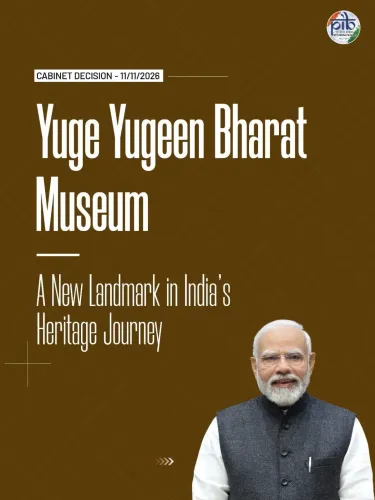
Delhi CM Rekha Gupta welcomed the Union Cabinet's nod to develop the grand Yuge Yugeen Bharat Museum in the North and South Block complex, calling it a moment of pride that will showcase India's civilisational heritage to the world under PM Modi's 'Vikas bhi, Virasat bhi' vision.
Key Takeaways
The Union Cabinet approved the development of the Yuge Yugeen Bharat Museum inside the North and South Block complex in New Delhi.
Delhi CM Rekha Gupta hailed the decision on November 11, 2026 , calling it a moment of pride for every Delhiite.
The project is part of PM Modi's Central Vista redevelopment initiative, approved in 2020 .
The museum is intended to present India's thousands of years of civilisational history to domestic and international visitors.
The initiative embodies Modi's 'Vikas bhi, Virasat bhi' governing philosophy, linking infrastructure development with cultural heritage.
Specific timelines, architectural plans, and funding details are yet to be officially released.
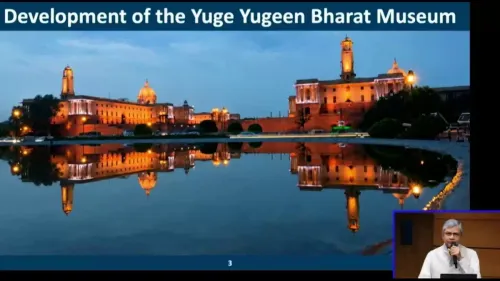
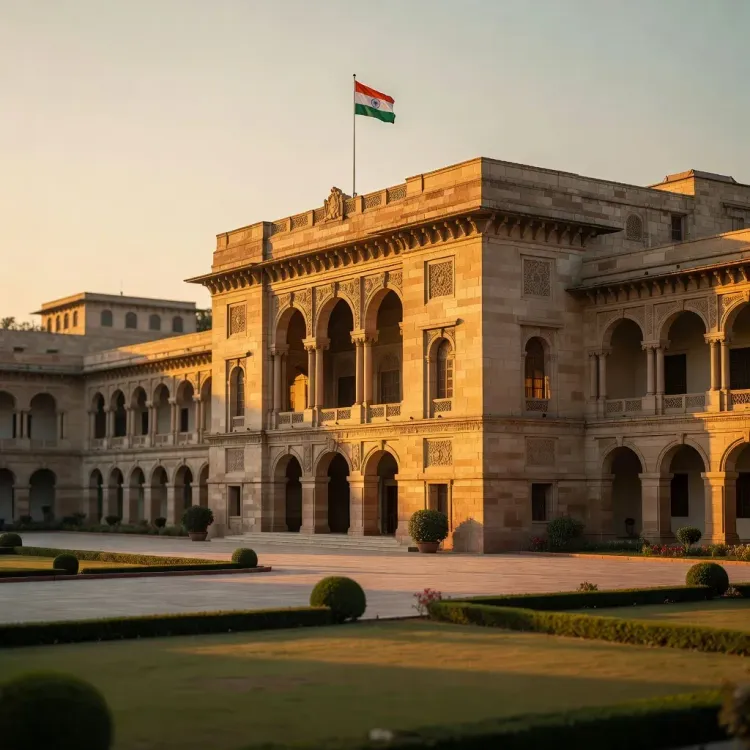
History is about to get a new address. Delhi Chief Minister Rekha Gupta on Wednesday, November 11, 2026, celebrated the Union Cabinet's approval to develop the grand 'Yuge Yugeen Bharat Museum' inside the iconic North and South Block complex in New Delhi — a decision she described as a moment of pride for every resident of the capital.
North and South Block: From Colonial Offices to Civilisational Canvas
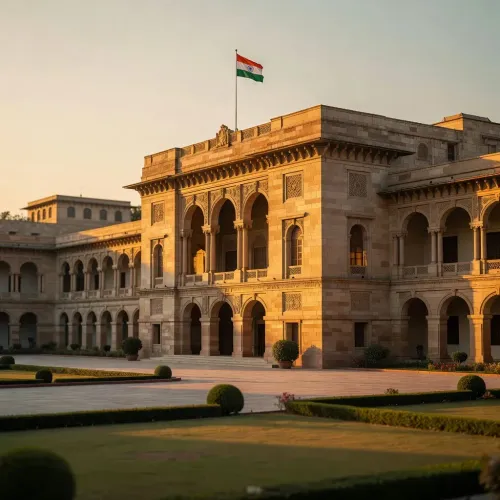
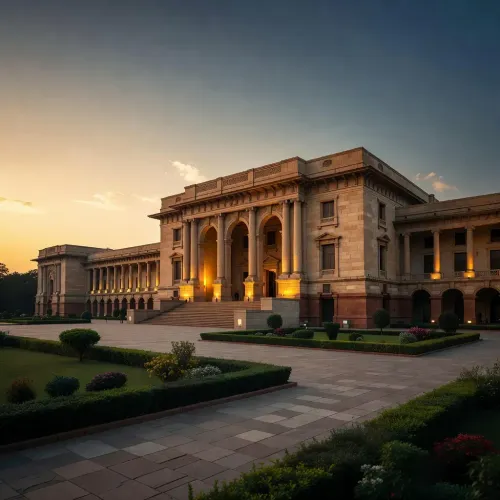
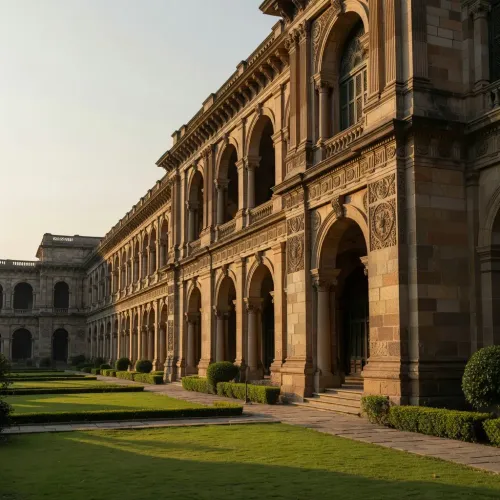
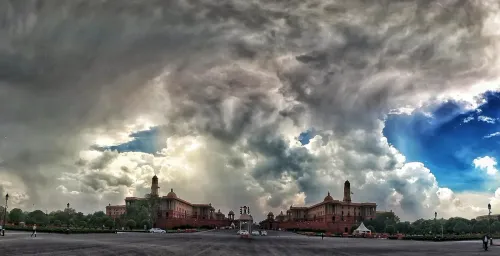
The twin sandstone landmarks flanking Rajpath — now Kartavya Path — have housed the country's most powerful ministries for over a century. Under Prime Minister Narendra Modi's Central Vista redevelopment project, approved in 2020, these buildings were earmarked for transformation from functioning government offices into something far more public-facing. The Cabinet's latest decision makes that vision concrete: a sweeping museum dedicated to India's thousands of years of civilisational history, culture, and tradition.
Gupta wrote in Hindi, 'Dilli ki mitti mein Bharat ka itihas basta hai' — 'Delhi's soil holds the history of India' — framing the capital not merely as a political headquarters but as the natural home for such an institution. The museum, she said, would introduce the world to India's 'glorious journey of thousands of years.'
'Vikas Bhi, Virasat Bhi' — The Philosophy Behind the Project
Modi's governing philosophy of 'Vikas bhi, Virasat bhi' — 'development as well as heritage' — has underpinned a string of infrastructure and cultural initiatives since 2014. Museum upgrades, the redevelopment of the Kashi Vishwanath corridor, the new Parliament building, and the Kartavya Path overhaul all carry the same DNA: physical modernisation paired with an assertive retelling of India's civilisational narrative. The Yuge Yugeen Bharat Museum — the name translating roughly to 'India Through the Ages' — slots directly into that lineage.
Gupta underscored the generational stakes: 'This museum will connect our coming generations to their roots.' For domestic visitors it offers a curated window into cultural inheritance; for international tourists, it positions Delhi alongside the world's great museum cities.
What It Could Mean for Delhi's Tourism Identity
Delhi already draws millions of visitors annually to monuments like the Red Fort, Qutb Minar, and Humayun's Tomb. A landmark institution inside the Central Secretariat precinct — arguably the most recognisable government address in the country — would add an entirely new cultural anchor to the capital's map. Successive Union Budgets have signalled intent to treat heritage sites as drivers of cultural tourism, and a museum of this stated scale would be among the most ambitious such projects undertaken in independent India.
Detailed timelines, architectural plans, and funding breakdowns are yet to be made public, and those numbers will determine when the 'yugo ki virasat' — the heritage of ages — actually opens its doors to the world.
Point of View
The government signals that the colonial-era Central Secretariat footprint is being deliberately rewritten into a heritage narrative. For Delhi CM Rekha Gupta, championing the project publicly reinforces her administration's alignment with the Centre's cultural priorities and bolsters her party's identity politics in a city where it only recently reclaimed power. The real test will be in the execution — timelines, curatorial choices, and whose 'yuge yugeen' story gets told inside.
NationPress
11 Nov 2026
Frequently Asked Questions
What is the Yuge Yugeen Bharat Museum?
The Yuge Yugeen Bharat Museum is a proposed large-scale museum to be developed inside the historic North and South Block complex in New Delhi, designed to showcase India's civilisational history, culture, and traditions spanning thousands of years.
Where will the Yuge Yugeen Bharat Museum be located?
The museum will be located in the North and South Block buildings of New Delhi's Central Secretariat complex, which currently house key Union government ministries.
Who approved the Yuge Yugeen Bharat Museum project?
The Union Cabinet under Prime Minister Narendra Modi approved the development of the museum, as announced in November 2026.
What is the 'Vikas bhi, Virasat bhi' vision?
'Vikas bhi, Virasat bhi' — meaning 'development as well as heritage' — is a governing philosophy championed by PM Modi since 2014 that seeks to combine modern infrastructure growth with the preservation and promotion of India's cultural and historical legacy.
How is the Yuge Yugeen Bharat Museum connected to the Central Vista project?
The museum is part of the broader Central Vista redevelopment project , approved in 2020, which envisages repurposing the North and South Block precincts as part of a heritage-linked urban renewal of New Delhi's central administrative spine.