CM Rekha Gupta Hails Stand-Up India Extension to 2031
Synopsis
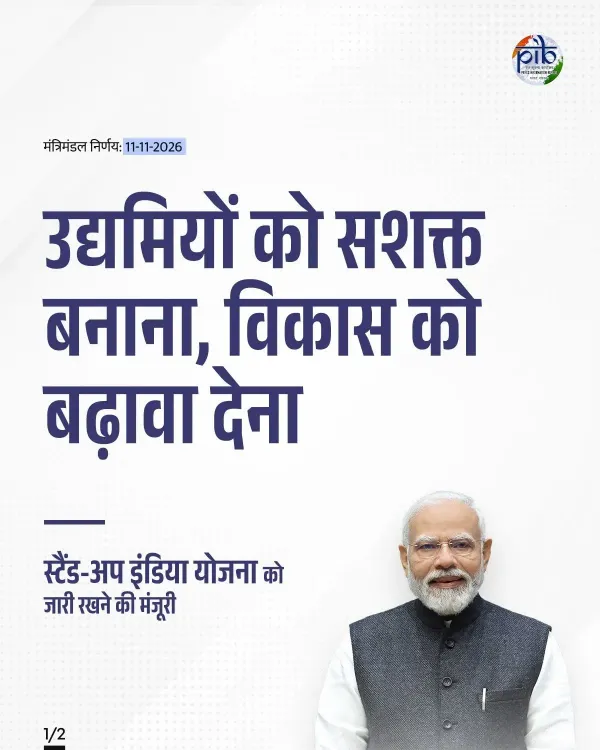
Delhi CM Rekha Gupta welcomed the Union Cabinet's extension of Stand-Up India through 31 March 2031. The scheme offers bank loans of Rs 10 lakh to Rs 1 crore to SC/ST and women borrowers for greenfield enterprises, with a new target of 2.5 lakh entrepreneurs over five years.
Key Takeaways
The Union Cabinet has approved extending the Stand-Up India scheme until 31 March 2031 .
The government aims to benefit 2.5 lakh new entrepreneurs over the next five years under the extended scheme.
The scheme provides bank loans of Rs 10 lakh to Rs 1 crore to SC/ST and women borrowers for greenfield enterprises.
Stand-Up India was originally launched on 5 April 2016 , making this a continuation of a decade-long programme.
The extension aligns with parallel schemes like Mudra Yojana and Startup India in widening access to formal-sector entrepreneurship.
Delhi CM Rekha Gupta credited PM Narendra Modi 's leadership for the cabinet decision.
A decade after it first opened bank doors for India's most excluded entrepreneurs, the Stand-Up India scheme is getting a fresh mandate — and a bigger ambition. Delhi Chief Minister Rekha Gupta on Wednesday, 11 November 2026 welcomed the Union Cabinet's decision to extend the flagship credit scheme through 31 March 2031, with a stated target of reaching 2.5 lakh new entrepreneurs over the next five years.
Posting in Hindi on X, CM Gupta credited Prime Minister Narendra Modi for the move, writing: 'Aadarniya Pradhanmantri ji ka nirantar prayas hai ki samaj ke har varg ko aage badhne ke saman avsar milein' — 'The Hon'ble Prime Minister's constant effort is that every section of society gets equal opportunity to progress and every citizen's participation in the country's development journey is ensured.'
What Stand-Up India does — and who it is built for
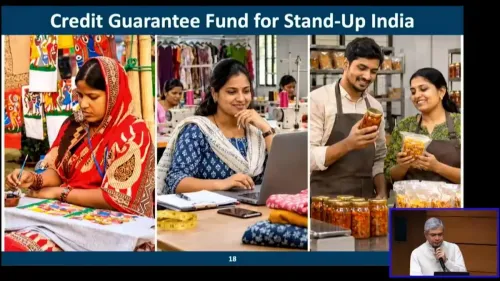
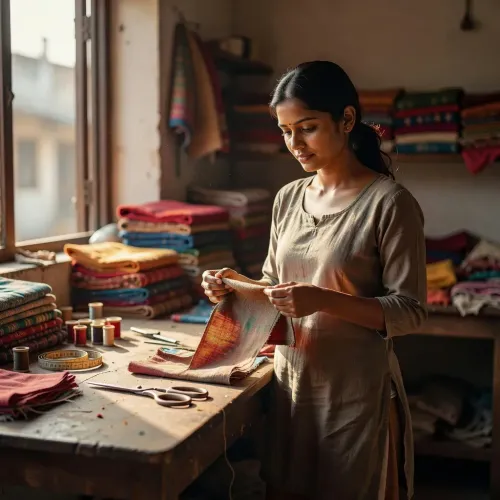
Launched on 5 April 2016, Stand-Up India was designed to do one specific thing: get a bank loan — between Rs 10 lakh and Rs 1 crore — into the hands of Scheduled Caste, Scheduled Tribe, and women borrowers who want to start a greenfield enterprise in manufacturing, services, or trading. Every scheduled commercial bank branch in the country is mandated to extend at least one such loan to an SC/ST borrower and at least one to a woman borrower. The scheme, in other words, is not advisory — it has teeth.
CM Gupta emphasised that the extension will particularly benefit 'hamari maataon-bahnon aur anusuchit jaati evam janjati ke yuvaon' — 'our mothers, sisters and the youth of Scheduled Castes and Tribes' — helping them start businesses, stand on their own feet and achieve economic self-reliance. The language is deliberate: self-reliance, or atmanirbharta, has been a recurring policy keyword across Modi-era programmes.
Where Stand-Up India sits in a wider enterprise ecosystem
The extension does not arrive in isolation. Stand-Up India operates alongside Mudra Yojana — which provides collateral-free micro-loans to small and micro enterprises — and the broader Startup India framework, which supports early-stage ventures with tax breaks and regulatory ease. Together, these three pillars represent the central government's layered bet on bottom-up entrepreneurship as a driver of job creation and formal-sector expansion.
The continuation through 2031 aligns with the government's broader 'Viksit Bharat' — Developed India — vision that sets ambitious economic benchmarks for that decade. Extending credit-access schemes to historically underrepresented groups is widely seen as essential scaffolding for that goal: an economy cannot scale on the contributions of only a narrow slice of its population.
What to watch as the extension takes effect
The real test of any loan scheme is disbursement data, not announcement headlines. Analysts and advocacy groups will track whether the 2.5 lakh beneficiary target translates into actual loan approvals and viable businesses — particularly for first-generation entrepreneurs in semi-urban and rural districts who often struggle with documentation and collateral requirements. Any modifications to loan ceilings or eligibility criteria in the next Union Budget will also signal how seriously the government intends to accelerate the pace.
For Delhi's BJP government, amplifying this cabinet decision reinforces a political narrative around inclusive economic growth — one that CM Gupta has consistently championed since taking office. The question now is whether the numbers, when they come, match the promise.
Point of View
The BJP simultaneously advances a welfare argument and a growth argument, making the scheme politically difficult to roll back. The 2.5 lakh target is ambitious but measurable, which means disbursement data will become a live accountability benchmark. Delhi CM Gupta's amplification signals that state-level BJP leaders are actively co-owning central welfare schemes as part of a unified electoral messaging architecture ahead of future assembly contests.
NationPress
11 Nov 2026
Frequently Asked Questions
What is the Stand-Up India scheme?
Stand-Up India is a central government scheme launched on 5 April 2016 that provides bank loans of Rs 10 lakh to Rs 1 crore to Scheduled Caste, Scheduled Tribe, and women borrowers to start greenfield enterprises in manufacturing, services, or trading.
How long has the Stand-Up India scheme been extended?
The Union Cabinet has approved extending the Stand-Up India scheme until 31 March 2031, keeping it active for approximately five more years.
How many entrepreneurs will benefit from the Stand-Up India extension?
The government has set a target of benefiting 2.5 lakh new entrepreneurs over the next five years under the extended scheme.
Who is eligible for a loan under Stand-Up India?
Scheduled Caste, Scheduled Tribe, and women borrowers who want to set up a new greenfield enterprise in manufacturing, services, or trading are eligible for loans between Rs 10 lakh and Rs 1 crore.
What did Delhi CM Rekha Gupta say about the Stand-Up India extension?
Delhi CM Rekha Gupta welcomed the Cabinet decision on X, saying it will create new opportunities for women and SC/ST youth to start businesses and become economically self-reliant, crediting PM Narendra Modi's leadership for the move.