CM Himanta flags Assam's push for compassionate cancer care
Synopsis
The Chief Minister's Office of Assam signals CM Himanta Biswa Sarma's renewed push for a compassionate, district-level cancer care ecosystem, building on the 2017 Assam Cancer Care Foundation partnership with Tata Trusts to bring holistic oncology services closer to patients across the state.
Key Takeaways
CM Himanta Biswa Sarma reaffirmed Assam's commitment to a 'comprehensive and compassionate, patient-centric cancer care ecosystem' on 6 November 2026 .
The government's framework covers three pillars: advanced medical facilities, emotional support, and holistic patient care.
Assam established the Assam Cancer Care Foundation in 2017 in partnership with Tata Trusts to build district-level cancer centres.
Northeastern India , including Assam, records elevated cancer incidence linked to lifestyle and environmental factors.
Integration of palliative-care services into existing district facilities is a key operational milestone being watched.
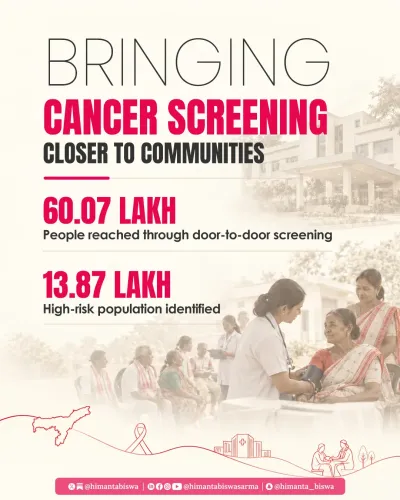
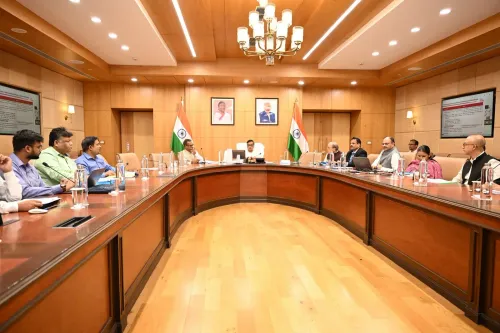
Cancer does not wait — and Assam Chief Minister Dr. Himanta Biswa Sarma is making clear his government will not either. The Chief Minister's Office of Assam posted on Friday, 6 November 2026, underlining the state administration's commitment to building what it describes as a 'comprehensive and compassionate, patient-centric cancer care ecosystem' across the state.
A chief minister who knows oncology from the inside
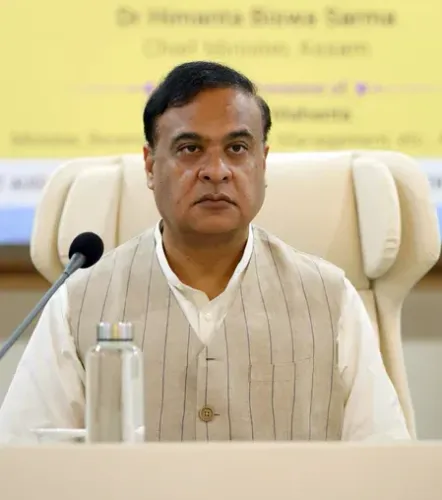
Himanta Biswa Sarma is not a newcomer to health policy. Before ascending to the Chief Minister's chair in May 2021, he served as Assam's Health Minister, directly overseeing a wave of hospital infrastructure upgrades. That personal policy lineage lends weight to the latest signal — this is a priority that predates his current office.
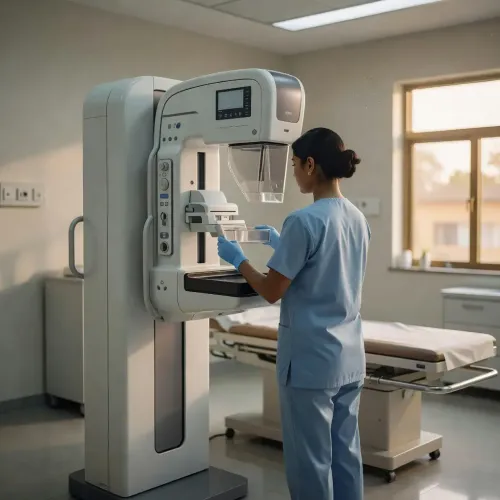
The post is explicit on what modern cancer care actually demands: 'advanced medical facilities, emotional support and holistic patient care.' That three-pronged framing — technology, psychology, and whole-person medicine — marks a shift from treating cancer as purely a clinical problem toward a model that takes the patient's full experience seriously.
The Assam Cancer Care Foundation and the district-centre network
The institutional backbone already exists. Assam launched the Assam Cancer Care Foundation in 2017 in partnership with Tata Trusts, with the specific aim of planting district-level cancer centres across a state where reaching Guwahati's tertiary hospitals is no small journey for rural patients. The foundation was a direct acknowledgment that centralised oncology cannot serve a geographically dispersed population.
The urgency is backed by epidemiology. Northeastern India, including Assam, has recorded elevated cancer incidence rates linked to both lifestyle factors and environmental conditions. Successive state administrations have treated oncology infrastructure as a health-system priority, layering state schemes on top of central government programmes.
What 'holistic' and 'palliative' mean in practice
The government's framing of 'emotional support' and 'holistic patient care' points toward palliative and psychosocial services — historically the underfunded end of oncology in India. The integration of these services into existing district facilities, rather than confining them to specialist urban hospitals, is the operational test that will determine whether this commitment translates into lived change for patients.
Rollout timelines for additional district cancer centres and progress on embedding palliative care into the existing network are the milestones to watch.
Assam has laid the foundation. The question now is how fast, and how far, it can build.
Point of View
Emotionally aware enterprise — not just a facilities problem — reflects a maturing discourse in Indian state-level health policy, where infrastructure alone is no longer seen as sufficient. His personal history as health minister gives this signal more institutional credibility than a routine social-media post would normally carry. For Assam, expanding the district-cancer-centre network is also a political statement about bridging the urban-rural health divide in the Northeast, a region that has historically felt peripheralised in national health spending. The real test will be whether palliative and psychosocial services receive dedicated funding lines in the next state budget.
NationPress
6 Nov 2026
Frequently Asked Questions
What is the Assam Cancer Care Foundation?
The Assam Cancer Care Foundation is a body established in 2017 by the Assam Government in partnership with Tata Trusts to set up district-level cancer care centres across the state, bringing diagnosis and treatment closer to rural patients.
Why does Assam have high cancer rates?
Northeastern states including Assam have recorded elevated cancer incidence linked to a combination of lifestyle factors and environmental conditions, prompting successive state governments to prioritise oncology infrastructure beyond the capital Guwahati .
What does patient-centric cancer care mean in Assam's context?
The Assam government uses the term to encompass advanced medical treatment, emotional and psychological support, and holistic care — moving beyond purely clinical intervention to address the full experience of a cancer patient.
What is CM Himanta Biswa Sarma's background in health policy?
Dr. Himanta Biswa Sarma served as Assam's Health Minister before becoming Chief Minister in May 2021 , overseeing significant hospital infrastructure upgrades, which gives him direct experience in state health system planning.
What should we watch for next in Assam's cancer care rollout?
The key milestones to track are the rollout timelines for additional district cancer centres and the integration of palliative-care services into existing facilities under the Assam Cancer Care Foundation network.