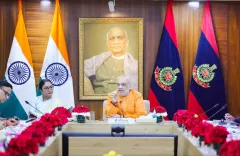
CM Himanta Flags Op Trident as Blow to NE Drug Cartel
Synopsis
Assam CM Himanta Biswa Sarma on 25 October 2026 hailed Operation Trident — a coordinated anti-narcotics sweep across Assam, Manipur and Mizoram — as a decisive blow against an international drug and hawala cartel, pledging to make drugs history in the region by 2029.
Key Takeaways
Operation Trident was conducted simultaneously across Assam , Manipur , and Mizoram , targeting a drug trafficking and hawala money nexus.
CM Himanta Biswa Sarma described the operation as 'a huge blow to the international drugs cartel.' The operation is framed within the Union Government's Nasha Mukt Bharat Abhiyan , launched in August 2020 .
Sarma set a political target of eliminating the drug menace in the Northeast by 2029 .
Northeast India's proximity to the Golden Triangle makes it a critical flashpoint for cross-border narcotics trafficking into India.
The hawala angle suggests law enforcement is targeting the financial infrastructure behind drug networks, not just physical consignments.
A coordinated anti-narcotics sweep stretching across three northeastern states has just landed a major blow against what Assam Chief Minister Himanta Biswa Sarma is calling an international drugs and hawala nexus — and on Sunday, 25 October 2026, he made clear this is only the beginning.
What Op Trident uncovered across Assam, Manipur and Mizoram
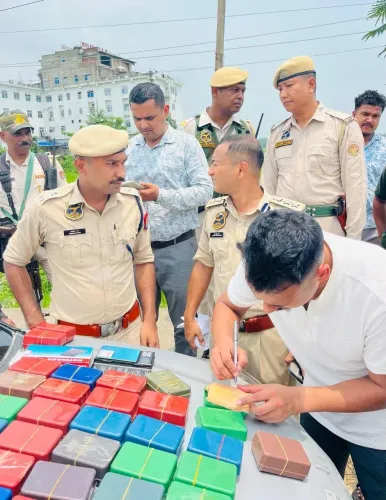
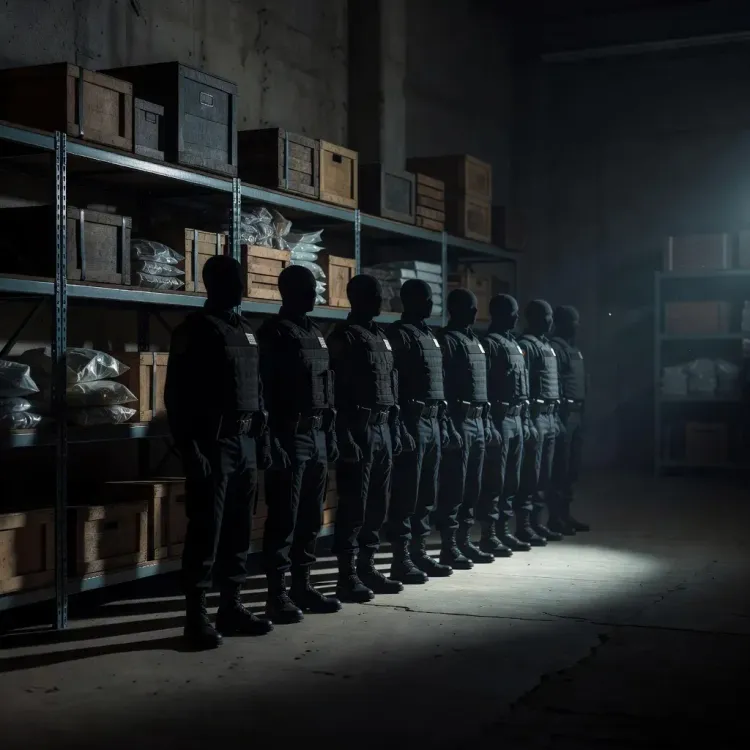
Operation Trident, conducted simultaneously across Assam, Manipur, and Mizoram, targeted the twin pipelines of drug trafficking and hawala money flows that have long shadowed the region. CM Sarma described the operation as 'a huge blow to the international drugs cartel,' signalling that the nexus disrupted was not merely local but plugged into cross-border networks. The three states sit at the edge of India's frontier with the Golden Triangle — the Myanmar-Laos-Thailand corridor that remains one of the world's most prolific narcotics-producing zones — making them both a transit corridor and an increasingly targeted market.
The simultaneous sweep across state lines is significant. Multi-state coordination of this kind requires active alignment between state police forces, central agencies, and political leadership — precisely the architecture the North-East Democratic Alliance (NEDA), which Sarma convenes, was designed to enable. Whether it is intelligence sharing or operational sync, NEDA's common political roof across several northeastern states has made joint enforcement drives of this scale logistically feasible.
Nasha Mukt Bharat and the 2029 deadline Sarma has set
CM Sarma anchored the operation squarely within the Union Government's Nasha Mukt Bharat Abhiyan, the national campaign launched in August 2020 by the Ministry of Social Justice and Empowerment to tackle substance abuse through enforcement, awareness, and rehabilitation. But he went further, staking out a concrete political commitment: making drugs 'a history by 2029.' That year is not chosen at random — it sits at the edge of the current electoral cycle and frames the anti-narcotics push as a measurable governance deliverable, not just a sentiment.
'The Union Govt and our State Govts in the North East are firm on tackling this menace,' Sarma wrote, framing Op Trident as part of 'relentless pursuit against the mafias.' The use of the word 'mafias' — plural — and the hawala angle together suggest law enforcement sees an organised financial architecture behind the drug trade, not just freelance trafficking.
Why the Northeast sits at the centre of India's drug battle
Northeast India has been a recurring theatre for anti-narcotics operations for decades. Its porous borders, mountainous terrain, and proximity to the Golden Triangle have made it a preferred entry point for heroin, methamphetamine, and other synthetic drugs moving toward India's interior. Successive central governments have escalated joint drives with Assam, Manipur, and Mizoram — the same three states named in Op Trident — specifically because those borders are hardest to police unilaterally. The hawala dimension adds a financial-crime layer: disrupting money flows can unravel trafficking networks more durably than seizing a single consignment.
The youth of the Northeast — the most directly vulnerable demographic — are the stated beneficiaries of this push. Whether Op Trident translates into sustained structural disruption or a single headline-grabbing sweep will be tested by what follows: official seizure figures, arrests, and any response from the Narcotics Control Bureau or the Ministry of Home Affairs.
The mafias have been warned. The clock to 2029 is running.
Point of View
CM Sarma is converting anti-narcotics enforcement into a measurable electoral promise, staking BJP's governance credibility in the Northeast on a visible, time-bound outcome. The hawala dimension also broadens the narrative from drug policing to organised financial crime, potentially drawing in central agencies and raising the political stakes. If seizure data and conviction rates follow through, this could become a template for BJP-governed northeastern states heading into the next cycle; if they do not, the 2029 pledge becomes a liability.
NationPress
25 Oct 2026
Frequently Asked Questions
What is Operation Trident in Northeast India?
Operation Trident is a coordinated anti-narcotics operation carried out across Assam, Manipur and Mizoram that targeted an international drug trafficking and hawala money nexus operating in the region, as announced by Assam CM Himanta Biswa Sarma on 25 October 2026.
What is Nasha Mukt Bharat and how does it relate to Op Trident?
Nasha Mukt Bharat Abhiyan is a Government of India campaign launched in August 2020 by the Ministry of Social Justice and Empowerment to eradicate drug abuse through enforcement, awareness and rehabilitation. CM Sarma explicitly cited this campaign as the overarching goal that Operation Trident serves.
Why is Northeast India a drug trafficking hotspot?
Northeast India shares borders close to the Golden Triangle — the Myanmar-Laos-Thailand corridor — which is one of the world's largest narcotics-producing zones. Its porous borders and mountainous terrain make it a major entry point for heroin and synthetic drugs moving into the Indian interior.
What is the 2029 drug-free target set by Himanta Biswa Sarma?
CM Himanta Biswa Sarma pledged in his 25 October 2026 post that relentless anti-drug operations would continue until drugs are made 'a history by 2029,' framing it as a concrete governance deadline for the BJP-led state governments in the Northeast.
What is hawala and why was it part of Op Trident?
Hawala is an informal money transfer system used to move funds outside formal banking channels. Its inclusion in Op Trident indicates that enforcement agencies are targeting the financial networks that sustain drug trafficking, as disrupting money flows can dismantle trafficking organisations more durably than single seizures.