CM Himanta Greets Karbi Anglong Council on 75th Foundation Day
Synopsis
Assam Chief Minister Himanta Biswa Sarma marked the 75th Foundation Day of the Karbi Anglong Autonomous Council on 23 June 2026, saluting the Karbi people's heritage and resilience and calling for continued peace and development in the Sixth Schedule region.
Key Takeaways
Assam CM Himanta Biswa Sarma extended greetings on the 75th Foundation Day of the Karbi Anglong Autonomous Council on 23 June 2026 .
The Council operates under the Sixth Schedule of the Constitution, which grants autonomous legislative and judicial powers to tribal district councils in the Northeast.
The Karbi Anglong Peace Accord of 2021 — signed under the Sarma government — promised enhanced council powers and a development package for the region.
Council elections are expected in 2026-27 , making political outreach to the Karbi community strategically significant for the ruling BJP .
The gesture mirrors the state government's broader pattern of engagement with Sixth Schedule bodies including the Bodoland Territorial Council and Dima Hasao Autonomous District Council .
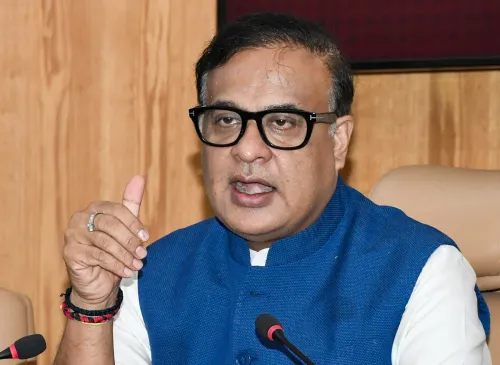
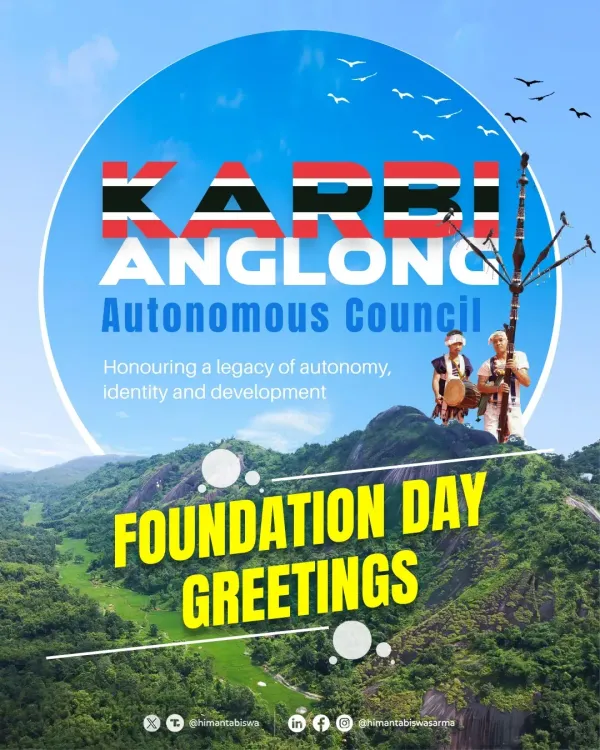
Assam Chief Minister Himanta Biswa Sarma on Tuesday, 23 June 2026, extended warm greetings to the people of Karbi Anglong on the 75th Foundation Day of the Karbi Anglong Autonomous Council, calling the milestone a reflection of the region's rich heritage, resilience and aspirations.
Context
In his post, Sarma wrote: 'Warm greetings on the 75th Foundation Day of the Karbi Anglong Autonomous Council. This milestone reflects the rich heritage, resilience and aspirations of the people of Karbi Anglong. May the Council continue to strengthen peace and development across the region and empower all.' The message marks seven-and-a-half decades since the autonomous council was constituted to represent the Karbi ethnic community in central Assam.
The Karbi Anglong Autonomous Council functions under the Sixth Schedule of the Constitution, a provision enacted in 1949-1950 that grants autonomous district councils in select tribal areas of the Northeast special legislative, judicial and land-related safeguards. The precursor Mikir Hills District was notified in 1951 before the region was reorganised and renamed as Karbi Anglong.
Policy Backdrop
The Sixth Schedule framework was designed to preserve the distinct identity and self-governance rights of tribal communities in Assam and neighbouring states. The Karbi Anglong Autonomous Council exercises legislative and executive authority over subjects such as land management, social customs and local administration within its jurisdiction.
A significant recent development was the Karbi Anglong Peace Accord of 2021, a tripartite agreement signed between the Central government, the Assam government and Karbi armed groups. The accord promised enhanced council powers, a financial package for development, and integration of former militants into the mainstream — a process that CM Sarma, who took office in 2021, has been closely associated with. Pending clauses of the accord relating to financial devolution and expanded administrative powers continue to be watched by stakeholders.
Stakeholders and Impact
The Karbi community, the largest tribal group in Karbi Anglong district, has historically sought greater autonomy and equitable development. The autonomous council model, mirrored in institutions such as the Bodoland Territorial Council and the Dima Hasao Autonomous District Council, has been the primary vehicle for channelling tribal aspirations within Assam's constitutional framework.
Successive state governments have paired autonomy with infrastructure investment and welfare schemes to address ethnic demands in the Northeast. Sarma's greeting reinforces the BJP-led state government's continued outreach to Sixth Schedule institutions, signalling political solidarity with tribal councils ahead of council elections expected in 2026-27.
What's Next
The Karbi Anglong Autonomous Council elections, anticipated in 2026-27, will be a key test of the political alignment between the council's leadership and the state's ruling dispensation. Implementation of the remaining provisions of the 2021 Karbi Anglong Peace Accord — particularly on financial devolution — will be closely monitored by the Karbi community and civil society groups.
Foundation Day observances often serve as occasions for governments to announce fresh development packages or policy commitments for autonomous councils. Whether CM Sarma's message is followed by substantive policy announcements for Karbi Anglong will determine the longer-term significance of this milestone.
Point of View
Particularly significant with council elections approaching in 2026-27. The BJP's Northeast strategy has consistently paired constitutional recognition of tribal autonomy with peace accords and development packages, and this greeting reinforces that alignment. With key clauses of the 2021 Karbi Anglong Peace Accord still pending implementation, symbolic gestures like this also serve as soft pressure signals on the pace of devolution. The 75th milestone provides a natural platform to reassert the state government's commitment to tribal governance without making binding new commitments.
NationPress
23 Jun 2026
Frequently Asked Questions
What is the Karbi Anglong Autonomous Council?
The Karbi Anglong Autonomous Council is an autonomous district council constituted under the Sixth Schedule of the Indian Constitution to govern tribal affairs in Karbi Anglong district of Assam, with powers over land, social customs and local administration.
Why is Himanta Biswa Sarma greeting the Karbi Anglong Council?
Assam Chief Minister Himanta Biswa Sarma extended greetings on the occasion of the Council's 75th Foundation Day on 23 June 2026, recognising the heritage and aspirations of the Karbi people.
What is the Sixth Schedule of the Indian Constitution?
The Sixth Schedule, enacted in 1949-1950, is a constitutional provision that establishes autonomous district councils in tribal areas of Northeast India, granting them special legislative, judicial and land-related safeguards.
What was the Karbi Anglong Peace Accord of 2021?
The Karbi Anglong Peace Accord of 2021 was a tripartite agreement between the Central government, the Assam government and Karbi armed groups, promising enhanced council powers, a development package and integration of former militants into the mainstream.
When are the next Karbi Anglong Autonomous Council elections?
Council elections for the Karbi Anglong Autonomous Council are expected to be held in 2026-27, making the current period politically significant for parties seeking influence in the region.