CM Himanta Hails Karbi Anglong's Leap From Insurgency to Records
Synopsis
Assam CM Himanta Biswa Sarma highlighted Karbi Anglong's transformation from ethnic insurgency to world-record performance, crediting the 2021 peace accord and BJP governance as the turning point for the autonomous hill district.
Key Takeaways
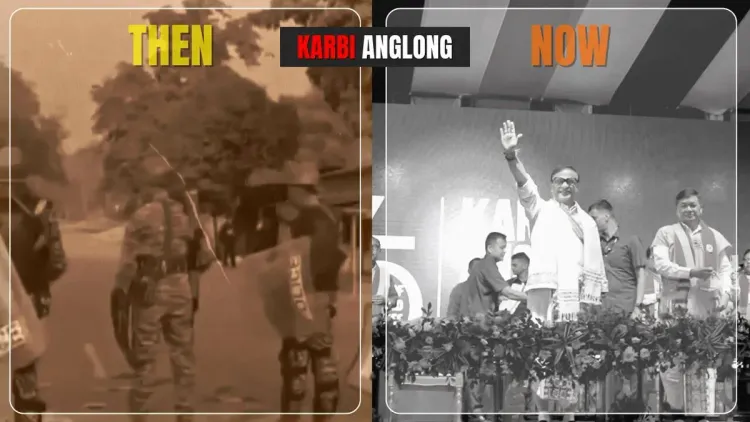
Assam CM Himanta Biswa Sarma posted on November 20, 2026 , citing Karbi Anglong's journey 'from violence to world record' as evidence of governance impact.
In September 2021 , the Assam government signed a peace accord with five Karbi militant outfits , bringing over 1,000 cadres into the mainstream.
The accord is widely regarded as the most comprehensive peace settlement in Karbi Anglong's post-independence history.
CM Sarma's phrase 'one right vote' frames the transformation as a direct electoral dividend of BJP -led governance.
The specific world-record achievement referenced in the post has not yet been independently verified from public record.
Official development data for Karbi Anglong under the peace accord's implementation packages is expected in coming months.
A district once synonymous with ethnic militancy is now, according to Assam Chief Minister Himanta Biswa Sarma, setting world records — and on Friday, November 20, 2026, he made sure the country noticed. In a pointed post on X, the Chief Minister framed Karbi Anglong's transformation as the direct dividend of a single political choice.
From surrender to world-record stage: the Karbi Anglong arc
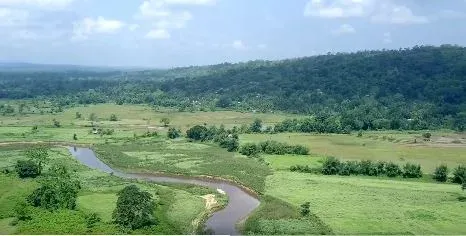
Not long ago, Karbi Anglong — Assam's largest autonomous hill district — was defined by decades of ethnic insurgency. Five Karbi militant outfits kept the region in a cycle of violence, displacement, and stalled development. That changed in September 2021, when the Assam government signed a landmark peace accord with all five groups, bringing over 1,000 armed cadres into the mainstream and unlocking a package of development investment for the district.
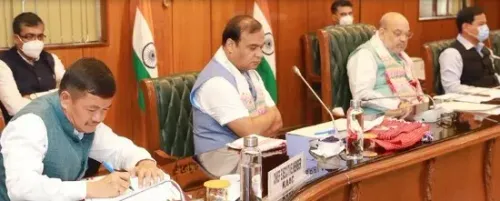
The accord, negotiated under CM Sarma's watch in the early months of his tenure, was billed as the most comprehensive peace settlement in Karbi Anglong's post-independence history. Former insurgents laid down arms; the state government committed to rehabilitation, infrastructure, and livelihood programmes. Five years on, Sarma's post signals that the bet has paid off in ways that now reach a global stage — a 'world record setting performance' his caption credits to the peace dividend, though the specific achievement referenced in the accompanying video has not been independently verified from public record.
The 'one right vote' message: electoral credit, regional pattern
The language CM Sarma chose — 'one right vote' — is deliberate and double-edged. It is simultaneously a governance report card and a political argument: that electoral consolidation under the BJP-led alliance unlocked peace, and peace unlocked potential. It is a framing the party has pressed consistently across the Northeast, where the North-East Democratic Alliance (NEDA) — which Sarma convenors — has sought to link ballot outcomes to measurable ground-level change in former conflict zones.
The broader pattern is visible across other NEDA states: post-accord stability presented as proof that the right political alignment brings not just order but opportunity. Karbi Anglong's journey from violence to a world-record headline is the sharpest version of that argument Assam's BJP has yet been able to make.
What the district's transformation signals for the Northeast
For Karbi Anglong's residents — many of whom lived through curfews, militant taxation, and displacement — the symbolism of a world-record achievement emerging from their district carries weight beyond politics. The rehabilitation of over a thousand former cadres represents a social reintegration challenge that few Indian states have managed at scale. That the region is now producing performers capable of attracting international attention, if confirmed, would mark a generational shift.
Official performance data and scheme implementation reports for Karbi Anglong are expected in the coming months, which will offer a fuller picture of whether the development packages promised under the 2021 peace accord have translated into durable gains on the ground. The world-record claim, once verified, could become the most vivid data point in that ledger.
Karbi Anglong's story is not finished — but the arc from armed camps to a world-record stage is exactly the kind of narrative that reshapes how a district, and a government's legacy, gets remembered.
Point of View
Emotionally resonant achievement five years on. The 'one right vote' framing is a template the BJP has refined across the Northeast: convert security gains into electoral capital by making stability feel like a voter's personal choice. The world-record peg, if verified, would give this argument its most powerful evidence yet. What remains to be tested is whether the broader development commitments of the 2021 accord — rehabilitation, infrastructure, livelihoods for over a thousand former cadres — have kept pace with the symbolic milestones being highlighted.
NationPress
20 Nov 2026
Frequently Asked Questions
What is the Karbi Anglong peace accord?
The Karbi Anglong peace accord was signed in September 2021 between the Assam government and five Karbi militant outfits, resulting in the surrender of over 1,000 armed cadres and a package of development investment for the autonomous hill district.
What world record is Karbi Anglong associated with in 2026?
Assam CM Himanta Biswa Sarma's post references a 'world record setting performance' from Karbi Anglong, but the specific achievement has not been independently verified from public record as of this report.
Who is Himanta Biswa Sarma?
Himanta Biswa Sarma is the Chief Minister of Assam since 2021 , a senior BJP leader, and the convenor of the North-East Democratic Alliance (NEDA) , a coalition that governs most Northeastern states.
What was the history of insurgency in Karbi Anglong?
Karbi Anglong experienced decades of ethnic insurgency involving multiple Karbi militant groups that disrupted development and displaced communities before the 2021 peace accord brought them into the mainstream.
What is NEDA and what role does Himanta Biswa Sarma play in it?
The North-East Democratic Alliance (NEDA) is a BJP-led political alliance that governs most Northeastern states; Himanta Biswa Sarma serves as its convenor and uses it to consolidate regional electoral alliances.