CM Himanta Hails River Island Healthcare Push in Assam
Synopsis
Assam Chief Minister Himanta Biswa Sarma on 8 October 2026 praised a river-based healthcare initiative reaching mothers and newborns on the state's remote char islands, calling Assam's rivers a new pathway to last-mile health delivery.
Key Takeaways
Assam CM Himanta Biswa Sarma publicly praised a healthcare outreach initiative on 8 October 2026 .
The programme uses river routes to deliver medical services to Assam's char (river island) communities.
The Chief Minister specifically highlighted mothers and newborns as the primary beneficiaries of the initiative.
Sarma described the initiative as a model of 'last mile' service, reframing Assam's rivers as healthcare infrastructure rather than barriers.
Credit was directed at frontline health teams executing the programme on the ground.
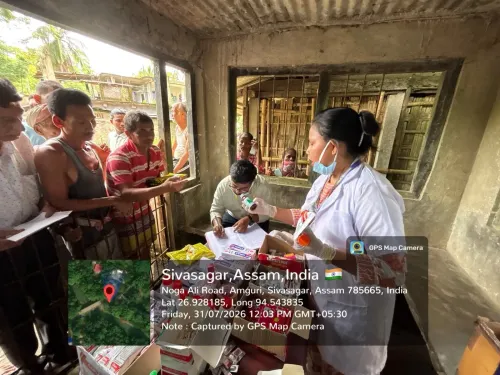
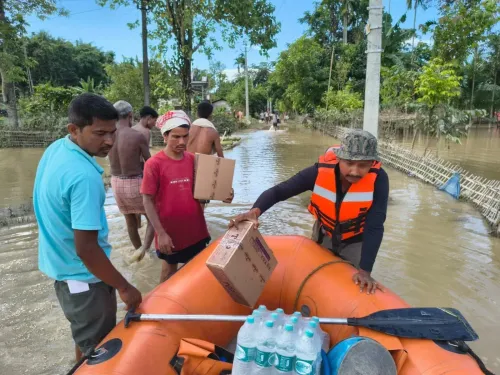
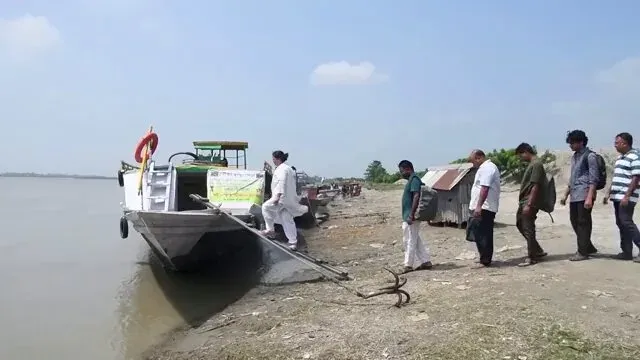
Boats carrying nurses, medicines, and hope are now navigating Assam's river islands — and Assam Chief Minister Himanta Biswa Sarma wants the country to take notice. On Thursday, 8 October 2026, the Chief Minister praised a healthcare outreach initiative bringing medical services directly to mothers and newborns living on the state's remote chars — the low-lying river islands that dot the Brahmaputra and its tributaries, long cut off from routine government delivery.
Life on the Chars — and Why Healthcare Never Reached There
Assam's river islands, or chars, are home to hundreds of thousands of residents, many of them from economically marginalised communities. Seasonal flooding, shifting sandbanks, and a near-total absence of road connectivity have historically made these settlements the hardest to serve. For pregnant women and newborns in particular, the distance to the nearest primary health centre has often meant the difference between a safe delivery and a preventable tragedy.
The Chief Minister's post singled out mothers and newborns as the primary beneficiaries, framing riverine outreach as the truest definition of 'last mile' service — a phrase that captures the final, hardest stretch of public delivery that separates policy on paper from impact on the ground.
Rivers as a Healthcare Corridor
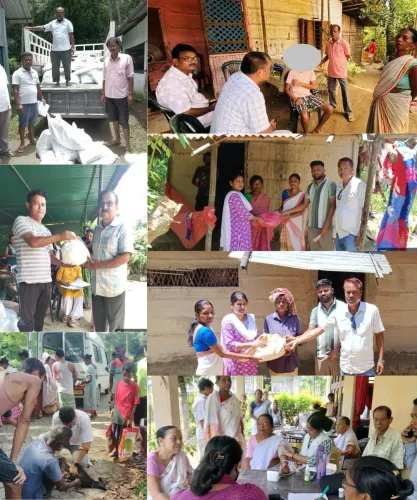
Sarma described Assam's rivers as becoming 'a pathway to healthcare' — a deliberate reframing of geography that has long been treated as an obstacle into active infrastructure. The initiative, carried out by frontline health teams, uses waterways to reach communities that road-based ambulances and mobile health units simply cannot access. By routing services through the river network rather than around it, the effort inverts the conventional logic of last-mile delivery.
The Chief Minister extended his appreciation to the teams executing the programme, placing the credit with field workers rather than administration — a signal of where the operational weight of this kind of initiative actually lies.
Maternal and Newborn Health: Assam's Longstanding Challenge
Assam has historically recorded among the higher maternal mortality ratios of any Indian state, a stubborn data point that successive governments have worked to bring down through facility upgrades, incentive schemes for institutional deliveries, and community health worker programmes. River island communities, precisely because they fall outside conventional administrative reach, have represented the sharpest edge of that challenge. An initiative that uses the river itself as the delivery channel addresses a gap that land-based infrastructure alone cannot close.
Whether this is a standalone pilot or part of a broader, formalised fleet-based health delivery structure remains to be reported — but the Chief Minister's public endorsement places it firmly on the state's visible policy agenda.
Point of View
Historically associated with vulnerability and neglect, into an asset for governance delivery. Highlighting mothers and newborns draws the sharpest possible contrast with the state's high maternal mortality legacy, positioning this initiative within a long-running push to improve health outcomes in marginalised communities. The framing of 'rivers as pathways' also has a broader optic value for the BJP-led state government ahead of continued scrutiny on social indicators in the Northeast. Whether this endorsement translates into formalised, scaled river-health infrastructure will be the real test of its policy ambition.
NationPress
8 Oct 2026
Frequently Asked Questions
What is the river island healthcare initiative in Assam?
It is a health outreach programme that uses river routes to deliver medical services — particularly maternal and newborn care — to Assam's remote char (river island) communities that are inaccessible by road.
What are char islands in Assam?
Chars are low-lying river islands formed by sediment deposits in the Brahmaputra and its tributaries. They are home to hundreds of thousands of residents who face severe challenges in accessing government services due to seasonal flooding and lack of road connectivity.
Why is maternal health a concern in Assam's river islands?
Assam has historically recorded high maternal mortality ratios, and char island communities are among the hardest to reach. Pregnant women and newborns on these islands often cannot access primary health centres in time due to geographic isolation.
What did Himanta Biswa Sarma say about the river healthcare programme?
CM Sarma called it a model of 'last mile' service and said Assam's rivers are becoming 'a pathway to healthcare,' praising the field teams behind the initiative for reaching mothers and newborns on remote islands.
Is Assam using boats to deliver healthcare to remote areas?
Yes, the initiative praised by CM Sarma uses waterways to route health services to river island communities, leveraging the river network as healthcare infrastructure rather than treating it as a barrier.