CM Himanta heads to Dibrugarh to survey flood-hit areas

Synopsis
Assam Chief Minister Himanta Biswa Sarma is travelling to flood-hit Dibrugarh on 2 August 2026 to meet affected residents, review relief operations, and initiate a structured damage assessment to ensure compensation reaches those impacted by the monsoon floods.
Key Takeaways
CM Himanta Biswa Sarma announced on 2 August 2026 he is heading to Dibrugarh to survey flood-affected areas in person.
The visit covers three objectives: meeting flood-affected residents, overseeing ongoing relief efforts, and launching a formal damage assessment exercise.
Dibrugarh , on the Brahmaputra in upper Assam, is among the state's most flood-vulnerable districts and is impacted almost every monsoon season.
A structured assessment survey is the mandatory prerequisite for releasing state and central government flood compensation to affected families.
The Chief Minister's personal presence at the assessment groundwork phase is intended to accelerate survey timelines and ensure appropriate compensation delivery.
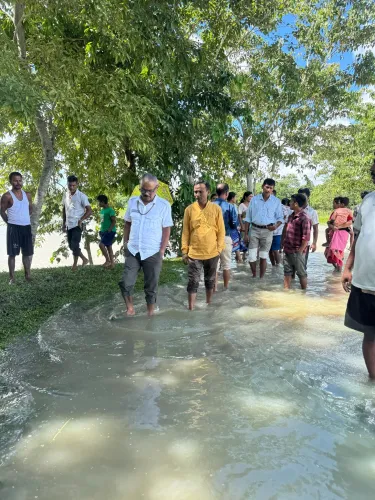
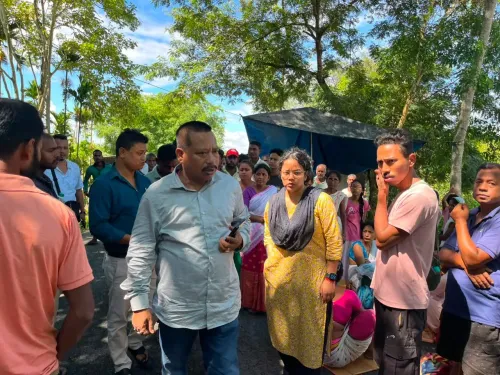
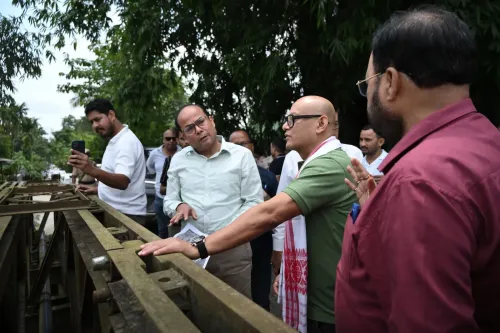
Flood waters have once again closed in on upper Assam, and Assam Chief Minister Himanta Biswa Sarma is on his way to the front lines. On Sunday, 2 August 2026, the Chief Minister announced he would travel to Dibrugarh and then proceed directly to flood-affected areas to meet residents, oversee relief operations, and initiate a formal damage assessment exercise aimed at ensuring appropriate compensation to those impacted.
Dibrugarh at the centre of the monsoon crisis
Dibrugarh, a district and city perched on the banks of the Brahmaputra in upper Assam, sits in one of the country's most flood-vulnerable corridors. The Brahmaputra and its tributaries swell every monsoon season, inundating farmland, cutting off villages, and displacing thousands of families in a cycle that repeats with grim reliability. This year is no different.
Sarma's visit signals that the state government is moving beyond remote coordination. His stated agenda — meeting affected people personally, reviewing ongoing relief efforts on the ground, and laying the groundwork for what he called a 'full proof assessment exercise' — points to a structured compensation push, not just immediate relief.
What the assessment exercise means for flood victims
In Assam's annual flood response playbook, the damage assessment survey is the critical step between disaster and disbursement. State governments are required to conduct systematic surveys of crop loss, housing damage, and livestock deaths before ex-gratia payments and compensation can be released — both from state disaster relief funds and, in severe cases, from central government allocations.
By personally anchoring the assessment groundwork, Sarma is placing accountability at the top. The Chief Minister's presence typically accelerates bureaucratic timelines and signals to district administrations that delays in survey completion will not be tolerated. For the flood-affected residents of Dibrugarh, that signal matters as much as the visit itself.
Assam's recurring monsoon burden
Assam loses billions of rupees to flood damage every year. The Brahmaputra basin's geography — wide, braided channels, steep upstream gradients, and heavy monsoon rainfall — makes large-scale inundation almost structurally inevitable. Chief Ministers across administrations have made on-ground flood visits a near-annual ritual, but the scale of the crisis has consistently outpaced the speed of compensation delivery.
Whether this season's assessment exercise translates into faster, wider relief disbursement will be the measure of the visit's real impact — and that answer will come in the weeks ahead.
Point of View
' suggesting the government is aware that compensation bottlenecks, not just immediate relief, are a recurring political vulnerability. For a BJP administration that has staked its Assam identity on efficient delivery, the speed and reach of the eventual disbursement will matter far more than the optics of the visit itself. The broader test is whether this season breaks Assam's chronic cycle of adequate sympathy but slow compensation.
NationPress
2 Aug 2026
Frequently Asked Questions
Why is Assam CM Himanta Biswa Sarma visiting Dibrugarh?
Chief Minister Himanta Biswa Sarma is visiting Dibrugarh on 2 August 2026 to meet flood-affected residents, review ongoing relief efforts, and initiate a formal damage assessment exercise to ensure appropriate compensation is delivered to those affected by monsoon flooding.
Which areas of Assam are affected by floods in 2026?
Dibrugarh in upper Assam is among the districts affected. The Brahmaputra river and its tributaries cause recurrent seasonal flooding across multiple Assam districts every monsoon; specific details of the 2026 flood extent are being assessed.
What is a flood damage assessment exercise in Assam?
A flood damage assessment survey is the official process by which state authorities document crop loss, housing damage, and livestock deaths. This survey is mandatory before ex-gratia payments and compensation from state or central disaster relief funds can be disbursed to affected families.
How often does Dibrugarh face flooding?
Dibrugarh, located on the banks of the Brahmaputra in upper Assam, faces flooding almost every monsoon season due to the river's geography and heavy seasonal rainfall, making it one of the state's most flood-vulnerable districts.
What compensation can Assam flood victims expect?
Flood victims in Assam are eligible for ex-gratia payments and compensation under state disaster relief funds, and in severe cases under central government allocations. The amount depends on the outcome of the official damage assessment survey being initiated by CM Sarma's visit.