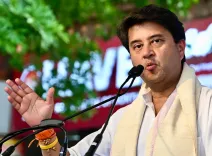
CM Himanta Joins Rath Yatra at Garal Bhaktabari
Synopsis
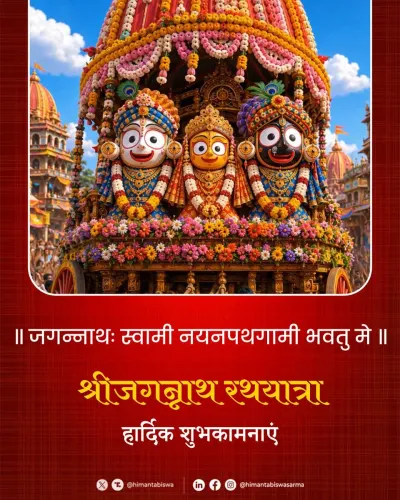
Assam Chief Minister Himanta Biswa Sarma joined the Rath Yatra at Garal Bhaktabari on 25 July 2026, seeking the blessings of Mahaprabhu Jagannath. The annual chariot festival, a local variant of the pan-India Hindu observance, was also broadcast live, extending its reach to a wider audience of devotees across the state.
Key Takeaways
Assam Chief Minister Himanta Biswa Sarma participated in the Rath Yatra at Garal Bhaktabari on 25 July 2026 .
He sought the blessings of Mahaprabhu Jagannath , a form of Vishnu central to the chariot festival tradition.
The event was broadcast live, expanding access for devotees beyond the physical venue.
Garal Bhaktabari in Assam hosts a local variant of the Rath Yatra, which originates in Puri, Odisha .
The attendance reflects a broader pattern of BJP leaders engaging with Hindu cultural and religious festivals as part of public outreach.
Such participation may support the state's growing interest in cultural tourism and heritage promotion in Assam .
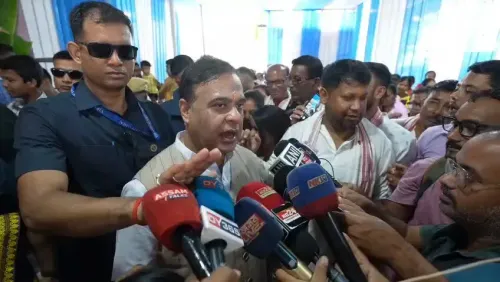
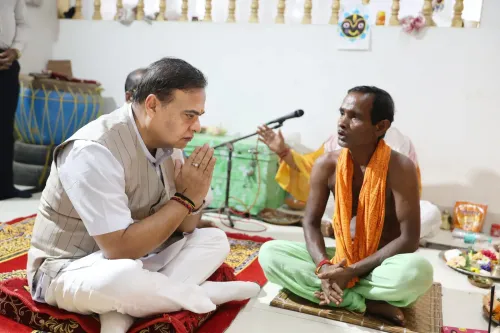
Assam Chief Minister Himanta Biswa Sarma participated in the sacred Rath Yatra at Garal Bhaktabari on Friday, 25 July 2026, seeking the blessings of Mahaprabhu Jagannath as the annual chariot festival was observed at the site. The Chief Minister shared his participation on social media, describing the occasion as a moment of devotion and spiritual engagement.
Context
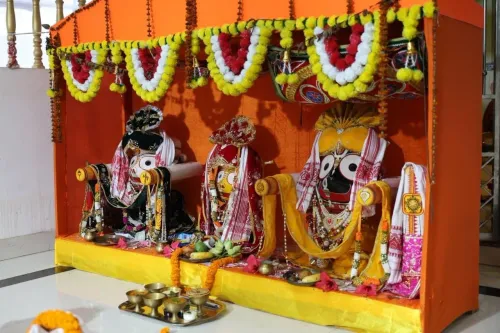
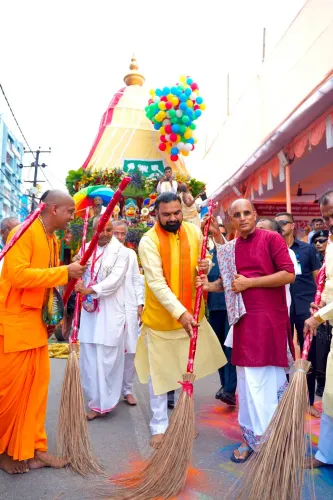
The Rath Yatra is one of Hinduism's most widely observed festivals, honouring Lord Jagannath — a form of Vishnu — through elaborate chariot processions. While the festival's most celebrated observance originates at Puri, Odisha, local variants are held across Indian states each year, drawing large congregations of devotees. Garal Bhaktabari in Assam is among the sites that host such a procession, reflecting the festival's reach beyond its Odishan heartland.
Chief Minister Sarma's post stated he was 'seeking the blessings of Mahaprabhu Jagannath and joining the sacred Rath Yatra at Garal Bhaktabari,' underlining the personal and devotional character of his attendance. The event was also broadcast live, indicating a wider public outreach dimension to the occasion.
Policy Backdrop
Participation in major religious and cultural festivals is a consistent feature of public engagement for Indian state leaders, particularly in the BJP-governed states where promotion of Hindu cultural traditions forms part of the broader governance and outreach approach. In Assam, the Sarma administration has in recent years taken steps to promote regional cultural identity alongside mainstream Hindu observances. Such participation at local festival sites also helps highlight grassroots religious traditions that might otherwise receive limited public attention.
The North-East Democratic Alliance (NEDA), of which Himanta Biswa Sarma serves as convenor, has positioned cultural and religious cohesion as part of its regional political outreach across the eight north-eastern states. Attendance at events like the Garal Bhaktabari Rath Yatra fits within that broader pattern of engagement with local communities and their traditions.
Stakeholders and Impact
The primary beneficiaries of high-profile political participation in such events are local devotee communities, whose festivals gain visibility and, in some cases, state support for infrastructure and organisation. For Assam's Hindu communities, the Chief Minister's presence at Garal Bhaktabari signals official recognition of locally observed traditions beyond the state's major urban centres. The live broadcast further extended the reach of the event to devotees who could not attend in person.
Cultural tourism in Assam has been an area of growing state interest, and the documentation of festivals such as this one contributes to a wider inventory of religious and heritage sites the state can promote. Local organisers and priests at such events often see political attendance as an affirmation of the festival's significance.
What's Next
The Rath Yatra is an annual observance, and the Chief Minister's participation this year may set a precedent for continued official engagement with the Garal Bhaktabari celebration in subsequent years. Observers will watch whether the state government follows up with any cultural tourism or heritage-promotion initiatives linked to local Jagannath traditions in Assam. The broader calendar of religious festivals in the state offers further occasions for similar public outreach by the administration.
Point of View
Non-metropolitan festival site, signalling an effort to extend official recognition to grassroots religious traditions beyond Assam's urban centres. As NEDA convenor, Sarma's cultural engagement also carries a regional dimension, reinforcing a narrative of Hindu cultural continuity across the north-east. Whether such participation translates into tangible state support — heritage grants, tourism infrastructure, or festival funding — will determine its long-term policy significance.
NationPress
24 Jul 2026
Frequently Asked Questions
What is Rath Yatra and why is it celebrated?
Rath Yatra is an annual Hindu chariot festival honouring Lord Jagannath, a form of Vishnu. Devotees pull large decorated chariots through the streets as an act of devotion; the festival originates in Puri, Odisha, but is observed in local variants across India.
Where is Garal Bhaktabari and what is its significance?
Garal Bhaktabari is a site in Assam that hosts a local Rath Yatra procession. Chief Minister Himanta Biswa Sarma's attendance on 25 July 2026 brought official recognition to this locally observed celebration.
Why did Himanta Biswa Sarma attend the Rath Yatra?
Sarma stated he was seeking the blessings of Mahaprabhu Jagannath and joining the sacred Rath Yatra at Garal Bhaktabari, reflecting personal devotion as well as a broader pattern of official engagement with Hindu festivals in Assam.
Is Rath Yatra celebrated in Assam?
Yes, Rath Yatra is observed in Assam through local chariot processions at various sites, including Garal Bhaktabari, alongside the major national observance centred in Puri, Odisha.
What is NEDA and what role does Himanta Biswa Sarma play in it?
The North-East Democratic Alliance (NEDA) is a political alliance of BJP and allied parties across India's eight north-eastern states. Himanta Biswa Sarma serves as its convenor and is also the Chief Minister of Assam since 2021.