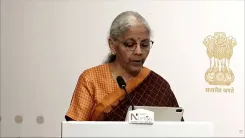
CM Himanta Launches NijutMoina & Nijutbabu for 7 Lakh Students
Synopsis
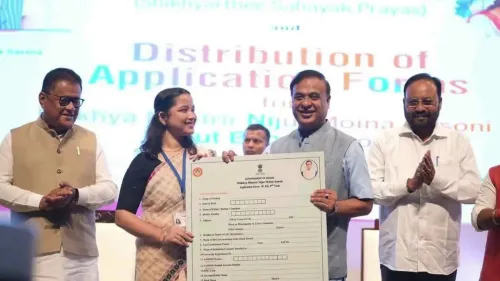
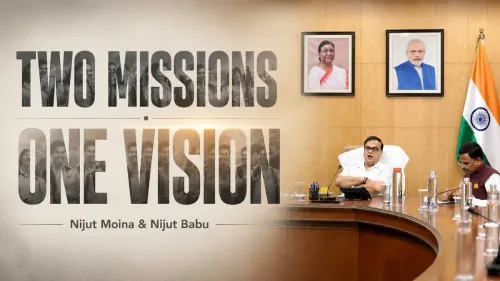
Assam Chief Minister Himanta Biswa Sarma presided over a state-wide form distribution ceremony for NijutMoina and Nijutbabu schemes on August 6, 2026, drawing over 7 lakh students and pledging direct state support so they can focus on their education.
Key Takeaways
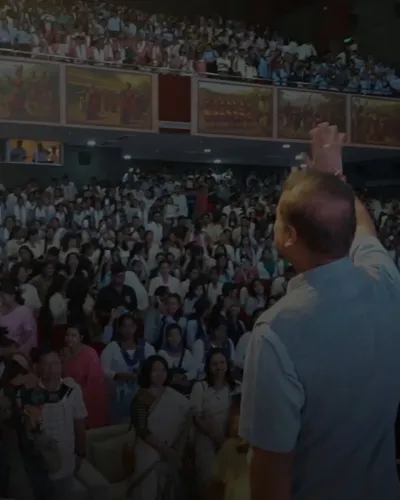
Over 7 lakh students from across Assam participated in the form distribution ceremony on August 6, 2026 .
The event covered two schemes: NijutMoina and Nijutbabu , both framed as student welfare and direct-benefit programmes.
CM Himanta Biswa Sarma personally addressed students, urging them to focus solely on studies while the state handles support.
The simultaneous state-wide format signals significant administrative reach across all districts of Assam.
The next critical phase involves application verification, disbursement, and budget allocation for the coming academic year.
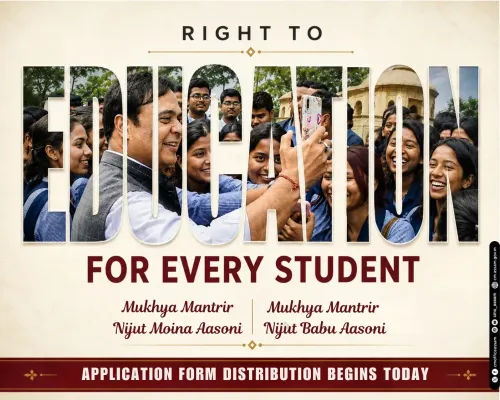
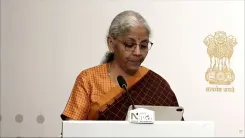
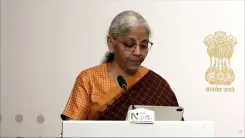
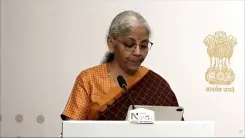
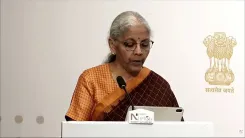
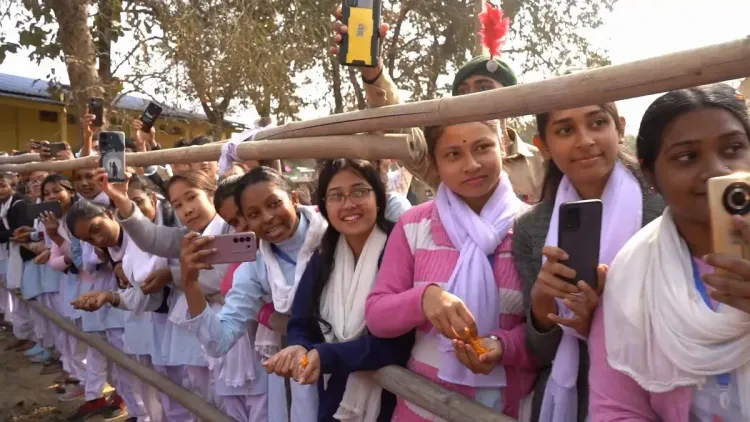
More than 7 lakh students gathered across Assam on August 6, 2026, as Assam Chief Minister Himanta Biswa Sarma presided over the form distribution ceremony for two student welfare schemes — NijutMoina and Nijutbabu — promising to shoulder the burden so young Assamese can focus on one thing: their studies.
7 Lakh Students, One Shared Moment
The scale of Thursday's turnout tells its own story. Students from every corner of the state converged for the ceremony, making it one of the largest single-day student welfare mobilisations the state has seen in recent memory. CM Sarma addressed the crowd with a direct message: 'just focus on your studies and excel in life, we will take care of the rest.' That promise — simple, personal, unhedged — landed at the heart of the event.
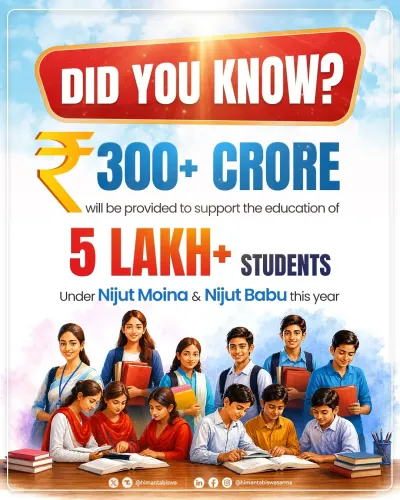
The two schemes, NijutMoina and Nijutbabu, are positioned as direct-benefit programmes aimed at easing the financial and logistical pressures that often pull students away from classrooms. The form distribution marks the formal entry point for students into the benefit pipeline.
Assam's Tradition of Student-Facing Welfare
The launch fits a pattern the Assam government has built since 2016 — periodic, targeted student support measures layered alongside broader infrastructure and access initiatives. The current administration has consistently prioritised direct-benefit schemes for school and college students as a centrepiece of its welfare agenda, framing education support not as charity but as state investment in a generation.
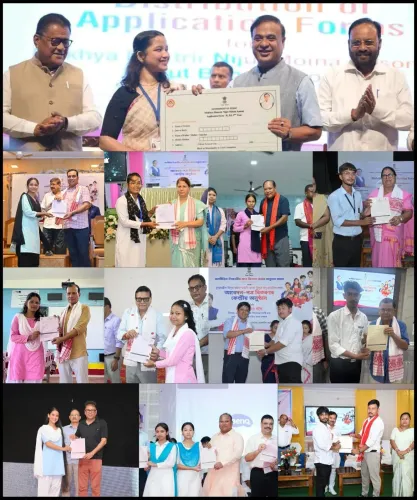
What distinguishes Thursday's event is the simultaneous, state-wide format — a single ceremony replicated across districts, signalling administrative reach and political intent in equal measure.
What Comes After the Form
The ceremony is the beginning, not the end. The real test lies in the rollout: verification of applications, disbursement timelines, and whether budget allocations in the coming academic year match the ambition of the announcement. With 7 lakh students now in the pipeline, execution at scale will define whether the promise holds.
For now, the message from Dispur is clear — the state is betting on its students, and it wants them to know it.
Point of View
State-wide ceremony with 7 lakh students, CM Sarma converts a bureaucratic form-filling exercise into a high-visibility political moment. It reinforces the BJP-led government's positioning in Assam as a direct-benefit, youth-first administration ahead of future electoral cycles. The personal, conversational tone — 'we will take care of the rest' — is calibrated to build affective loyalty among first-generation beneficiaries and their families. The real credibility test, however, will come at disbursement, where the gap between ceremony and delivery is historically where student schemes lose momentum.
NationPress
6 Aug 2026
Frequently Asked Questions
What are the NijutMoina and Nijutbabu schemes in Assam?
NijutMoina and Nijutbabu are student welfare schemes launched by the Assam government under Chief Minister Himanta Biswa Sarma, designed to provide direct benefits to students across the state. The form distribution ceremony held on August 6, 2026 was the formal entry point for over 7 lakh students into the programme.
How many students attended the NijutMoina Nijutbabu form distribution ceremony?
Over 7 lakh students from across Assam participated in the state-wide form distribution ceremony held on August 6, 2026.
What did CM Himanta Biswa Sarma say at the NijutMoina launch?
CM Sarma urged students to focus only on their studies and excel in life, assuring them that the state government would take care of the rest — a direct, personal message delivered at the ceremony.
Who is eligible for the NijutMoina and Nijutbabu schemes?
The exact eligibility criteria for NijutMoina and Nijutbabu have not been officially detailed in publicly verified records as yet. Students who attended the form distribution ceremony on August 6, 2026 are in the first phase of the application process.
What happens after the NijutMoina form distribution in Assam?
After form distribution, the next steps involve verification of applications, determination of eligible beneficiaries, and disbursement of benefits, with budget allocations expected to be confirmed in the coming academic year.