CM Himanta meets Moran, Matak leaders on key community concerns
Synopsis
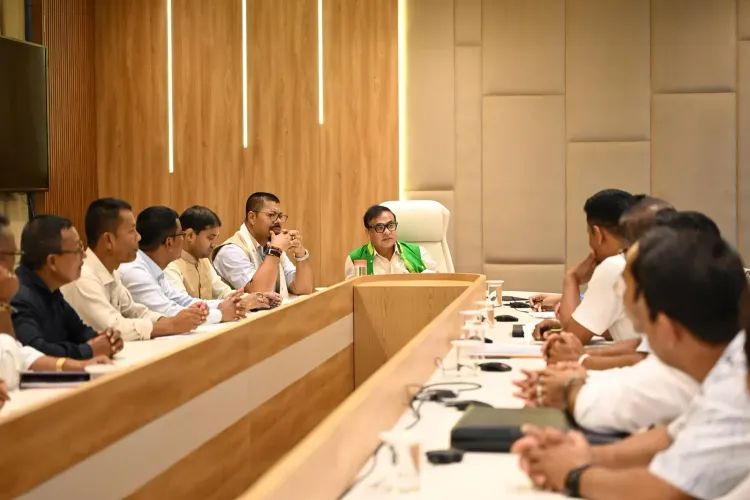
Assam Chief Minister Dr. Himanta Biswa Sarma held separate meetings with Moran and Matak community leaders on October 14, discussing council elections, education, healthcare, socio-economic development, and cultural heritage preservation, reaffirming the state government's commitment to their interests.
Key Takeaways
CM Himanta Biswa Sarma met representatives of the Moran and Matak communities separately on October 14, 2026 .
The agenda covered council elections, education, healthcare, and socio-economic development .
Preservation of the communities' cultural heritage was a key concern raised in both meetings.
The Chief Minister reaffirmed the state government's commitment to safeguarding the communities' interests.
Both communities are historically rooted in upper Assam and have longstanding demands around autonomous council governance and tribal status.
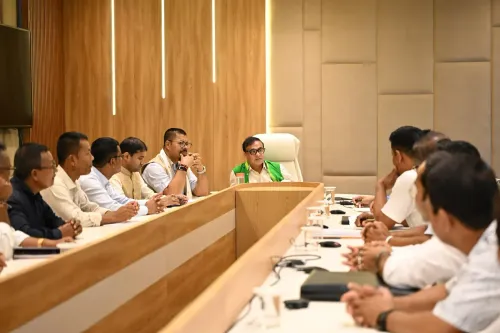
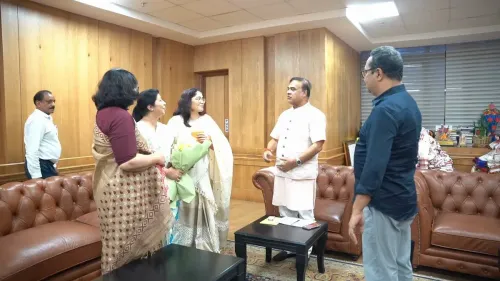
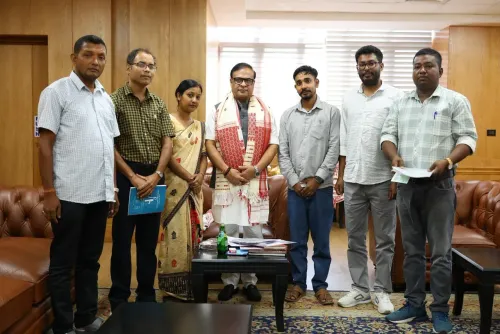
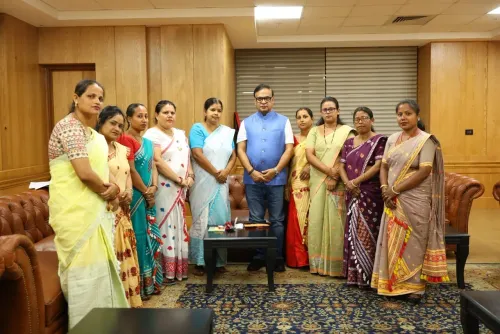
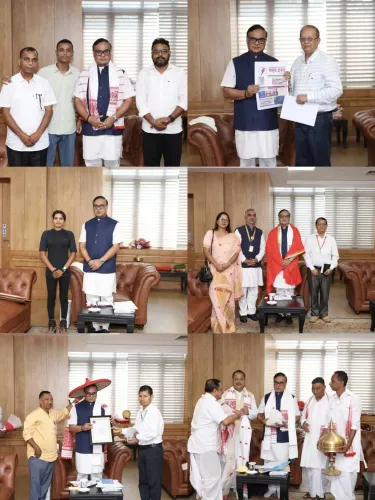
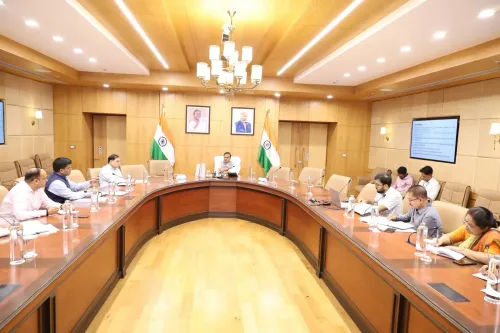
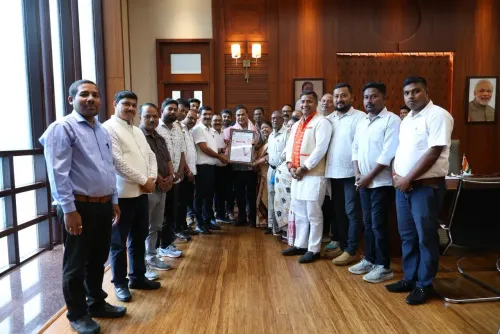
Two of Assam's historically significant indigenous communities got direct access to the state's top office on Wednesday, October 14, 2026 — as Chief Minister Dr. Himanta Biswa Sarma held back-to-back meetings with representatives of the Moran and Matak communities to hear out their concerns and lay the groundwork for concrete action.
What was on the table: council elections, schools, and livelihoods
The discussions, confirmed by the Chief Minister's Office of Assam, spanned a wide brief — from the long-pending matter of council elections to on-the-ground realities of education, healthcare, and socio-economic development. Both communities also raised questions around the preservation of their cultural heritage, an issue that carries particular weight for groups whose distinct identities have historically risked being subsumed in broader administrative and demographic changes across the Northeast.
CM Himanta reaffirmed the state government's commitment to safeguarding the interests of both communities and addressing their aspirations. The meetings were held separately, allowing each group dedicated time to voice its specific concerns.
Who are the Moran and Matak communities?
The Moran and Matak are among Assam's oldest indigenous communities, with deep historical roots in the upper Assam region — particularly across districts such as Dibrugarh, Tinsukia, and Sivasagar. Both communities played a notable role in Assamese history, including during the early spread of Vaishnavism and in resistance against Burmese invasions. Their demands for scheduled tribe status and greater political representation through autonomous councils have been recurring points of engagement with successive state governments.
The council election question
The specific mention of council elections in the agenda signals that the administrative structure governing these communities — and the democratic processes within it — remains an active pressure point. Autonomous councils are a key instrument through which indigenous communities in the Northeast exercise self-governance over local affairs, and delays or disputes around their elections tend to generate significant political friction.
By engaging both communities in person and at the highest level, CM Himanta is signalling that these concerns will receive direct executive attention rather than being routed through departmental channels alone — a gesture that carries both political and administrative weight in the run-up to future electoral cycles in Assam.
Whether today's assurances translate into a clear timeline on council elections and development deliverables will be the real measure of these consultations.
Point of View
Separate meetings signal that the Moran and Matak communities remain politically significant constituencies that the Himanta government cannot afford to address through bureaucratic proxies alone. The explicit mention of council elections places an administrative accountability marker on the table — one that community leaders will likely track closely. For a government that has positioned itself as a champion of indigenous rights in the Northeast, translating these consultations into a visible election timeline and development outcomes will be critical to maintaining credibility with both groups ahead of future state polls.
NationPress
14 Oct 2026
Frequently Asked Questions
Who are the Moran and Matak communities in Assam?
The Moran and Matak are among Assam's oldest indigenous communities, historically based in upper Assam districts such as Dibrugarh, Tinsukia, and Sivasagar. They have longstanding demands for scheduled tribe status and greater self-governance through autonomous councils.
Why did CM Himanta meet Moran and Matak representatives?
CM Himanta Biswa Sarma met their representatives on October 14, 2026 to discuss their concerns and aspirations, including council elections, education, healthcare, socio-economic development, and the preservation of their cultural heritage.
What is the status of Moran and Matak council elections in Assam?
Council elections were flagged as a key agenda item in the October 14 meetings, indicating the matter remains unresolved. No specific timeline was publicly announced following the discussions.
What commitments did the Assam government make to Moran and Matak communities?
The Chief Minister reaffirmed the state government's commitment to safeguarding the communities' interests, preserving their cultural heritage, and addressing their concerns across education, healthcare, and socio-economic development.
Where are the Moran and Matak communities located in Assam?
Both communities are primarily concentrated in upper Assam, across districts including Dibrugarh, Tinsukia, and Sivasagar, and have deep historical roots in the region dating back centuries.