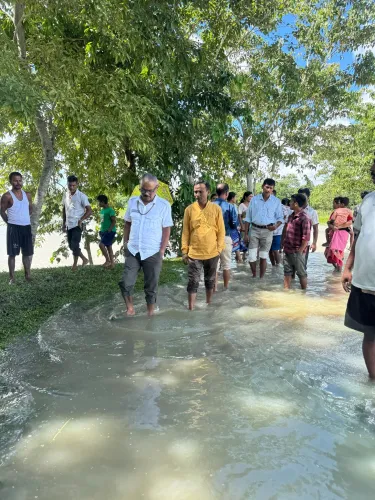
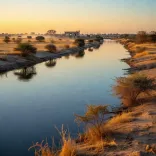
CM Himanta Monitors Bhutan GLOF, Dhubri Teams on Alert
Synopsis
A Glacial Lake Outburst Flood in Bhutan has triggered an emergency monitoring response in Assam. CM Himanta Biswa Sarma is personally overseeing the situation as Dhubri district teams deploy on the ground to manage the downstream surge threat.
Key Takeaways
A Glacial Lake Outburst Flood (GLOF) has occurred in Bhutan , threatening downstream communities in western Assam.
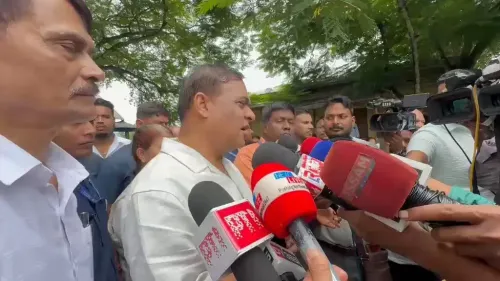
Chief Minister Dr Himanta Biswa Sarma is personally monitoring the situation as of 30 October 2026 .
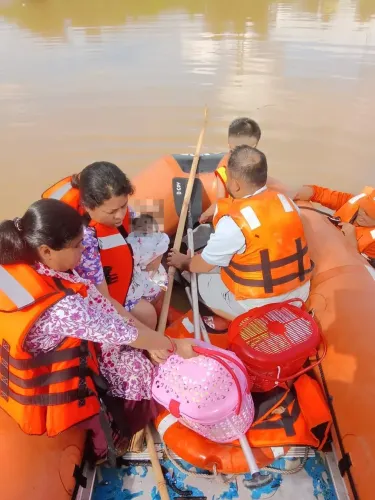
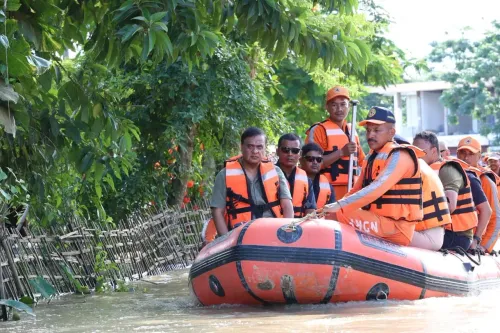
The DC Office Dhubri has deployed teams on the ground to manage downstream flood effects.
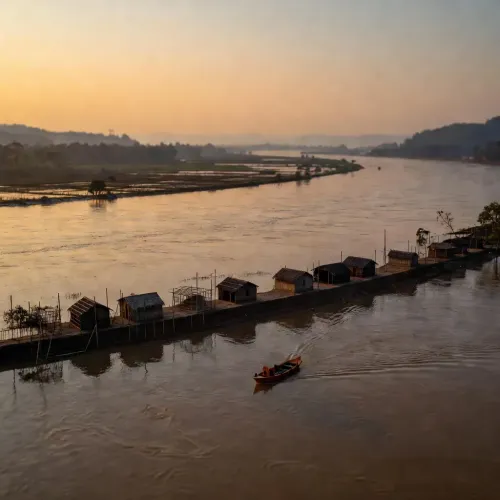
Dhubri district in western Assam is among the most vulnerable areas due to its location at transboundary river confluences bordering Bhutan.
India and Bhutan have maintained joint glacial-lake monitoring mechanisms since the early 2010s.
River gauge readings in western Assam and any coordinated alert with Bhutanese authorities are the critical watch points in the coming hours.
A glacial lake has burst its banks in Bhutan — and downstream, western Assam is bracing. The Chief Minister's Office of Assam confirmed on Friday, 30 October 2026 that Chief Minister Dr Himanta Biswa Sarma is personally monitoring the unfolding Glacial Lake Outburst Flood (GLOF) situation, with ground teams from the District Collector's office in Dhubri already mobilised to handle downstream effects.
What a GLOF in Bhutan means for Assam's western border
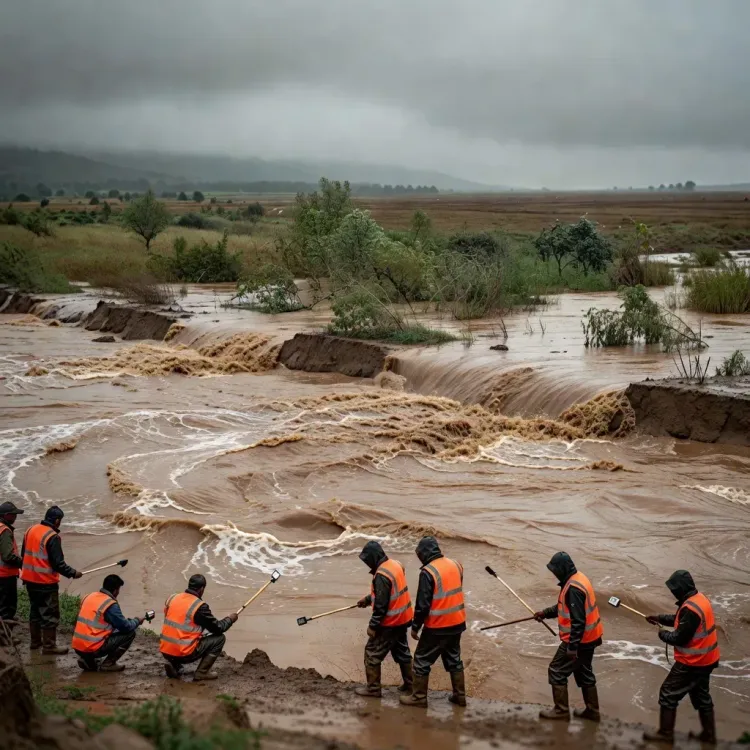
Glacial Lake Outburst Floods are among the most sudden and destructive events in the Himalayan hydrological cycle — a moraine dam collapses, and millions of cubic metres of water surge downstream within hours. Bhutan's river systems drain directly into Assam through its western districts, making Dhubri — a low-lying district that sits at the confluence of these transboundary channels — among the most exposed communities in the state. The post reads: 'The situation arising out of the Glacial Lake Outburst flood in Bhutan is being closely monitored by HCM Dr Himanta Biswa Sarma. Team DC Office Dhubri is on ground and prepared to effectively deal with the downstream effects.' The Disaster Management Authority of Assam (DIPRO Assam) was also tagged, signalling formal coordination across the state's emergency response machinery.Dhubri: the frontline district in Assam's flood geography
Dhubri district in western Assam has long carried a disproportionate share of the state's transboundary flood burden. Bordered by Bhutan to the north, it sits squarely in the path of any surge from Himalayan river systems. Indian and Bhutanese authorities have maintained joint glacial-lake monitoring mechanisms since the early 2010s following earlier GLOF scares — protocols that feed directly into the kind of ground-level district readiness now being activated. CM Himanta Biswa Sarma, in office since 2021, has repeatedly positioned rapid disaster response as a governance priority for Assam, a state that lives with annual flooding as a structural reality — not an exception.River gauges and coordinated alerts: what comes next
The immediate watch is on river gauge readings across western Assam's flood plains and on whether a formal joint alert is issued with Bhutanese authorities. A GLOF's downstream peak can arrive with little warning, and the hours immediately following such an event are the most critical for evacuation and embankment protection. With district teams already on the ground in Dhubri and the Chief Minister's office tracking the situation in real time, Assam has activated its first line of defence. The next 24 to 48 hours will determine the scale of any humanitarian impact.Point of View
Yet bilateral early-warning architecture between India and Bhutan remains informally institutionalised rather than treaty-bound. CM Himanta Biswa Sarma's visible personal ownership of the monitoring fits a pattern of high-visibility executive crisis management that has defined his tenure. Whether district-level preparedness translates into effective flood mitigation will be the true measure — and the next 48 hours will provide that answer.
NationPress
30 Oct 2026
Frequently Asked Questions
What is a Glacial Lake Outburst Flood (GLOF)?
A Glacial Lake Outburst Flood (GLOF) occurs when a natural dam — typically made of moraine, ice, or debris — holding back a glacial lake suddenly fails, releasing a massive surge of water downstream. GLOFs can travel hundreds of kilometres, causing severe flooding in valleys and plains far below the source lake.
Why does a GLOF in Bhutan affect Assam?
Bhutan's river systems drain southward through the Himalayas directly into Assam's western districts. Districts like Dhubri sit at the downstream end of these transboundary channels, making them vulnerable to any sudden surge of water originating in Bhutanese glacial regions.
What is the Assam government doing in response to the Bhutan GLOF?
Chief Minister Dr Himanta Biswa Sarma is personally monitoring the situation. The District Collector's office in Dhubri has deployed teams on the ground and is prepared to manage downstream flood effects, with the state disaster response authority also coordinating the response.
Which district in Assam is most at risk from this flood?
Dhubri district in western Assam is the primary area of concern. It borders Bhutan and lies at the confluence of transboundary Himalayan river systems, making it the most directly exposed district to any downstream surge from a glacial event in Bhutan.
Do India and Bhutan have a flood monitoring system in place?
Yes. Indian and Bhutanese authorities have maintained joint glacial-lake monitoring mechanisms since at least the early 2010s, following earlier GLOF risk incidents. These arrangements allow for coordinated alerts and early warning to downstream districts in Assam.