CM Himanta Orders Anti-Erosion Steps Ahead of Heavy Rains

Synopsis
Assam Chief Minister Himanta Biswa Sarma on 29 June 2026 announced early reinforcement of anti-erosion infrastructure to limit monsoon damage, sharing ground-level images of ongoing protective works along the state's flood-vulnerable riverbanks.
Key Takeaways
Assam CM Himanta Biswa Sarma announced proactive anti-erosion measures on 29 June 2026 , ahead of peak monsoon season.
The government is strengthening embankments and protective infrastructure to reduce damage from heavy rainfall.
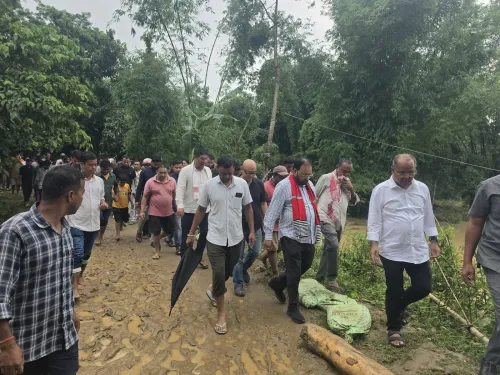
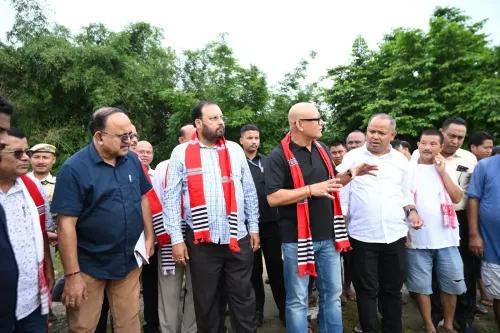
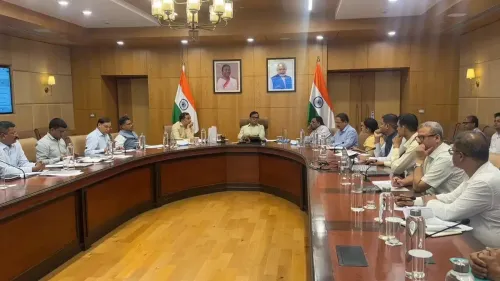
Four images shared with the post indicate ground-level reinforcement work is already under way.
Assam's riverine communities — particularly in districts like Majuli, Dhubri, Barpeta , and Morigaon — are the primary beneficiaries of early intervention.
Pre-emptive action is aimed at minimising both human displacement and fiscal pressure from emergency relief spending.
Coordination with the Central Water Commission and NDMA is expected as the monsoon intensifies through July–August.
Assam Chief Minister Himanta Biswa Sarma announced on Monday, 29 June 2026 that the state government is proactively reinforcing anti-erosion infrastructure to minimise damage from heavy monsoon rainfall. The announcement, made via a post on X, signals an early-action approach ahead of what is typically Assam's most flood-vulnerable season.
Context
Assam faces annual devastation from the Brahmaputra and its tributaries during the monsoon months of June through September. River bank erosion is among the most persistent and irreversible consequences, displacing thousands of families and swallowing agricultural land each year. CM Sarma's statement signals that the government is not waiting for flooding to begin before mobilising resources.
The Chief Minister stated plainly: 'We are taking early precautions by strengthening anti-erosion measures to reduce any impact arising out of heavy rainfall.' The post was accompanied by four images, indicating active ground-level work is already under way at identified vulnerable stretches.
Policy Backdrop
Anti-erosion work in Assam is primarily overseen by the Water Resources Department, which deploys spurs, geo-bags, and embankment reinforcements along erosion-prone riverbanks. The state has historically sought central assistance under schemes such as the Flood Management Programme (FMP) and the Pradhan Mantri Krishi Sinchai Yojana for river-management components.
Assam loses hundreds of hectares to erosion annually, making it one of the most erosion-affected states in the country. Early deployment of protective measures — before peak discharge levels are reached in rivers — is considered best practice by hydrologists and is a stated priority of the current state administration.
Stakeholders and Impact
Communities living along the Brahmaputra, Barak, and their subsidiary rivers stand to benefit most directly from pre-emptive embankment strengthening. Farmers, fisherfolk, and rural households in districts such as Majuli, Dhubri, Barpeta, Morigaon, and Dibrugarh are among the most exposed to seasonal erosion losses.
Timely anti-erosion intervention also has downstream fiscal consequences: preventing embankment breaches reduces emergency relief expenditure and limits crop damage claims, easing pressure on the state's disaster-response budget. Infrastructure such as roads, schools, and health centres built near riverbanks is also at risk without adequate protective works.
What's Next
The state government is expected to maintain close coordination with the Central Water Commission (CWC) and the National Disaster Management Authority (NDMA) as the monsoon intensifies through July and August. Progress on anti-erosion sites will likely be monitored through district-level disaster management committees.
With the monsoon already active over Assam as of late June, the pace of reinforcement work in the coming weeks will be critical. The Chief Minister's public communication on the matter also serves as an accountability marker — setting expectations for departmental performance before the season peaks.
Point of View
Proactive disaster preparedness rather than reactive relief. By sharing field images alongside the statement, the communication doubles as both a policy signal and a governance accountability measure. Assam's chronic vulnerability to Brahmaputra flooding makes early embankment reinforcement politically as well as practically significant — failures are highly visible and electorally costly. The move also aligns with central government emphasis on disaster-risk reduction over post-disaster relief under the national disaster management framework.
NationPress
29 Jun 2026
Frequently Asked Questions
What anti-erosion steps is the Assam government taking before the monsoon?
The Assam government is strengthening embankments and protective infrastructure along erosion-prone riverbanks ahead of heavy monsoon rainfall, as announced by Chief Minister Himanta Biswa Sarma on 29 June 2026.
Which districts in Assam are most at risk from river erosion?
Districts including Majuli, Dhubri, Barpeta, Morigaon, and Dibrugarh are among the most vulnerable to annual river bank erosion caused by the Brahmaputra and its tributaries.
Why does Assam face severe erosion every monsoon season?
Assam's geography places it along the Brahmaputra river system, which carries one of the highest sediment and water loads in the world; peak monsoon discharge regularly breaches embankments and erodes riverbanks, displacing communities and destroying farmland.
What is the Flood Management Programme and does Assam benefit from it?
The Flood Management Programme is a central government scheme that provides funds to states for river management, embankment construction, and anti-erosion works; Assam has historically been a major beneficiary given its annual flood and erosion losses.
Has CM Himanta Biswa Sarma taken similar flood-preparedness steps before?
Yes, the Sarma-led government has consistently emphasised early disaster preparedness, including pre-monsoon inspection of embankments and coordination with the Central Water Commission and NDMA ahead of each flood season.