CM Himanta: Over 80,000 Sheltered in Assam Flood Camps
Synopsis
Assam CM Himanta Biswa Sarma announced on 12 August 2026 that over 80,000 people are now sheltered in state relief camps as monsoon flooding deepens across the Brahmaputra valley and rehabilitation operations run at full scale.
Key Takeaways
Over 80,000 people are sheltered in relief camps across Assam as of 12 August 2026 .
CM Himanta Biswa Sarma confirmed camp numbers are still rising, indicating floods have not yet fully receded.
Rehabilitation efforts — beyond emergency evacuation — are described as running 'at full scale'.
Assam's Brahmaputra valley faces recurrent annual flooding each monsoon season, requiring large-scale state-led operations.
District administrations are managing food, water, and shelter distribution for displaced families.
Assam's monsoon emergency is deepening — and the state's relief machinery is scaling up to match it. Assam Chief Minister Himanta Biswa Sarma confirmed on 12 August 2026 that more than 80,000 people are now sheltered in relief camps across the state, as flood rehabilitation efforts continue at full scale.
The scale of displacement on the ground
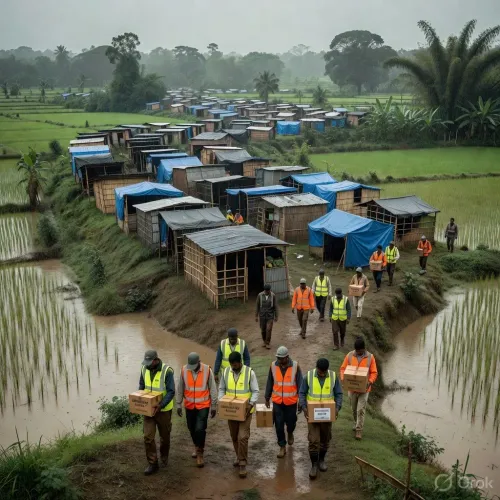
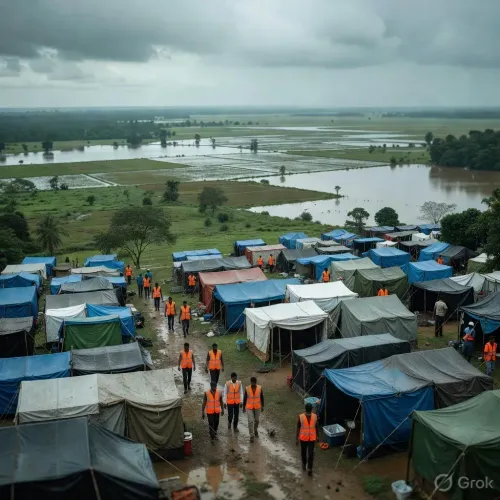
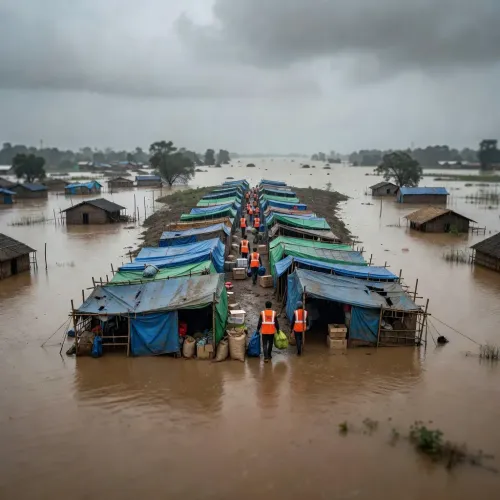
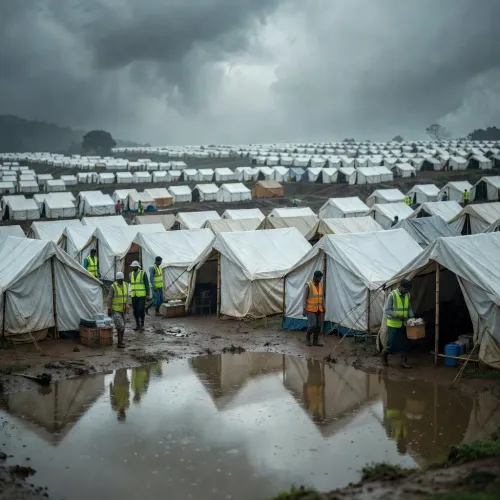
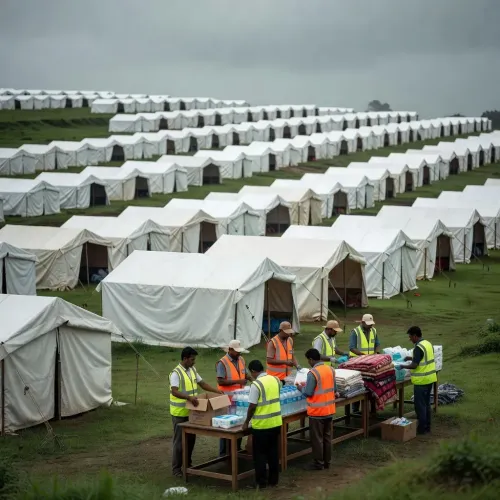
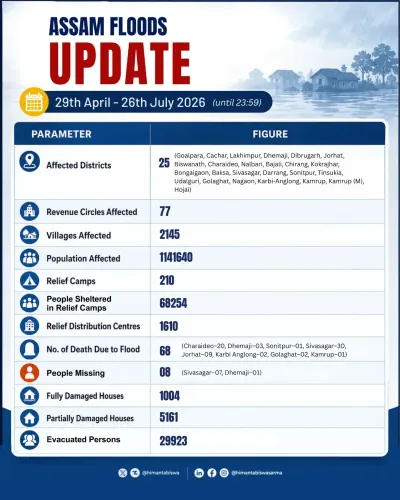
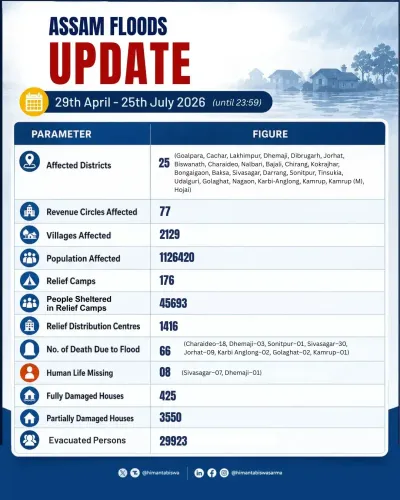
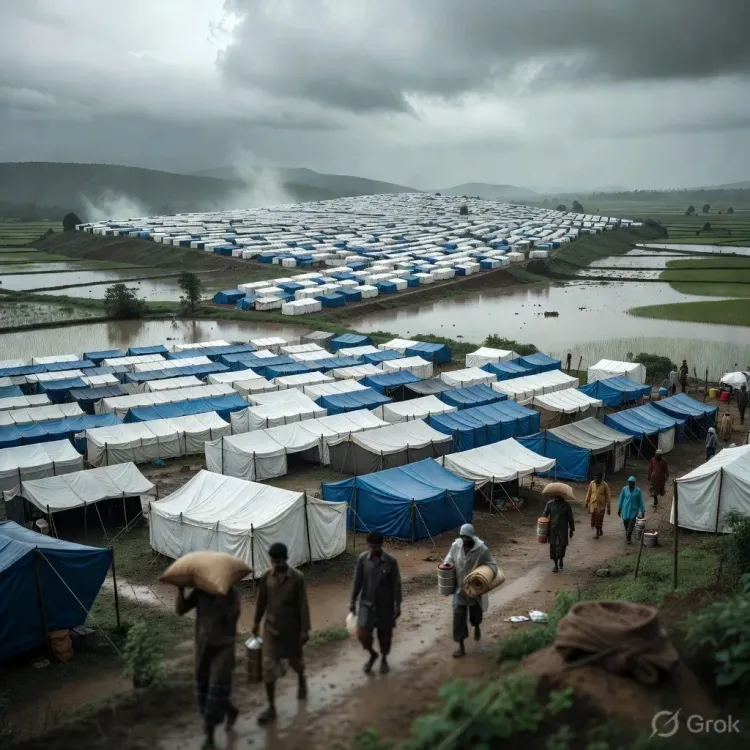
The numbers tell a stark story. With over 80,000 people accommodated in camps statewide, district administrations are managing a sprawling humanitarian operation — distributing food, drinking water, and basic supplies to families displaced from submerged villages and cropland. CM Sarma's post flagged that camp intake is still rising, a signal that floodwaters have not yet peaked or receded in the worst-hit zones.
Brahmaputra's annual reckoning
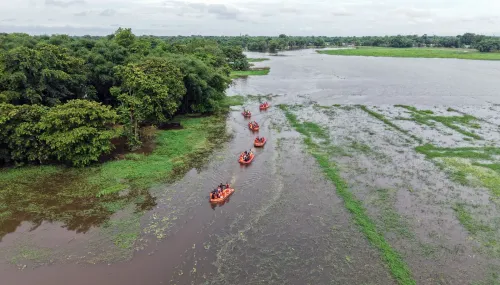
Assam's Brahmaputra valley is one of the most flood-prone corridors in South Asia. Every year between June and September, the monsoon swells the Brahmaputra and its tributaries, inundating villages and agricultural land across the state's lowland districts. Successive governments — across administrations — have treated large-scale evacuation and camp operations as a core annual governance responsibility, not an exceptional crisis. What changes year to year is the severity of inundation and the speed of the state's response.
Sarma's flood command and what comes next
CM Sarma, who has led the state since May 2021, has made regular public updates on the flood situation a fixture of his administration's communication. The emphasis on 'full-scale' rehabilitation — not just evacuation — points to an operation that extends beyond emergency shelter to include food security, livestock rescue, and eventual return assistance for displaced families. The coming days will be critical: whether central assistance is mobilised and whether long-term embankment or drainage projects receive fresh attention will determine how quickly affected communities can rebuild.
Eighty thousand people in camps is not a statistic — it is a measure of how many Assamese families are sleeping somewhere other than home tonight.
Point of View
Where progress remains contested. With over 80,000 people displaced, the scale of this event will test whether the administration's communication of 'full-scale rehabilitation' translates into measurable recovery speed. Central government coordination and any fresh infrastructure commitments will be the real metric to watch.
NationPress
12 Aug 2026
Frequently Asked Questions
How many people are in Assam flood relief camps in August 2026?
Over 80,000 people are sheltered in relief camps across Assam as of 12 August 2026, according to Chief Minister Himanta Biswa Sarma.
What is the current status of Assam floods 2026?
As of 12 August 2026, flood conditions remain severe across Assam, with camp numbers still rising and state rehabilitation operations running at full scale.
What is Assam doing for flood-affected people?
The Assam government has opened relief camps sheltering over 80,000 people and is conducting rehabilitation operations covering food, water, and shelter through district administrations.
Why does Assam flood every year?
Assam's Brahmaputra valley is one of South Asia's most flood-prone regions. The Brahmaputra and its tributaries overflow annually during the June-to-September monsoon, inundating low-lying villages and farmland.
Who is managing the Assam flood relief operations?
Chief Minister Himanta Biswa Sarma is overseeing the state response, with district administrations on the ground managing camp operations and relief distribution.