CM Himanta Invokes Vande Mataram as Symbol of National Unity
Synopsis
Assam CM Himanta Biswa Sarma invoked Vande Mataram on November 7, 2026, calling the national song an immortal symbol of India's freedom struggle, cultural identity, and the enduring principle that the nation is supreme.
Key Takeaways
Assam CM Himanta Biswa Sarma posted a tribute to Vande Mataram on November 7, 2026 , calling it India's immortal voice of national consciousness.
He described the song as a 'mantra of resistance' during colonial subjugation that continues to embody cultural identity and national unity.
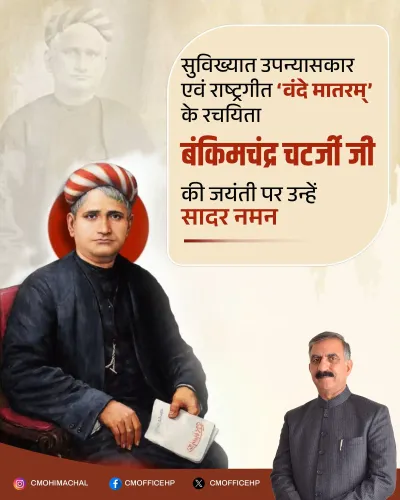
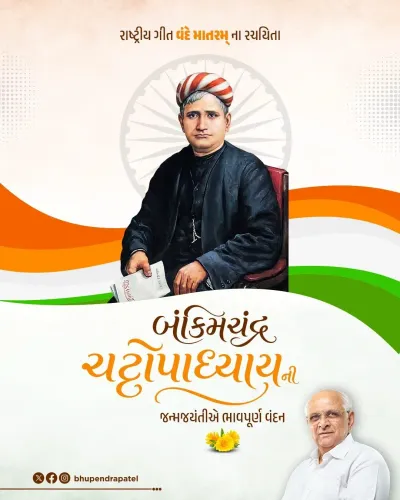
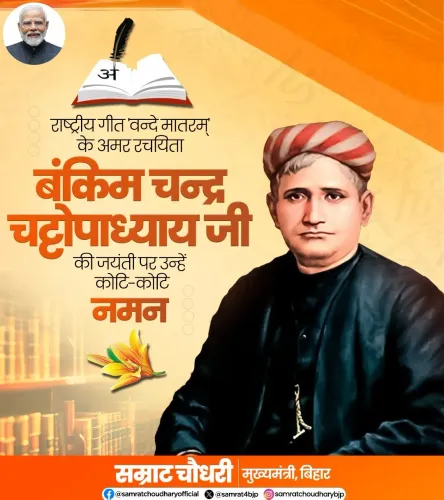
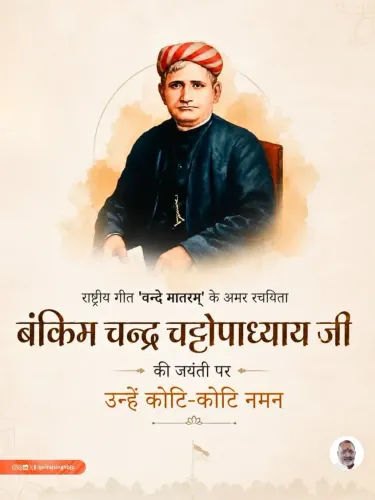
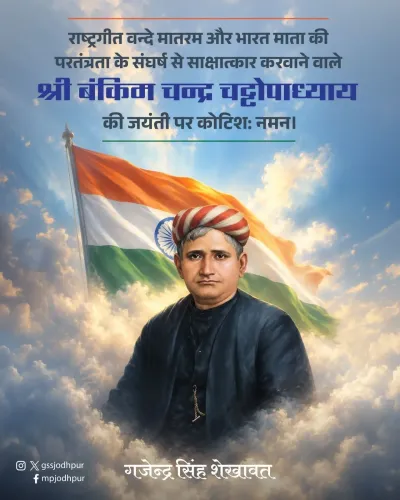
Vande Mataram was first composed by Bankim Chandra Chatterjee and appeared in his 1882 novel Anandamath .
The Constituent Assembly adopted Vande Mataram as India's national song in January 1950 .
BJP leaders periodically invoke the song to connect the freedom struggle's spirit to contemporary nationalism and cultural pride.
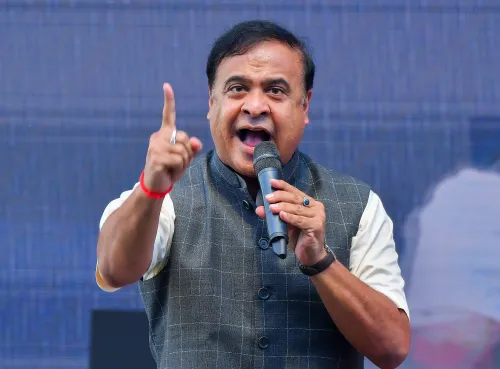
A song that once stirred millions into revolt against colonial rule is still resonating — this time through the voice of Assam Chief Minister Himanta Biswa Sarma, who on Saturday, November 7, 2026, posted a tribute to Vande Mataram, calling it the immortal voice of India's national consciousness.
In his post, CM Sarma wrote: 'Vande Mataram — that immortal voice of India's national consciousness, which inspired countless countrymen to liberate the motherland during the freedom struggle. Having served as a mantra of resistance during the era of subjugation, Vande Mataram even today expresses dedication to the nation, cultural identity, and the spirit of national unity. Even a century and a half later, its echo reminds us that the nation is supreme.'
From Bankim's Novel to the Nation's Soul
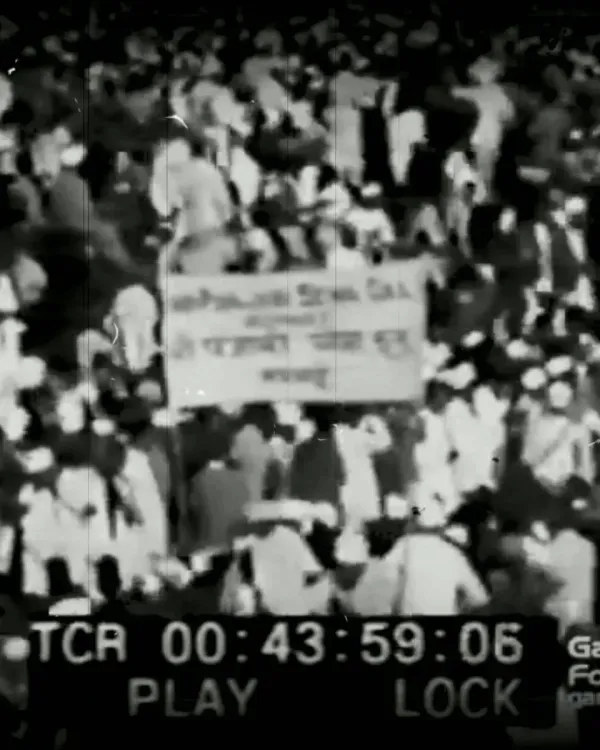
The song's journey spans nearly one-and-a-half centuries. Bankim Chandra Chatterjee, the celebrated Bengali writer, first composed Vande Mataram and embedded it in his 1882 novel Anandamath — a work set against the backdrop of colonial Bengal. What began as literary verse became a war cry, chanted by freedom fighters marching into lathis and bullets alike. The British administration, acutely aware of its mobilising power, periodically attempted to suppress its public singing.
When India finally won independence, the song's stature was formally enshrined. The Constituent Assembly adopted Vande Mataram as India's national song in January 1950 — a step that placed it alongside the national anthem as a pillar of the new republic's cultural identity.
BJP's Recurring Invocation of the Freedom-Struggle Lexicon
BJP leaders have periodically returned to Vande Mataram as a touchstone — linking the freedom struggle's spirit to contemporary assertions of nationalism, cultural pride, and civilisational continuity. For CM Sarma, also the convenor of the North-East Democratic Alliance (NEDA), the tribute fits a broader pattern of using historical and cultural symbolism to frame political identity in the Northeast, a region with its own complex, layered relationship to questions of belonging and nationhood.
The post carries no sharp political edge — it is a moment of reflection, not confrontation. Yet in India's charged cultural landscape, even a tribute to a national song lands with political weight.
One hundred and forty-four years after Bankim put pen to paper, the echo has not faded — and those in power know exactly how far it carries.
Point of View
But it also reflects the BJP's deliberate practice of anchoring political identity in freedom-struggle symbolism. For Sarma specifically — operating in a Northeast where questions of cultural belonging and national integration remain live — invoking Vande Mataram carries a subtext of integration and civilisational continuity. The post is light on policy but heavy on the kind of soft-power cultural framing that the ruling party deploys with increasing frequency. It signals that for BJP's Northeast pillar, the 'nation is supreme' register is both personally felt and politically useful.
NationPress
7 Nov 2026
Frequently Asked Questions
What is Vande Mataram and why is it significant in India?
Vande Mataram is India's national song, adopted by the Constituent Assembly in January 1950. Originally composed by Bankim Chandra Chatterjee for his 1882 novel Anandamath, it became a powerful rallying cry during the independence movement against British colonial rule.
Who wrote Vande Mataram?
Vande Mataram was written by Bengali author Bankim Chandra Chatterjee and first appeared in his 1882 novel Anandamath, set against the backdrop of colonial Bengal.
What did CM Himanta Biswa Sarma say about Vande Mataram?
CM Sarma called Vande Mataram 'the immortal voice of India's national consciousness,' saying it inspired countless citizens during the freedom struggle and continues to express dedication to the nation, cultural identity, and national unity even a century and a half later.
What is the difference between Vande Mataram and the national anthem?
India has both a national anthem — Jana Gana Mana, composed by Rabindranath Tagore — and a national song, Vande Mataram, composed by Bankim Chandra Chatterjee. Both were adopted in January 1950, but Jana Gana Mana holds the formal status of national anthem.
Why do BJP leaders often invoke Vande Mataram?
BJP leaders periodically invoke Vande Mataram to highlight its role in the freedom struggle and to emphasise themes of cultural nationalism, national unity, and civilisational pride — connecting India's independence-era legacy to contemporary political identity.