CM Himanta Pays Tribute to Assam Tea Workers on International Tea Day
Synopsis
On International Tea Day, 21 May 2026, Assam Chief Minister Himanta Biswa Sarma paid tribute to the state's Cha Shramiks, calling the tea-garden workers the true force behind Assam's world-renowned tea and saluting their daily labour.
Key Takeaways
Assam CM Himanta Biswa Sarma posted a tribute on International Tea Day, 21 May 2026 , honouring tea-garden labourers.
The tribute specifically named Cha Shramiks — plantation workers, predominantly from tribal communities — as the people who make Assam tea special.
Assam accounts for over half of India 's national tea output, making it the country's largest producing state.
Commercial tea cultivation in Assam dates to 1837 , when the first garden was established at Chabua .
The Tea Board of India , set up in 1953 , governs production, marketing and worker welfare across the industry.
Observers will watch for follow-up policy moves on wages, housing and healthcare for tea-tribe communities in Assam .
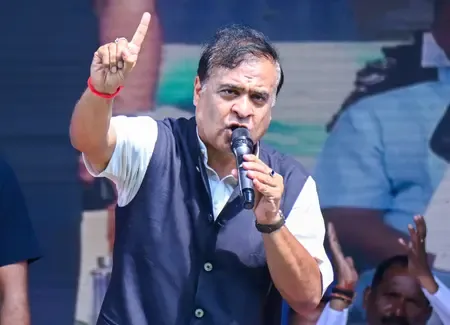
Assam Chief Minister Himanta Biswa Sarma on Thursday, 21 May 2026 paid tribute to the state's tea-garden labourers on International Tea Day, honouring the Cha Shramiks — plantation workers whose daily labour sustains one of India's most iconic agricultural industries.
Context
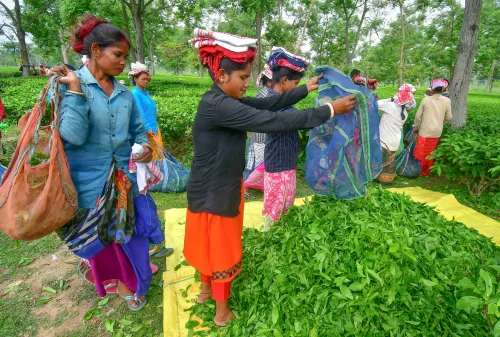
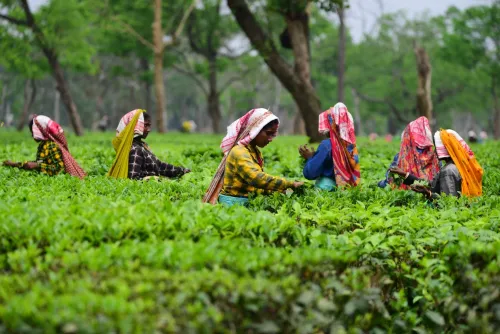
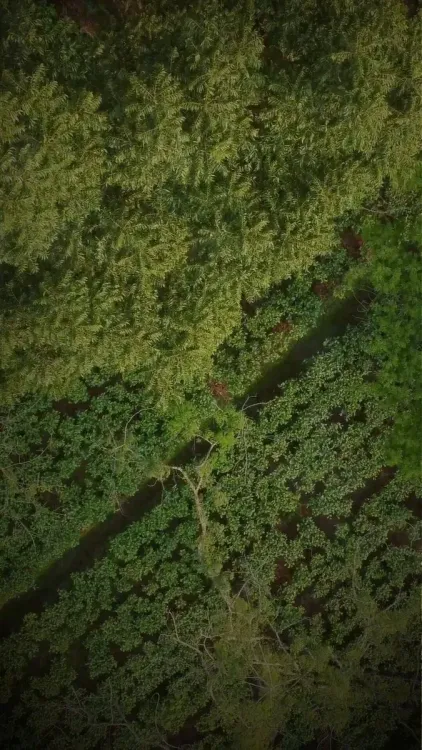
International Tea Day, observed annually on 21 May, spotlights the global tea sector and the millions of workers who power it. Chief Minister Sarma used the occasion to acknowledge the contribution of Assam's plantation workforce, writing: 'The lush green tea gardens where the tender hands of our hardworking Cha Shramiks pluck every leaf with care is what makes it special.'
The post, shared with a video, underscores the human element behind a product that has made Assam synonymous with tea worldwide. The Chief Minister noted that the workers' effort is what makes 'your morning sip special.'
Policy Backdrop
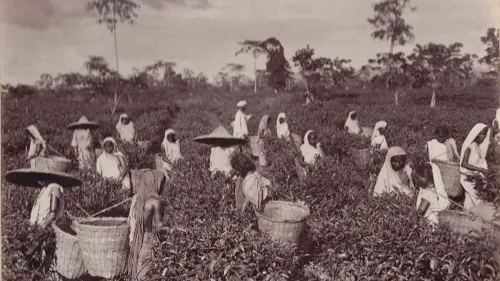
Commercial tea cultivation in Assam dates to the 1830s, when the first garden was established at Chabua in 1837 under British initiative. The state today accounts for over half of India's national tea output, making it the country's single largest producing region.
The Tea Board of India, constituted in 1953, oversees production, marketing and welfare measures for the industry. Assam's plantation economy remains central to state revenue and to India's standing among the world's top tea exporters.
Stakeholders and Impact
The Cha Shramiks — predominantly from tribal communities — represent a large and historically vulnerable segment of Assam's workforce. Their livelihoods depend on seasonal leaf-plucking cycles, and their welfare has been a recurring theme in state policy discussions around wages, housing and healthcare.
Successive governments in Guwahati have periodically spotlighted plantation labour, and CM Sarma, who has served as Chief Minister since 2021, has linked agricultural heritage to broader Northeast development priorities including tourism and worker welfare. The International Tea Day tribute aligns with that pattern of messaging.
What's Next
Observers will watch whether the tribute translates into concrete policy announcements — including state budget allocations or new welfare packages targeting tea-tribe communities. Any Assam participation in upcoming Tea Board of India sessions or international tea trade forums will also be closely tracked.
With Assam's tea industry sitting at the intersection of agricultural heritage, export earnings and tribal welfare, the spotlight on Cha Shramiks on International Tea Day keeps pressure on policymakers to move beyond symbolic gestures toward durable improvements in plantation worker conditions.
Point of View
He signals awareness of a constituency — tribal plantation labourers — that has historically been courted by multiple political formations in the state. The tribute fits a broader pattern in which Northeast leaders use agricultural heritage messaging to project inclusive governance without necessarily announcing new expenditure. Whether such visibility translates into measurable policy gains for tea-tribe communities will be the real test of the sentiment expressed.
NationPress
6 Oct 2026
Frequently Asked Questions
What is International Tea Day and when is it observed?
International Tea Day is an annual observance on 21 May that highlights the importance of the global tea industry and the welfare of its workforce. It was designated by the United Nations to recognise the cultural and economic significance of tea worldwide.
Who are Cha Shramiks in Assam?
Cha Shramiks are tea-garden labourers in Assam , predominantly drawn from tribal communities, who carry out the daily work of plucking tea leaves on the state's plantations. Their labour is the backbone of Assam's tea industry.
Why is Assam famous for tea?
Assam is India's largest tea-producing state, accounting for over half of national output. Commercial cultivation began as early as 1837 at Chabua , and the state's climate and geography produce the bold, malty flavour that has made Assam tea globally recognised.
What did Himanta Biswa Sarma say about Assam tea workers?
On International Tea Day 2026 , CM Himanta Biswa Sarma said: 'The lush green tea gardens where the tender hands of our hardworking Cha Shramiks pluck every leaf with care is what makes it special,' crediting the workers for making every morning cup possible.
What is the Tea Board of India?
The Tea Board of India is a statutory body constituted in 1953 to regulate and promote the country's tea industry, covering production, marketing and welfare measures for plantation workers across tea-growing states including Assam .