CM Himanta salutes Assam's weavers on National Handloom Day
Synopsis
On National Handloom Day, 7 August 2026, Assam CM Himanta Biswa Sarma saluted the state's weavers, calling handloom a living legacy. Assam's GI-tagged Muga and Eri silk underpin rural livelihoods backed by the National Handloom Development Programme.
Key Takeaways
National Handloom Day is observed on 7 August every year, instituted by the Government of India in 2015 to mark the anniversary of the Swadeshi movement.
Assam CM Himanta Biswa Sarma described handloom as 'a living legacy, woven with skill, patience and generations of craftsmanship.' Assam's Muga and Eri silk carry Geographical Indication tags, protecting their provenance and artisanal identity.
North-eastern states including Assam receive targeted support under the National Handloom Development Programme for natural-dye and silk handlooms.
The sector is framed as both a cultural preservation effort and a driver of rural livelihoods across Assam's weaving belts.
On National Handloom Day, 7 August 2026, Assam Chief Minister Himanta Biswa Sarma paid tribute to the state's weaving community, calling handloom 'a living legacy, woven with skill, patience and generations of craftsmanship.'
A tradition that outlasted empires
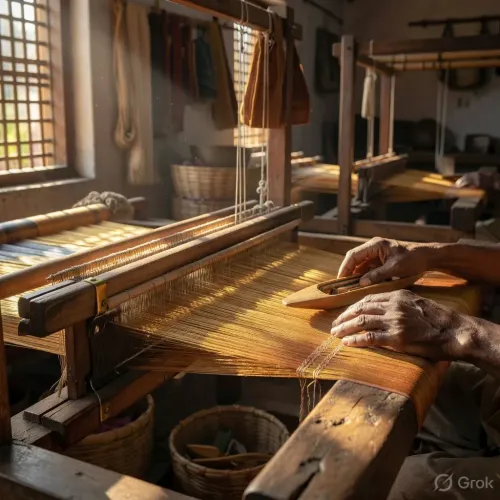
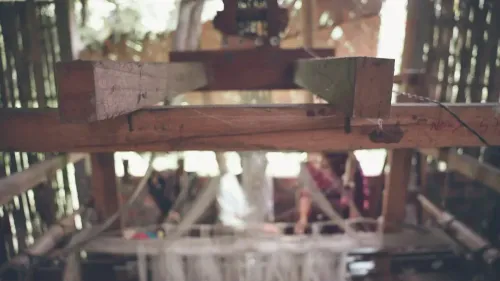
Assam sits at the heart of India's handloom map. Its Muga and Eri silk — both protected by Geographical Indication tags — are not mass-produced commodities; they are the output of families who have passed shuttle and loom down through generations. The state's weavers are concentrated in rural belts where the loom is often the primary source of income, making cultural preservation and economic survival the same act. The Government of India instituted National Handloom Day in 2015, anchoring it to 7 August to commemorate the Swadeshi movement launched on that date in 1905. The choice was deliberate: hand-woven cloth was the original act of economic self-reliance, and the day reclaims that symbolism for a sector that still employs millions in rural India.North-east's weavers in the policy frame
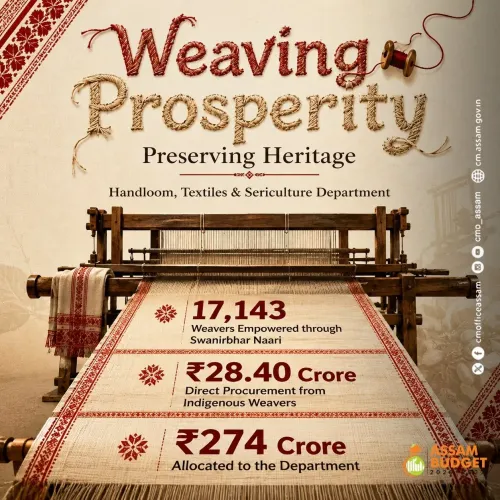
North-eastern states, including Assam, receive targeted support under the National Handloom Development Programme — a central scheme that funds cluster development, natural-dye adoption, and market linkages for traditional silk and cotton weavers. State textile policies layer additional support on top, positioning handloom not as a heritage curiosity but as a live engine of rural livelihoods. CM Sarma's message reinforces that framing. By saluting weavers who 'continue to carry this timeless tradition forward while strengthening rural livelihoods,' he links cultural identity directly to economic purpose — the argument successive governments have made to justify sustained public investment in the sector. The calendar ahead includes state-level handloom expos and buyer-seller meets that translate this political goodwill into market access for artisans. Whether fresh allocations follow the rhetoric is the question weavers will be watching.Point of View
Where Muga and Eri silk are both identity markers and export commodities, political endorsement from the Chief Minister carries real signal value for sector investment. The tribute also reinforces NEDA's broader north-east development narrative, positioning the region's artisanal economy as a national asset rather than a peripheral concern. The test, as always, is whether the salute translates into scheme allocations and market access in the financial year ahead.
NationPress
21 Sept 2026
Frequently Asked Questions
When is National Handloom Day celebrated in India?
National Handloom Day is celebrated on 7 August every year. The Government of India instituted it in 2015 to commemorate the launch of the Swadeshi movement on 7 August 1905.
What did Assam CM Himanta Biswa Sarma say on National Handloom Day 2026?
CM Himanta Biswa Sarma called Assam's handloom tradition 'a living legacy, woven with skill, patience and generations of craftsmanship' and saluted weavers for strengthening rural livelihoods.
What makes Assam's handloom special?
Assam is known for Muga and Eri silk , both of which hold Geographical Indication tags. These fabrics are produced by rural weaving communities using techniques passed down through generations.
What is the National Handloom Development Programme?
The National Handloom Development Programme is a central government scheme that funds cluster development, natural-dye adoption, and market linkages for traditional weavers, with north-eastern states including Assam among the key beneficiaries.
Why is 7 August chosen for National Handloom Day?
7 August marks the anniversary of the Swadeshi movement launched in 1905 , when hand-woven cloth became a symbol of economic self-reliance. The date was chosen to connect the handloom sector to that legacy of indigenous production.