CM Himanta unveils AR/VR roadmap for Bhupen Hazarika memorial
Synopsis
Chief Minister Himanta Biswa Sarma on 11 July 2026 unveiled a roadmap to revamp the Bhupen Hazarika Samannay Tirtha at Jalukbari, Guwahati, with AR/VR visitor experiences, an open-air cultural stage, digital youth programmes, and a government committee for year-round heritage events.
Key Takeaways
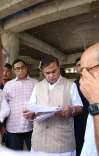
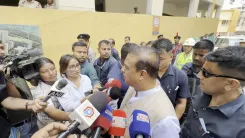
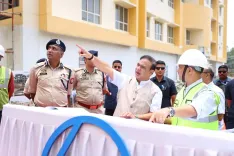
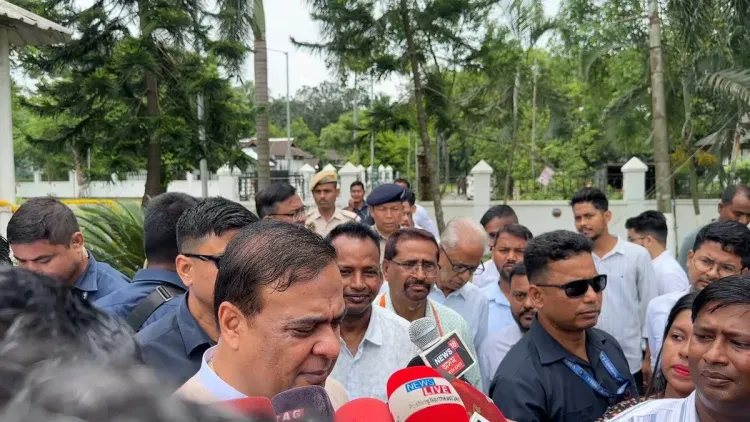
CM Himanta Biswa Sarma addressed media at Dr.
Bhupen Hazarika Samannay Tirtha, Jalukbari on 11 July 2026 to announce a comprehensive development roadmap.
The plan includes AR and VR-powered interactive experiences for visitors at the memorial complex.
A new open-air cultural stage will be developed at the site to host live performances and events.
A dedicated government committee will be formed to organise year-round cultural programmes and promote heritage at the memorial.
Digital initiatives targeting Assamese youth are a core pillar, aimed at spreading Sudhakantha Dr.
Bhupen Hazarika's artistic legacy to the next generation.
The upgraded memorial is designed to serve heritage tourists, local artists and the wider Assamese community as a sustained cultural hub.
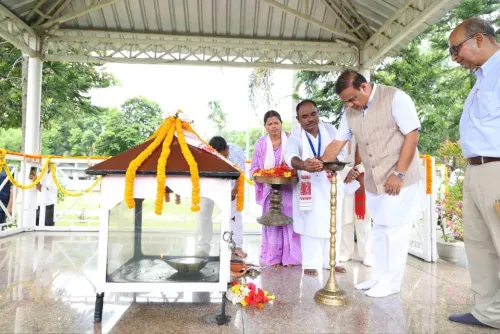
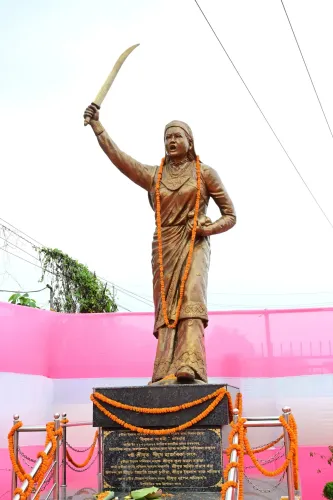
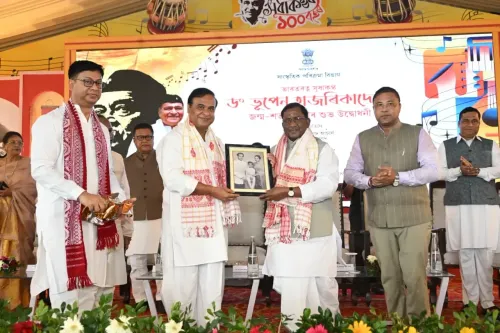
The Chief Minister's Office of Assam announced on Saturday, 11 July 2026 that Chief Minister Dr. Himanta Biswa Sarma addressed the media at Dr. Bhupen Hazarika Samannay Tirtha, Jalukbari, Guwahati, unveiling a multi-pronged roadmap to transform the memorial complex into a more immersive and technologically enriched tribute to the legendary singer known as Sudhakantha.
Context
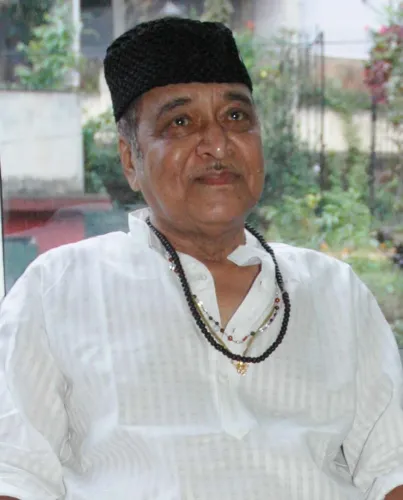
Dr. Bhupen Hazarika Samannay Tirtha at Jalukbari was established as a permanent site to preserve and celebrate the life and works of Dr. Bhupen Hazarika, the Assamese singer, composer, lyricist and filmmaker who passed away in 2011. Widely revered across the Northeast and beyond, Hazarika — honoured with the Padma Bhushan and several other national distinctions — remains one of the most celebrated cultural figures in modern Indian history. The memorial has served as a pilgrimage point for fans, scholars and heritage tourists since its establishment.
Speaking at the site, CM Himanta Biswa Sarma laid out a vision that spans physical infrastructure upgrades, digital innovation and institutional programming. The roadmap, as shared by the Chief Minister's Office, commits to an upgraded memorial that more fully celebrates Hazarika's life and legacy, alongside the introduction of augmented reality (AR) and virtual reality (VR)-powered interactive visitor experiences.
Policy Backdrop
The announcement reflects Assam's broader push to modernise its cultural heritage sites through technology — a trend visible across several Indian states that have pursued digital-upgradation drives at memorials linked to prominent artists and leaders. Since CM Sarma took office in 2021, the state administration has pursued multiple cultural heritage and tourism projects, with a stated emphasis on making historical and artistic legacies accessible to younger audiences.
Among the specific initiatives outlined are digital programmes designed to inspire the next generation through Sudhakantha's creations, the development of an open-air cultural stage at the complex, and the formation of a government committee tasked with organising year-round cultural programmes and promoting heritage at the site. The integration of AR and VR technology into a memorial of this kind marks a significant step in how Assam plans to engage both domestic visitors and the global Assamese diaspora.
Stakeholders and Impact
Assamese youth are a primary target of the digital initiatives, with the government explicitly framing the roadmap as a means of passing Hazarika's artistic legacy to future generations. Heritage tourists and cultural enthusiasts visiting Guwahati stand to benefit from a richer, more interactive experience at the complex, while local artists and performers are likely to gain a dedicated, professionally equipped venue through the proposed open-air cultural stage.
The year-round programming mandate for the new government committee signals an intent to move beyond anniversary-only events, potentially making Jalukbari a sustained cultural hub rather than a periodic pilgrimage destination. Residents of Guwahati and the wider Brahmaputra valley could see increased cultural activity and ancillary economic benefits tied to higher footfall at the site.
What's Next
The immediate milestones to watch are the formal constitution and first-year activity calendar of the newly proposed government committee, and the phased rollout of AR/VR installations and the open-air stage. Precise timelines and budgetary allocations for the 2026 roadmap have not been confirmed in public records, and the pace of implementation will depend on procurement and construction processes that are yet to be detailed.
If executed as announced, the revamped Dr. Bhupen Hazarika Samannay Tirtha could set a template for how Assam — and potentially other Northeastern states — approach the modernisation of cultural memorials, blending physical heritage with immersive digital storytelling to keep iconic legacies alive for a new generation.
Point of View
The Assam government is signalling that memorials of iconic figures need not remain static shrines but can evolve into living cultural institutions. The proposal for a permanent government committee — rather than ad hoc anniversary events — suggests an intent to institutionalise cultural programming in a way that outlasts any single administration. Watched alongside similar drives at other Northeastern heritage sites, this move positions Assam as a regional leader in the modernisation of cultural memory.
NationPress
11 Jul 2026
Frequently Asked Questions
What is Dr. Bhupen Hazarika Samannay Tirtha at Jalukbari?
It is a memorial complex in Jalukbari, Guwahati established by the Government of Assam to preserve and showcase the life, music and legacy of legendary Assamese singer-composer Dr. Bhupen Hazarika , who passed away in 2011 .
What did CM Himanta Biswa Sarma announce for the Bhupen Hazarika memorial?
On 11 July 2026 , CM Himanta Biswa Sarma unveiled a roadmap including AR and VR-powered visitor experiences , an open-air cultural stage , digital youth programmes, and a government committee for year-round cultural and heritage events at the memorial.
What is AR and VR and how will it be used at the Jalukbari memorial?
Augmented Reality (AR) and Virtual Reality (VR) are immersive digital technologies; at the Bhupen Hazarika Samannay Tirtha , they will be used to create interactive visitor experiences that bring the legendary singer's life and work to life in new ways.
Who was Bhupen Hazarika and why is he called Sudhakantha?
Dr. Bhupen Hazarika was a celebrated Assamese singer, composer, lyricist and filmmaker, honoured with the Padma Bhushan among other national awards. The title Sudhakantha — meaning 'the one with the nectar-like voice' — is an honorific given to him by his admirers in recognition of his extraordinary vocal artistry.
When will the AR/VR and open-air stage at Jalukbari be ready?
Precise timelines and budgets for the 2026 roadmap have not yet been confirmed publicly. The immediate next steps include constituting the new government committee and detailing the phased rollout of AR/VR installations and the open-air cultural stage .