CM Himanta Visits Assam Flood Ground Zero, Vows Normalcy
Synopsis
Assam Chief Minister Himanta Biswa Sarma visited the worst flood-hit areas on 3 August 2026, calling the damage 'tragic' and pledging to restore normalcy. The state faces its recurring Brahmaputra flood crisis, with relief coordination and possible central assistance requests now in focus.
Key Takeaways
Assam CM Himanta Biswa Sarma personally visited flood-affected ground zero on 3 August 2026 .
He described the flood's impact as 'tragic' and committed to restoring 'normalcy and stability.' The visit was documented on video and shared publicly under #AssamFloodResponse .
Assam experiences recurrent annual flooding driven by the Brahmaputra river during the monsoon season.
Post-visit actions typically include formal damage assessments and requests for central government disaster funds.
Relief coordination and any announcement of specific measures will be the key development to watch next.
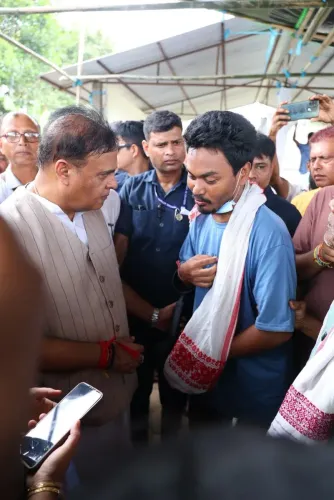
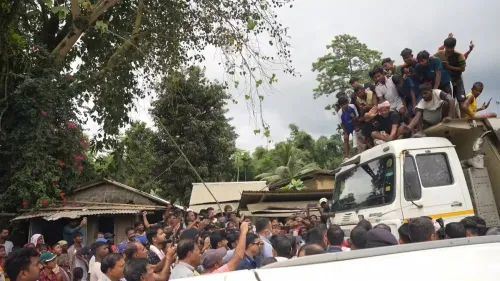
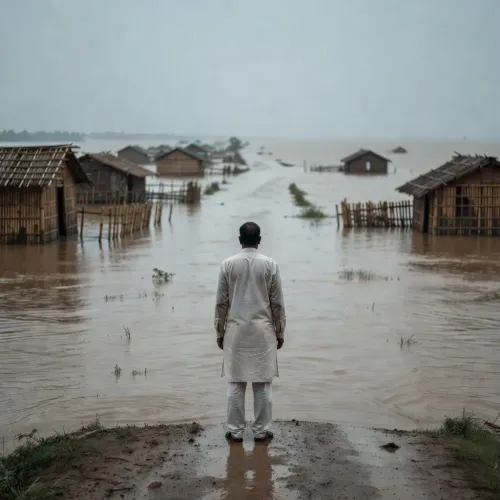
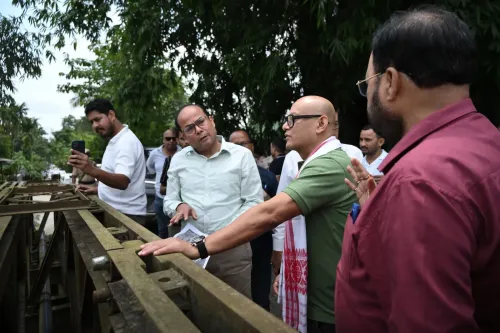
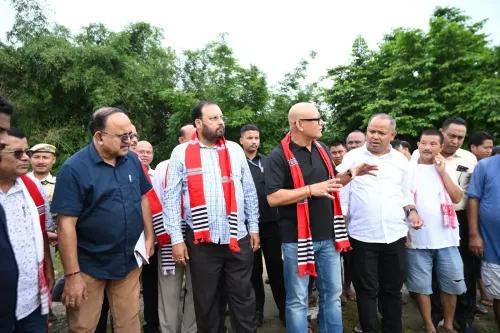
When floodwaters recede, what they leave behind tells the real story. Assam Chief Minister Himanta Biswa Sarma travelled to the worst-hit areas on Monday, 3 August 2026, walking the ground zero of what he described as a 'devastating' flood event — a hands-on assessment of destruction that the state's communities are now living through.
What the Chief Minister Saw at Ground Zero
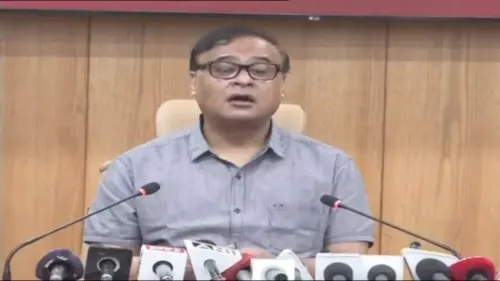
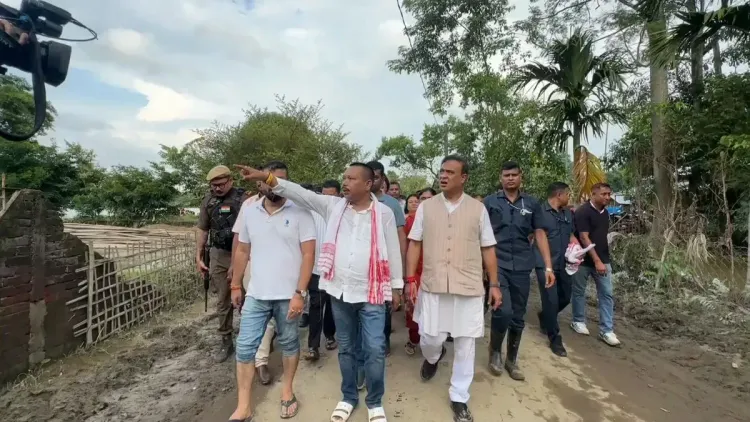
Sarma did not issue a statement from Dispur. He went to the affected zones himself, documenting the scale of damage firsthand before speaking. In his post, he described the 'affects' as 'tragic' — a word choice that signals the severity was beyond routine annual flooding. He pledged that the administration would 'try our best to bring back normalcy and stability,' framing the state's response as an active, ongoing commitment rather than a completed operation.
The visit, tagged under #AssamFloodResponse, was accompanied by video documentation — giving citizens a direct visual account of conditions on the ground.
Assam's Annual Reckoning with the Brahmaputra
Assam is no stranger to this cycle. Every monsoon season, the Brahmaputra river and its tributaries swell to punishing levels, inundating low-lying districts and displacing lakhs of residents. Chief Ministers have historically made field visits to flood-affected districts — a practice that serves both the administrative function of damage assessment and the political one of visible leadership in crisis. Sarma, as the state's sitting CM and a senior BJP figure, is following a well-worn but genuinely necessary protocol.
What follows such visits typically includes formal damage surveys, relief camp coordination, and — critically — requests to the central government for disaster assistance funds under the National Disaster Response Fund framework. Whether a formal memorandum to New Delhi is in the works will be the next signal to watch.
The Relief Machinery Now in Motion
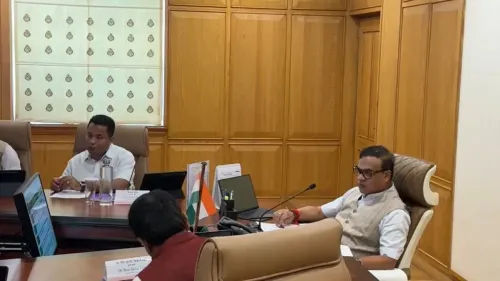
The Chief Minister's ground visit sets the administrative clock ticking. State disaster management teams, district commissioners, and relief coordinators now operate with a direct mandate from the top. For the families displaced by these floods, the promise of 'normalcy and stability' is the only number that matters — and the speed of its delivery will define this government's flood response record for 2026.
Assam has faced this reckoning before. It will face it again. The question, as always, is not whether the state responds — but how fast, and how completely, the response reaches those who need it most.
Point of View
But in Assam's case the annual flood crisis is structurally real, not manufactured. The harder test comes in the weeks after the cameras leave: whether relief reaches displaced communities quickly, and whether Sarma leverages his central government proximity to secure faster NDRF disbursals, will define this response's legacy. Assam's flood vulnerability also sits within a larger unresolved conversation about Brahmaputra basin management and climate resilience in the Northeast.
NationPress
3 Aug 2026
Frequently Asked Questions
Why does Assam flood every year?
Assam floods annually because the Brahmaputra river and its tributaries overflow during the monsoon season, inundating low-lying plains across the state. The river's high sediment load and the region's heavy rainfall make flooding a structural, recurring crisis rather than an exceptional event.
What did Himanta Biswa Sarma say about the Assam floods?
CM Himanta Biswa Sarma described the flood's impact as 'tragic' after visiting the worst-hit areas on 3 August 2026 . He pledged that the administration would 'try our best to bring back normalcy and stability.'
What relief measures are expected after the CM's flood visit?
Following such ground visits, the standard response includes formal damage surveys, activation of state disaster relief funds, coordination of relief camps, and a potential request to the central government for National Disaster Response Fund assistance. Specific announcements from the Sarma government are awaited.
What is #AssamFloodResponse?
#AssamFloodResponse is the hashtag used by CM Himanta Biswa Sarma to tag official communications about the state government's response to the August 2026 flood crisis in Assam.
Which districts in Assam are most affected by floods?
Historically, districts along the Brahmaputra floodplain — including Morigaon, Barpeta, Dhubri, Goalpara, and Lakhimpur — are among the most severely affected during monsoon flooding. The specific districts hit hardest in the August 2026 event are subject to the ongoing government assessment.