CM Himanta Visits Charaideo Relief Camp, Assures Document Help
Synopsis
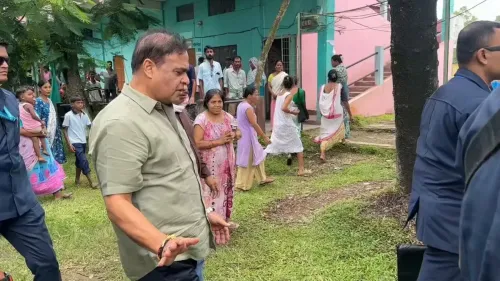
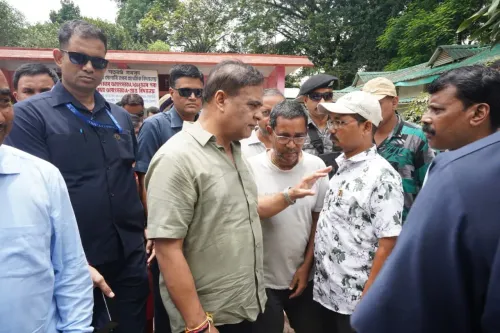
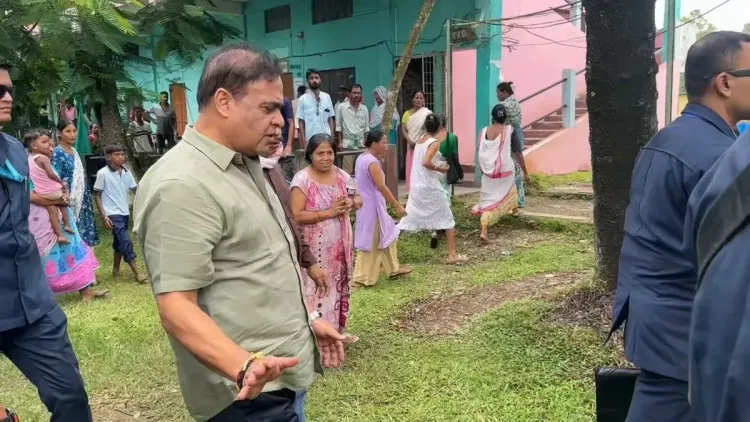
Assam Chief Minister Himanta Biswa Sarma visited a relief camp in Charaideo on 22 July 2026, directing hospital transfers for seriously ill or immobile flood victims and pledging state assistance to replace documents lost in the Assam floods.
Key Takeaways
CM Himanta Biswa Sarma personally visited a relief camp in Charaideo district on 22 July 2026 to assess the condition of flood-displaced residents.
Flood victims who are seriously ill or immobile will be transferred from relief camps to hospitals under a targeted medical evacuation order.
The Chief Minister assured displaced persons that the state government will help them replace all documents lost in the #AssamFloods .
Charaideo is in eastern Assam, a region historically and administratively vulnerable to annual Brahmaputra monsoon flooding.
Document loss — including Aadhaar cards, land records, and ration cards — is a persistent secondary consequence of flood displacement that affects long-term welfare access.
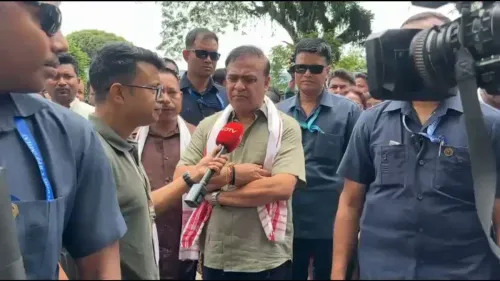
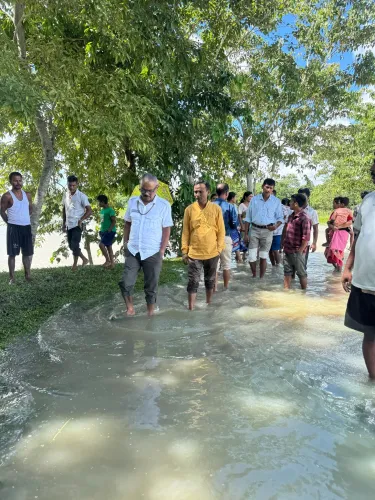
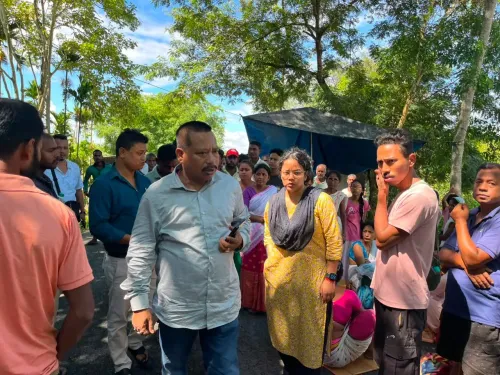
Assam Chief Minister Himanta Biswa Sarma visited a relief camp in Charaideo on Wednesday, 22 July 2026, interacting directly with flood-affected residents to assess their condition and announce immediate welfare measures amid the ongoing #AssamFloods crisis.
Context
Posting on X, CM Sarma said he met displaced persons at one of the relief camps set up in Charaideo district to 'take stock of their situation.' He confirmed that residents 'with serious illness or are immobile will be shifted to hospitals,' signalling a targeted medical evacuation plan for the most vulnerable among the camp population.
Charaideo, located in eastern Assam, holds both administrative and historic significance as the first capital of the Ahom kingdom. The district, like much of the Brahmaputra valley, is acutely vulnerable to monsoon flooding each year, with low-lying areas among the first to be inundated.
Policy Backdrop
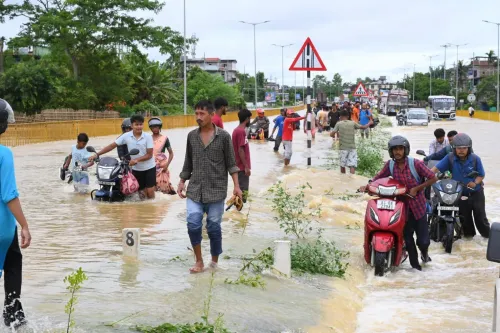
Annual monsoon flooding along the Brahmaputra river and its tributaries is a recurring crisis for Assam, displacing large populations and destroying homes, livestock, and personal records. State administrations have, over successive years, responded with a combination of relief camps, medical evacuation for the critically ill, and administrative drives to replace lost documents.
CM Sarma specifically assured flood victims that the state government would help them recover 'all documents they have lost' — a commitment that addresses one of the most persistent and under-reported consequences of flood displacement: the loss of identity and land records that can affect access to government schemes, property rights, and civic entitlements long after floodwaters recede.
Document replacement drives have been part of Assam's flood-response framework in prior years, but a direct, on-ground assurance from the Chief Minister signals that this will be a formal, state-backed effort in the current relief cycle.
Stakeholders and Impact
The primary beneficiaries of these announcements are the flood-affected residents sheltering at relief camps across Charaideo and surrounding areas. For the critically ill and immobile, the hospital transfer directive is a potentially life-saving intervention, as relief camps are typically not equipped for sustained medical care.
The document restoration pledge carries wider administrative significance. Flood victims who lose Aadhaar cards, land records, ration cards, or birth certificates face prolonged difficulties in accessing welfare entitlements. A state-backed reissuance mechanism, if implemented swiftly, can prevent secondary hardship in the months following a disaster event.
Local district administration, health departments, and civil-registration authorities will be key implementing agencies in translating these assurances into on-ground action.
What's Next
The state government is expected to issue further updates on the pace of hospital transfers for vulnerable camp residents and the timeline for document reissuance drives across flood-affected districts. With the monsoon season typically extending through August and September, relief operations in Assam are likely to remain under active management for weeks ahead. Longer-term, the government's response to the 2026 floods may also inform proposals for structural flood-mitigation investments ahead of the next monsoon cycle.
Point of View
Which serves both an administrative and a political-signalling function. The specific pledge to restore lost documents is notable: it moves beyond immediate relief optics to address a structural vulnerability that flood victims face long after the waters recede. If the state delivers a functional document reissuance drive, it would mark a meaningful step forward in disaster-response governance in the Brahmaputra valley. The visit also underlines the political salience of the northeast's recurring flood crisis, where credible relief delivery remains a key metric of state-level governance performance.
NationPress
22 Jul 2026
Frequently Asked Questions
What did CM Himanta Biswa Sarma announce at the Charaideo flood relief camp?
CM Himanta Biswa Sarma announced on 22 July 2026 that seriously ill or immobile flood victims at the Charaideo relief camp will be shifted to hospitals, and that the state government will help all displaced persons replace documents lost in the Assam floods .
Which district did CM Sarma visit during the Assam floods relief operations?
CM Sarma visited a relief camp in Charaideo district in eastern Assam, one of the areas affected by the ongoing 2026 Assam floods .
How does Assam help flood victims replace lost documents?
The Assam state government has, in prior flood seasons, run document reissuance drives for displaced persons who lose identity cards, land records, and ration cards. CM Sarma personally assured 2026 flood victims at Charaideo that the government will help them recover all such documents.
Why do Assam floods cause document loss?
Annual Brahmaputra river flooding inundates homes rapidly, leaving residents little time to secure personal papers. Loss of documents like Aadhaar cards, land records, and ration cards can prevent flood victims from accessing government welfare schemes long after the disaster.
What is Charaideo and why is it significant in the Assam floods context?
Charaideo is a district in eastern Assam historically significant as the first capital of the Ahom kingdom. It lies in the Brahmaputra valley, making it acutely vulnerable to the seasonal monsoon flooding that displaces communities across the region each year.