CM Himanta's Assam Govt Mobilises Relief for Flood-Hit Families
Synopsis
The Chief Minister's Office of Assam announced on 26 July 2026 that the state government, under CM Himanta Biswa Sarma, is deploying all available resources to deliver flood relief to affected families, with special focus on remote and inaccessible areas during the peak monsoon season.
Key Takeaways
The Chief Minister's Office of Assam confirmed an active, all-resource flood relief operation on 26 July 2026 .
Himanta Biswa Sarma is leading the state's response to communities displaced or isolated by monsoon flooding.
The government has specifically prioritised reaching families in remote and inaccessible areas , a persistent logistical challenge in flood-prone Assam.
Assam faces predictable annual flooding from the Brahmaputra river and its tributaries, making robust disaster response protocols a recurring necessity.
The State Disaster Response Force and district administrations are the primary operational arms for on-ground relief delivery.
Longer-term flood mitigation — including embankment and dredging projects — remains a structural priority alongside immediate relief.
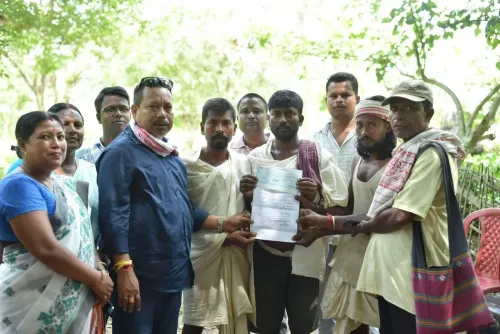
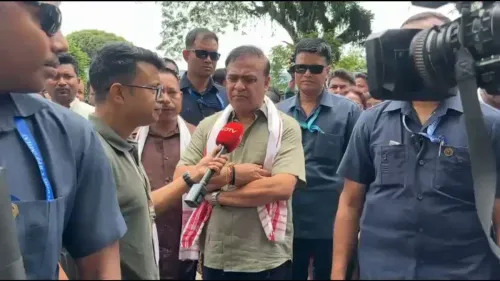
The Chief Minister's Office of Assam announced on Sunday, 26 July 2026 that the state government is mounting a full-scale relief effort for flood-affected communities across the state, with every available resource being deployed to reach families in remote and inaccessible areas.
Context
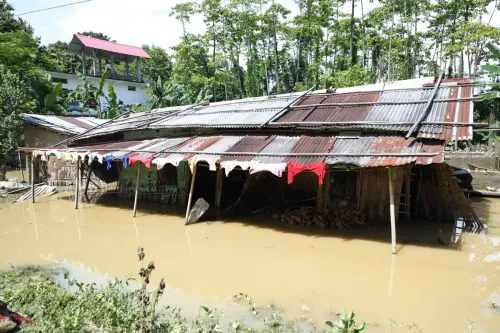
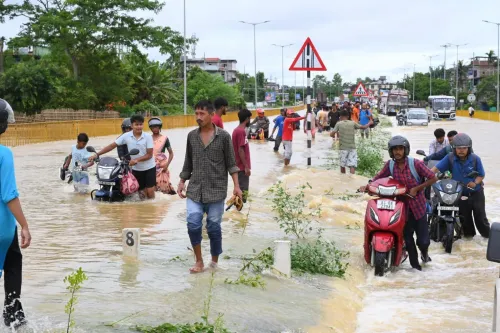
The CMO's post stated that 'every available resource is being mobilised to ensure timely assistance reaches every affected family, including in remote and inaccessible areas.' The announcement comes during the peak of the 2026 monsoon season, when Assam — traversed by the Brahmaputra river and its numerous tributaries — is at its most vulnerable to large-scale inundation. Seasonal flooding in the state routinely displaces hundreds of thousands of residents, cutting off villages and overwhelming local administration.
Policy Backdrop
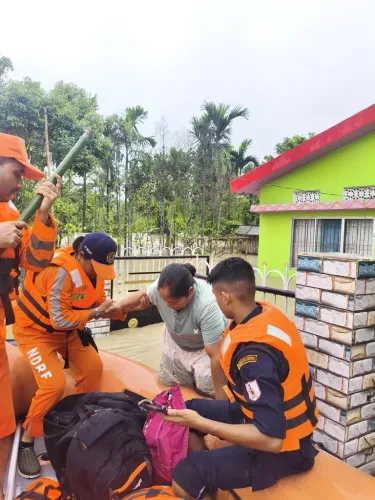
Assam has grappled with recurrent monsoon flooding for decades, prompting successive state governments to maintain standing protocols for disaster response. The State Disaster Response Force (SDRF) is typically activated at the onset of the flood season, operating alongside central teams from the National Disaster Response Force (NDRF). Under Chief Minister Dr. Himanta Biswa Sarma, who has led the state since 2021, the administration has repeatedly emphasised rapid resource mobilisation as the cornerstone of its flood management strategy.
Longer-term interventions in Assam have historically included embankment reinforcement and river dredging projects, often backed by central government allocations or multilateral funding. The state's chronic vulnerability sits within India's federal disaster management framework, where state administrations bear primary operational responsibility while drawing on central resources for large-scale relief.
Stakeholders and Impact
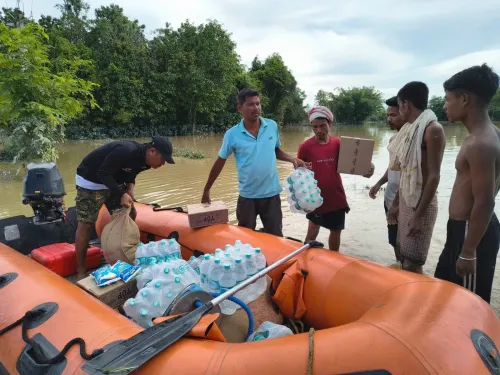
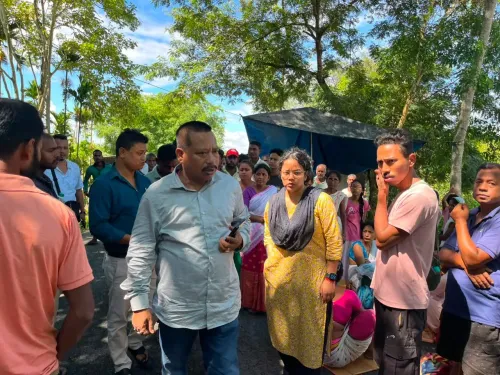
The communities most directly affected are flood-hit families in low-lying districts along the Brahmaputra valley and its flood plains, particularly those in geographically isolated villages where road and boat access is disrupted during high-water events. Relief distribution in such areas depends heavily on air assets, motorised country boats, and pre-positioned supplies — logistical challenges the state government has acknowledged by specifically naming 'remote and inaccessible areas' in its communication.
District administrations serve as the primary channel for translating state-level directives into on-ground delivery of food, medicines, and temporary shelter. Their coordination with the Government of Assam's disaster management apparatus will determine how equitably and swiftly assistance reaches the most vulnerable households.
What's Next
Observers will watch for district-level distribution updates that quantify relief materials delivered, the number of families reached, and the status of evacuation camps. Any supplementary budget announcements for flood mitigation infrastructure — embankments, drainage improvement, or early-warning systems — ahead of the 2027 monsoon season would signal the administration's shift from reactive relief to structural resilience. The pace and coverage of the current relief operation will also serve as a benchmark for evaluating the state's disaster preparedness framework under CM Himanta Biswa Sarma.
Point of View
And the explicit mention of 'remote and inaccessible areas' is a deliberate acknowledgement of Assam's most persistent relief-delivery gap. The broader pattern reflects a federal tension in Indian disaster management — states bear the operational burden while central allocations and NDRF deployments shape the scale of the response. Whether the current mobilisation translates into measurable relief coverage will be the real test of the administration's disaster infrastructure investments since 2021.
NationPress
26 Jul 2026
Frequently Asked Questions
What is the Assam government doing for flood-affected families in 2026?
The Government of Assam, under Chief Minister Himanta Biswa Sarma, has announced the mobilisation of all available resources to deliver timely relief to flood-affected families, including those in remote and inaccessible areas, as of 26 July 2026.
Which river causes most flooding in Assam?
The Brahmaputra river and its numerous tributaries are the primary cause of annual monsoon flooding in Assam, inundating low-lying districts and displacing large populations every year.
Who is Himanta Biswa Sarma?
Himanta Biswa Sarma is the Chief Minister of Assam, in office since 2021. He oversees the state's response to recurrent natural disasters, including the annual monsoon floods.
What is the State Disaster Response Force in Assam?
The State Disaster Response Force (SDRF) is Assam's dedicated disaster response unit, activated during flood seasons to carry out rescue, evacuation, and relief distribution operations, often working alongside the central National Disaster Response Force (NDRF).
How does Assam reach flood victims in remote areas?
The Assam government uses motorised country boats, air assets, and pre-positioned supplies to reach villages cut off by floodwaters, with district administrations coordinating last-mile delivery of food, medicines, and temporary shelter.