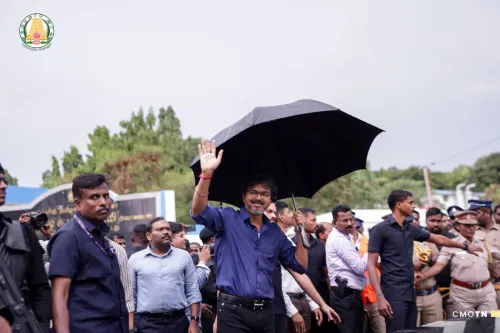
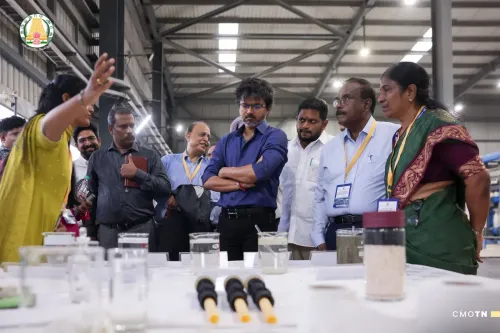
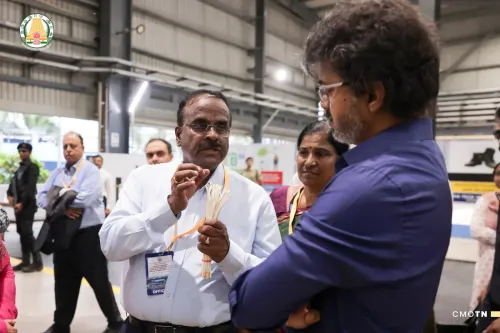
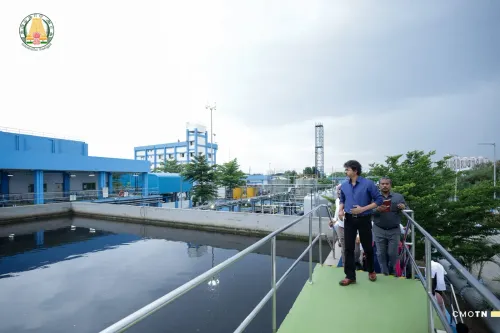
CM Joseph Vijay inspects 45 MLD RO plant in Koyambedu
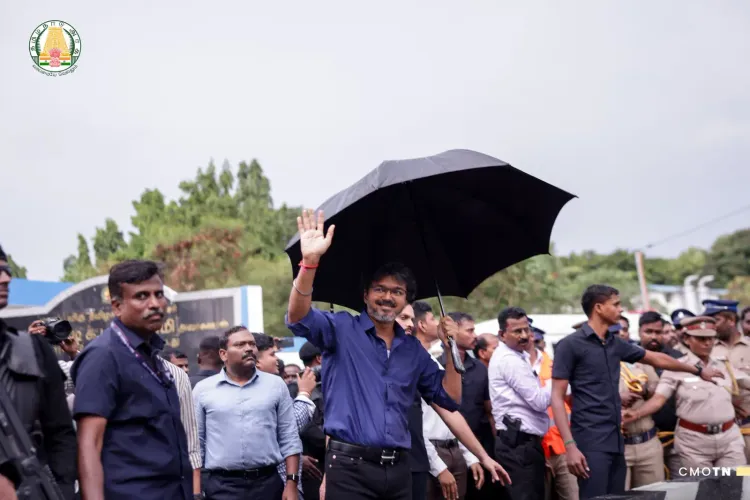
Synopsis
Tamil Nadu Chief Minister Joseph Vijay on 27 July 2026 inspected the 45 MLD reverse osmosis-based tertiary water treatment plant at Koyambedu, Chennai, under the Chennai Metropolitan Water Supply and Sewerage Board, signalling active executive oversight of the city's critical water recycling infrastructure.
Key Takeaways
CM Joseph Vijay personally visited the Koyambedu water treatment facility on 27 July 2026 .
The plant has a capacity of 45 Million Litres per Day (MLD) and uses reverse osmosis-based tertiary treatment .
The inspection was conducted on behalf of the Chennai Metropolitan Water Supply and Sewerage Board (CMWSSB) .
Tertiary RO treatment is the most advanced stage of wastewater processing, enabling reuse for industrial or supplementary potable purposes.
Tamil Nadu has pursued desalination and wastewater recycling since at least 2009 , when the Minjur desalination plant was commissioned.
Future budget allocations and CMWSSB performance reports will indicate whether further capacity expansion is planned.
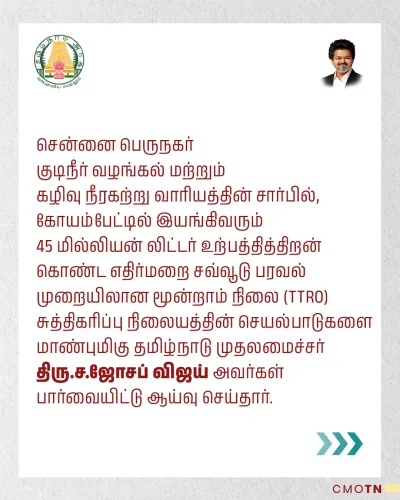
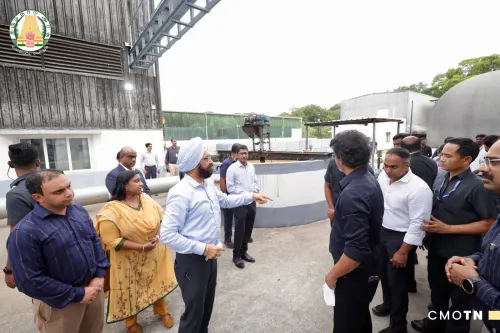
Tamil Nadu Chief Minister Joseph Vijay on Monday, 27 July 2026, personally visited and inspected the 45 Million Litre per Day (MLD) tertiary water treatment facility operating on reverse osmosis (RO) technology at Koyambedu, Chennai, under the aegis of the Chennai Metropolitan Water Supply and Sewerage Board (CMWSSB).
Context
The official post from the Chief Minister's Office confirmed that CM Vijay conducted an on-site review of the plant, which employs a reverse osmosis-based tertiary treatment process to purify wastewater to a high standard. The visit was carried out on behalf of the CMWSSB, the statutory body mandated to supply drinking water and manage sewerage across the Chennai metropolitan area. Tertiary treatment at this scale represents the final and most advanced stage of wastewater processing, capable of producing water suitable for industrial reuse or, after further steps, potable supply augmentation.
Policy Backdrop
Chennai has long grappled with chronic water deficits driven by monsoon variability and rapid urban growth. The state has historically pursued a three-pronged strategy — desalination, sewage recycling, and reservoir augmentation — to secure the city's water future. Tamil Nadu's first large-scale desalination plant was commissioned at Minjur in 2009, and successive governments have since expanded investment in tertiary treatment infrastructure to reduce dependence on rain-fed sources. The Koyambedu locality, which hosts one of the city's major sewage treatment complexes, sits at the centre of this long-term urban water management effort.
The CMWSSB has progressively scaled up treated-wastewater recycling capacity to serve industrial users and reduce pressure on potable reservoirs. RO-based tertiary treatment plants represent the most technologically advanced tier of this infrastructure, capable of removing dissolved solids and contaminants that conventional secondary treatment cannot address.
Stakeholders and Impact
The primary beneficiaries of a functioning 45 MLD tertiary treatment plant are Chennai's urban residents, who gain indirect relief as treated industrial-grade water reduces demand on the city's potable supply. Industrial water users in the metropolitan area also benefit directly, as recycled water from such facilities can substitute for freshwater in manufacturing and cooling processes. The CMWSSB's operational efficiency at this plant has downstream implications for the city's overall water security, particularly during summer months when reservoir levels fall sharply.
High-level ministerial inspections of critical water infrastructure serve a dual purpose: they signal administrative accountability and often precede announcements of capacity expansion or performance audits. Residents and civic groups monitoring Chennai's water quality and supply reliability will watch for any follow-up directives from the Chief Minister's Office.
What's Next
Observers will look to the state budget and CMWSSB tender notices for signals of further expansion of the city's RO-based recycling capacity. Any performance report released by the board detailing treated water output volumes, operational costs, and quality benchmarks will clarify whether the Koyambedu plant is meeting its design targets. CM Vijay's direct inspection suggests the government intends to keep urban water infrastructure under active executive scrutiny, a posture that could translate into accelerated investment or corrective operational directives in the weeks ahead.
Point of View
Who took office with a reformist urban-development pitch, the Koyambedu visit fits a pattern of hands-on administrative engagement with civic utilities. Tamil Nadu's long investment in water recycling infrastructure means this is not a new project but an inherited asset, and the inspection may be a precursor to a capacity-expansion announcement or a performance accountability review. The broader implication is that water security — long a politically sensitive issue in Chennai — remains a priority lever for the state government heading into a period of potential fiscal decisions.
NationPress
27 Jul 2026
Frequently Asked Questions
What did Tamil Nadu CM Joseph Vijay inspect on 27 July 2026?
CM Joseph Vijay inspected the 45 MLD reverse osmosis-based tertiary water treatment plant at Koyambedu, Chennai, operated by the Chennai Metropolitan Water Supply and Sewerage Board.
What is a tertiary water treatment plant?
A tertiary water treatment plant is the final and most advanced stage of wastewater purification, removing dissolved solids and contaminants left after primary and secondary treatment, making the water suitable for industrial reuse or further potable processing.
Why does Chennai need RO-based water treatment plants?
Chennai faces chronic water deficits due to monsoon variability and urban growth. RO-based tertiary treatment plants recycle wastewater for industrial use, reducing pressure on the city's potable water reservoirs.
What is the capacity of the Koyambedu water treatment plant?
The Koyambedu reverse osmosis-based tertiary treatment plant has a production capacity of 45 Million Litres per Day (MLD).