CM Joseph Vijay inspects Chennai bio-gas plant in Sethupattu

Synopsis
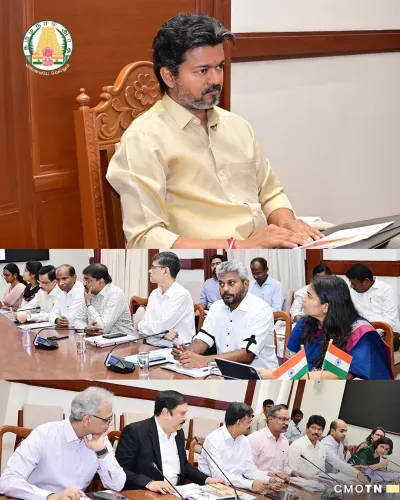
Tamil Nadu Chief Minister C. Joseph Vijay inspected the bio-gas plant at Sethupattu in Chennai on 20 July 2026. The visit highlights the state's continued push to expand decentralised waste-to-energy infrastructure across urban centres as part of its renewable energy and solid-waste management strategy.
Key Takeaways
Joseph Vijay personally inspected the Sethupattu bio-gas plant in Chennai on 20 July 2026 .
The plant converts organic municipal solid waste into bio-gas for energy generation, addressing both waste management and clean energy goals.
Sethupattu is a Chennai locality designated for municipal infrastructure including waste processing and energy projects.
Tamil Nadu has been developing urban bio-gas and waste-to-energy plants since the 2010s under state renewable energy programmes.
Key stakeholders include Chennai's urban residents and municipal bodies responsible for solid-waste management.
Analysts will monitor operational data and potential state budget announcements on replicating the model across other urban local bodies.
The Chief Minister's Office of Tamil Nadu announced on Monday, 20 July 2026, that Chief Minister C. Joseph Vijay conducted an inspection of the bio-gas plant at Sethupattu, Chennai, marking a direct review of the city's urban waste-to-energy infrastructure.
Context
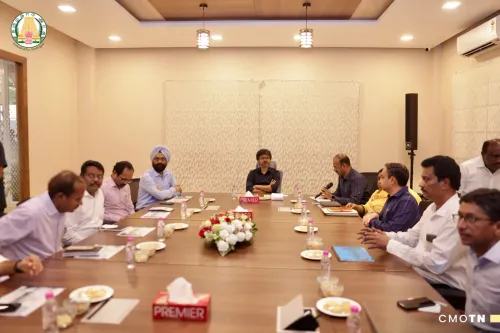
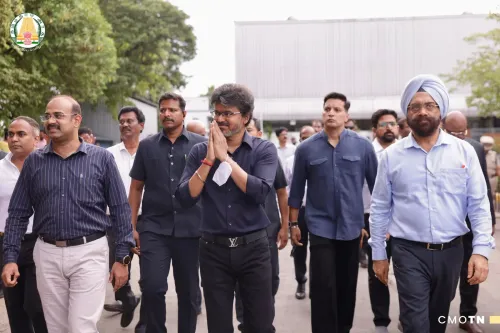
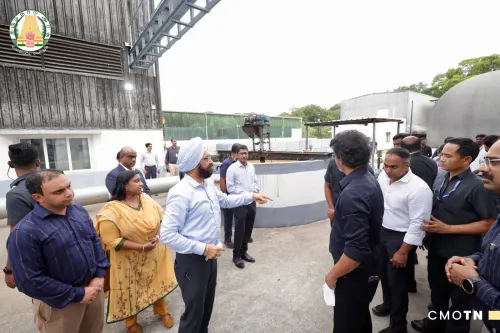
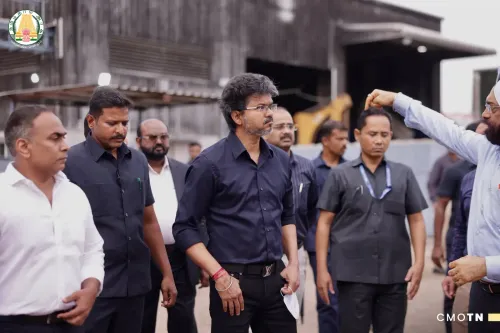
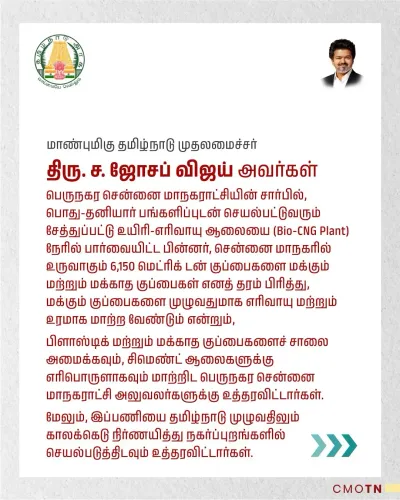
The Tamil post from the Chief Minister's Office reads: 'மாண்புமிகு தமிழ்நாடு முதலமைச்சர் திரு. ச. ஜோசப் விஜய் அவர்கள் சென்னை சேத்துப்பட்டு உயிரி எரிவாயு ஆலையில் ஆய்வு' — translated: 'Honourable Tamil Nadu Chief Minister Mr. C. Joseph Vijay inspects the bio-gas plant at Sethupattu, Chennai.' The announcement was accompanied by 4 photographs documenting the on-site visit.
Sethupattu is a locality in Chennai that hosts municipal infrastructure projects focused on waste processing and energy generation. Bio-gas plants of this kind convert organic municipal solid waste into combustible gas, which can be used to generate electricity or supply cooking fuel to nearby communities.
Policy Backdrop
Tamil Nadu has promoted urban bio-gas and waste-to-energy plants under state renewable energy and solid-waste management programmes since the 2010s. These initiatives align with both state-level clean energy targets and national climate commitments under India's broader green energy transition.
The state has steadily expanded decentralised renewable energy infrastructure to manage urban waste and supplement grid supply. Bio-gas facilities form a key pillar of this strategy, addressing two simultaneous challenges: reducing landfill burden in rapidly growing cities and adding low-carbon energy to the grid.
Stakeholders and Impact
Urban residents in Chennai and the municipal bodies responsible for solid-waste management stand to benefit most directly from the efficient operation of the Sethupattu plant. Reliable bio-gas generation can reduce the volume of waste sent to landfills, lower greenhouse gas emissions, and provide an alternative energy source for local use.
Inspections by state leadership serve a dual purpose: they signal political priority and create accountability for project timelines and operational performance. The Chief Minister's direct presence at the facility underscores the current administration's focus on monitoring the delivery of urban infrastructure commitments.
What's Next
Observers will watch for operational performance data from the Sethupattu plant and any follow-up announcements on scaling similar bio-gas facilities to other urban local bodies across Tamil Nadu. State budget allocations for renewable energy and solid-waste management in upcoming fiscal cycles will indicate the pace of expansion.
The inspection could also precede policy directives or funding announcements aimed at replicating the Sethupattu model in other Chennai zones or in cities such as Coimbatore, Madurai, and Tiruchirappalli, where urban waste management pressures are similarly acute.
Point of View
Making them high-visibility assets for any government. Direct inspections by the chief executive also create a chain of accountability that filters down to municipal bodies and project contractors. The visit fits a broader pattern of state governments using infrastructure walkthroughs to demonstrate executive oversight ahead of budget cycles or local-body elections.
NationPress
21 Jul 2026
Frequently Asked Questions
What did Tamil Nadu CM Joseph Vijay inspect on 20 July 2026?
Chief Minister C. Joseph Vijay inspected the bio-gas plant at Sethupattu in Chennai on 20 July 2026, reviewing its waste-to-energy operations.
Where is the Sethupattu bio-gas plant located?
The Sethupattu bio-gas plant is located in Sethupattu, a locality in Chennai , Tamil Nadu, designated for municipal waste processing and energy generation projects.
What does the Sethupattu bio-gas plant do?
The plant processes organic municipal solid waste and converts it into bio-gas, which can be used to generate electricity or supply fuel, helping reduce landfill burden and carbon emissions.
Why is Tamil Nadu building bio-gas plants in cities?
Tamil Nadu has been developing urban bio-gas and waste-to-energy plants since the 2010s to manage growing volumes of solid waste, supplement grid electricity, and meet state and national clean energy targets.
What will happen after CM Vijay's inspection of the Chennai bio-gas plant?
Observers expect follow-up announcements on operational performance data and possible plans to scale similar bio-gas facilities to other urban local bodies across Tamil Nadu.