CM Joseph Vijay inspects Koyambedu water treatment plant
Synopsis
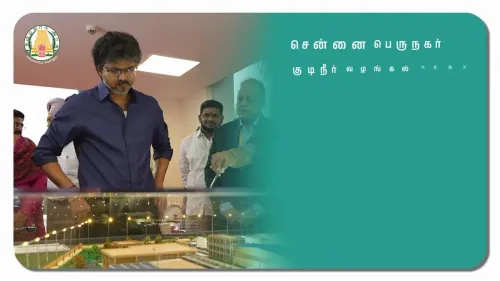
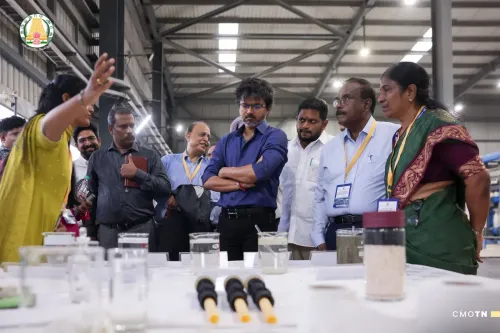
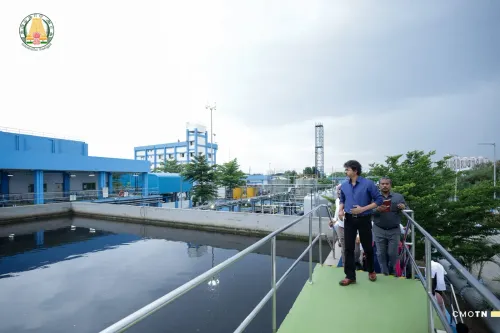
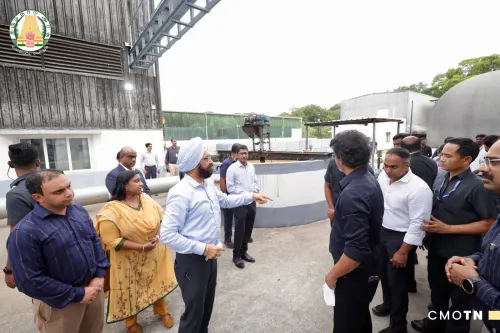
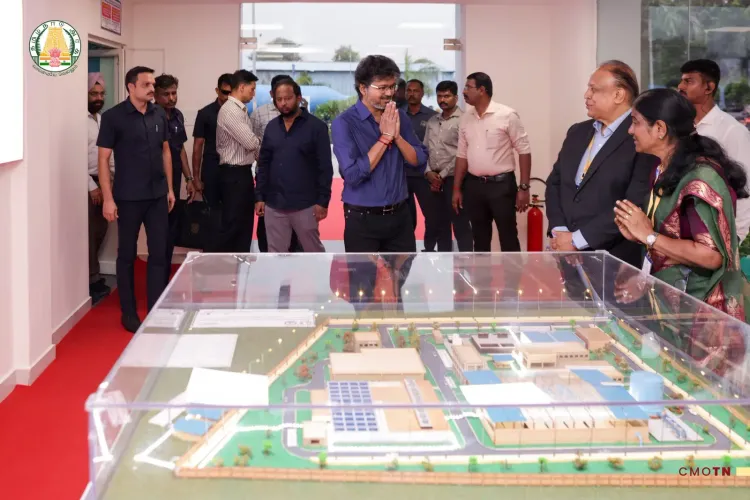
Tamil Nadu Chief Minister C. Joseph Vijay on 27 July 2026 inspected the 45-million-litre-per-day reverse-osmosis tertiary sewage treatment plant at Koyambedu, Chennai, operated by CMWSSB, signalling executive focus on the city's water recycling infrastructure.
Key Takeaways
Joseph Vijay personally inspected the Koyambedu tertiary sewage treatment plant on 27 July 2026 .
The facility has a capacity of 45 million litres per day (MLD) and uses a reverse osmosis -based tertiary treatment process.
The plant is operated by the Chennai Metropolitan Water Supply and Sewerage Board (CMWSSB) , established in 1978.
Tamil Nadu has a policy lineage of upgrading Chennai's sewage treatment through World Bank-assisted projects and the AMRUT scheme.
Treated water from such plants is used for industrial and non-potable purposes, reducing pressure on primary reservoirs.
Future budget allocations and CMWSSB capacity-addition tenders will indicate the follow-through from this inspection.
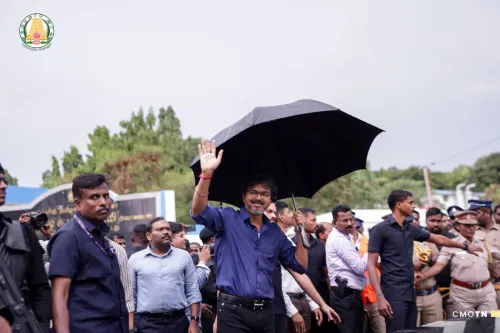
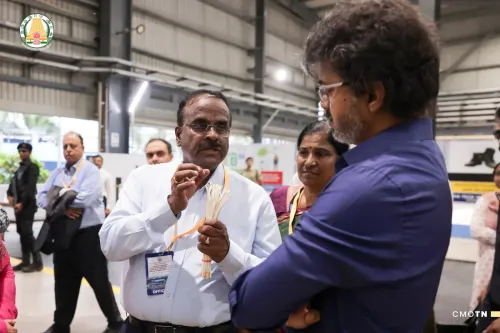
The Chief Minister's Office of Tamil Nadu announced on 27 July 2026 that Chief Minister C. Joseph Vijay personally visited and inspected a 45-million-litre-per-day tertiary sewage treatment facility in Koyambedu, Chennai, operated under the Chennai Metropolitan Water Supply and Sewerage Board (CMWSSB). The plant employs a reverse osmosis-based tertiary treatment process, representing one of the more advanced stages of wastewater reclamation in the city.
Context
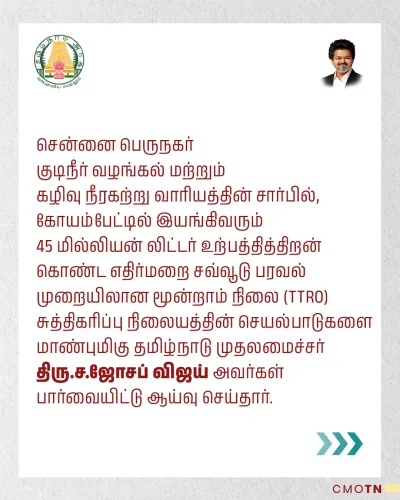
The Tamil-language post from the official CMO Tamil Nadu account states that the Chief Minister 'நேரில் சென்று பார்வையிட்டு ஆய்வு செய்தார்' — 'personally visited and conducted an inspection' — of the facility. The plant is described as an 'எதிர்மறை சவ்வூடு பரவல் முறையிலான மூன்றாம் நிலை சுத்திகரிப்பு நிலையம்', meaning a 'reverse-osmosis-based third-stage purification station', with a production capacity of 45 million litres per day (MLD). The visit was conducted on behalf of the CMWSSB, the statutory body responsible for water supply and sewage treatment across the Chennai metropolitan area.
Policy Backdrop
Koyambedu in north-west Chennai hosts one of the city's largest sewage treatment complexes, which has been expanded over successive decades to handle large volumes of wastewater. Tamil Nadu governments have historically upgraded Chennai's sewage treatment infrastructure through programmes such as the World Bank-assisted Tamil Nadu Urban Development Project in the 2000s and later through the AMRUT (Atal Mission for Rejuvenation and Urban Transformation) scheme, which placed emphasis on tertiary treatment capability. The CMWSSB was established in 1978 and remains the nodal authority for urban water and sewerage services in the Chennai region.
The broader policy direction in Tamil Nadu has been to pursue incremental capacity additions in reverse osmosis and tertiary treatment plants to address chronic water scarcity, groundwater depletion, and pollution in the Chennai basin. Treated water from such facilities is increasingly channelled for industrial and non-potable reuse, easing pressure on the city's primary reservoirs.
Stakeholders and Impact
The primary beneficiaries of expanded tertiary treatment capacity are Chennai's urban residents and industries that depend on recycled water. Effective tertiary treatment reduces discharge of pollutants into water bodies, with downstream benefits for public health and the local environment. Urban local bodies across the metropolitan area coordinate with CMWSSB on distribution and reuse of treated effluent.
Executive inspections of this nature signal political prioritisation of urban water infrastructure and typically precede decisions on maintenance contracts, capacity upgrades, or budget allocations. The visit places the Koyambedu plant under direct Chief Ministerial scrutiny, which can accelerate administrative follow-through on pending operational issues.
What's Next
Observers and civic groups will watch for any state budget announcements or tender notices related to further capacity additions at Koyambedu or comparable plants elsewhere in the Chennai metropolitan area. Periodic water quality and reuse volume reports from the CMWSSB will indicate whether the plant is meeting its operational targets. The inspection may also prompt the Board to release updated figures on daily treated water output and its end-use allocation.
Point of View
A facility with a long infrastructure history, suggests the administration is signalling continuity with incremental capacity-building rather than announcing a fresh flagship scheme. Tertiary water treatment has gained political salience as Chennai's water stress becomes a recurring electoral concern, making such inspections a low-cost, high-visibility governance signal. Whether the visit translates into accelerated capital expenditure or operational reform at CMWSSB will be the real test of intent.
NationPress
27 Jul 2026
Frequently Asked Questions
What did Tamil Nadu CM Joseph Vijay inspect on 27 July 2026?
CM Joseph Vijay inspected the 45-million-litre-per-day reverse-osmosis-based tertiary sewage treatment plant at Koyambedu, Chennai, operated by the Chennai Metropolitan Water Supply and Sewerage Board.
What is the Koyambedu water treatment plant?
The Koyambedu plant is one of Chennai's largest sewage treatment facilities, located in north-west Chennai. It uses a reverse osmosis-based tertiary treatment process to purify wastewater for reuse.
What is CMWSSB and what does it do?
The Chennai Metropolitan Water Supply and Sewerage Board (CMWSSB) is a statutory body established in 1978. It is responsible for water supply, sewerage, and sewage treatment across the Chennai metropolitan area.
Why is tertiary sewage treatment important for Chennai?
Tertiary treatment recycles wastewater for industrial and non-potable uses, reducing dependence on primary reservoirs and helping address Chennai's chronic water scarcity and groundwater depletion.
What schemes have funded Chennai's sewage treatment upgrades?
Chennai's sewage treatment infrastructure has been upgraded through the World Bank-assisted Tamil Nadu Urban Development Project and the central government's AMRUT scheme, both of which prioritised tertiary treatment capacity.