CM Joseph Vijay Inspects Sethupattu Biogas Plant in Chennai
Synopsis
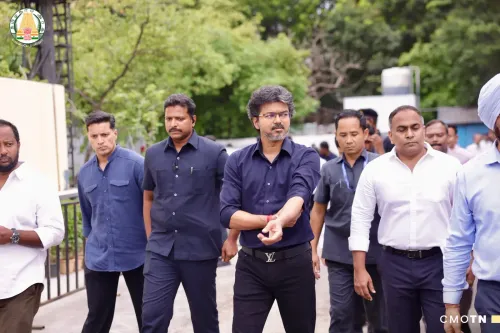
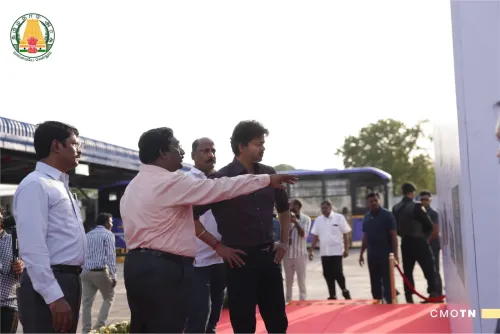
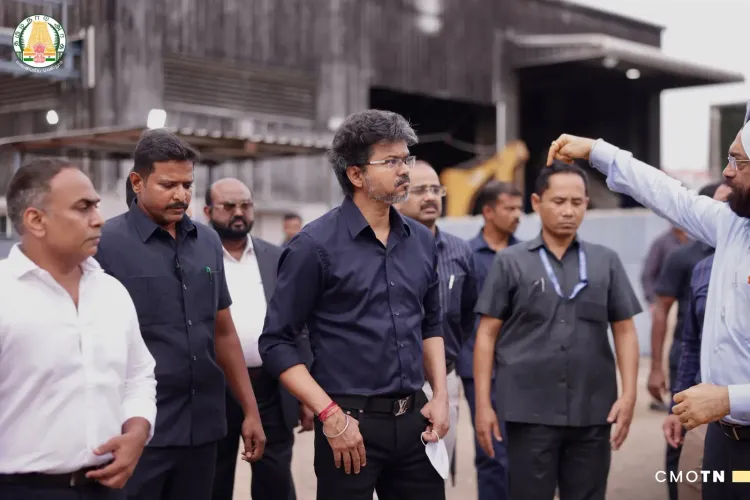
Tamil Nadu Chief Minister S. Joseph Vijay visited the biogas plant at Sethupattu, Chennai on 20 July 2026. The inspection, announced by the CMO on X with four photographs, signals administrative priority on urban waste-to-energy infrastructure as the state pursues its renewable energy and solid waste management goals.
Key Takeaways
Joseph Vijay personally inspected the biogas plant at Sethupattu, Chennai on 20 July 2026 .
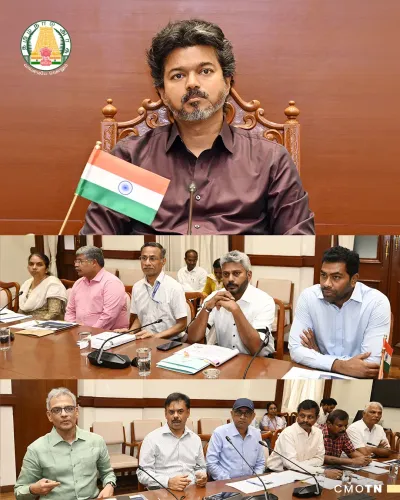
The visit was announced by the Chief Minister's Office of Tamil Nadu on X, accompanied by four photographs from the facility.
Tamil Nadu has promoted waste-to-energy and biogas projects under state renewable energy policy since the early 2010s.
The Sethupattu facility processes organic urban solid waste to generate renewable energy, addressing both waste disposal and energy supply.
The inspection aligns with central Swachh Bharat Mission (Urban) guidelines on scientific municipal solid waste processing.
Stakeholders will watch for fresh budget allocations or tenders for additional biogas plants in other Tamil Nadu urban local bodies.
The Chief Minister's Office of Tamil Nadu announced on Monday, 20 July 2026 that Chief Minister S. Joseph Vijay conducted an on-site inspection of the biogas plant at Sethupattu, Chennai, signalling administrative focus on the city's urban waste-to-energy infrastructure.
Context
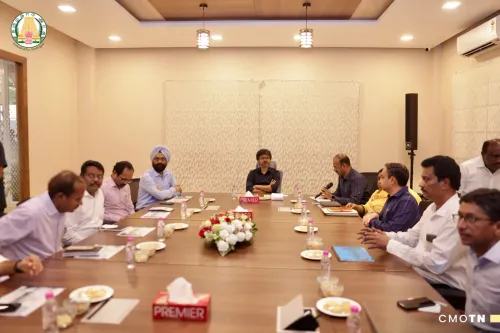
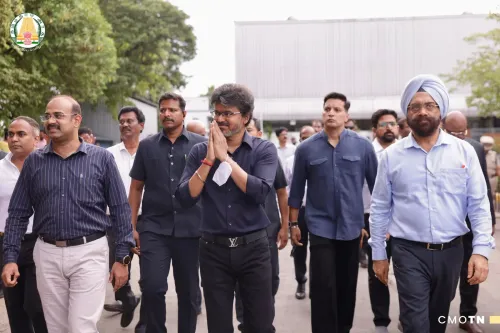
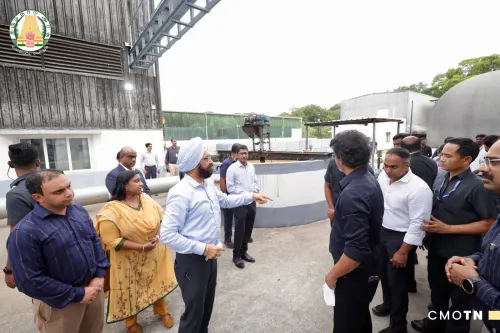
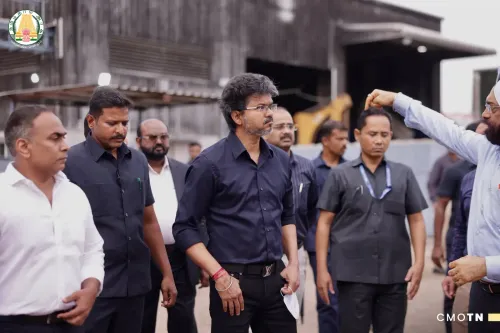
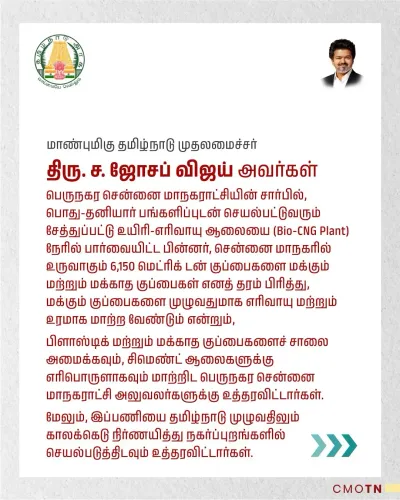
The CMO's post, shared in Tamil, stated: 'மாண்புமிகு தமிழ்நாடு முதலமைச்சர் திரு.ச.ஜோசப் விஜய் அவர்கள் சென்னை சேத்துப்பட்டு உயிரி எரிவாயு ஆலையில் ஆய்வு' — translated as 'Honourable Tamil Nadu Chief Minister Mr S. Joseph Vijay inspects the biogas plant at Sethupattu, Chennai.' The post was accompanied by four photographs from the facility, underlining the hands-on nature of the visit.
Sethupattu is a locality in Chennai that hosts municipal infrastructure projects. Such biogas facilities process organic urban solid waste to generate renewable energy, addressing two pressing civic challenges simultaneously: waste disposal and energy supply.
Policy Backdrop
Tamil Nadu has promoted waste-to-energy and biogas projects under successive state renewable energy policies since the early 2010s. These plants form part of a broader strategy to manage the organic fraction of urban solid waste while contributing to the state's clean-energy targets alongside its established solar and wind capacity.
The state's biogas push also aligns with the central government's Swachh Bharat Mission (Urban) guidelines, which emphasise scientific processing of municipal solid waste. A Chief Minister's direct inspection of such a facility typically signals that the project has been elevated to an administrative priority, often preceding policy decisions on scale-up or fresh allocations.
Stakeholders and Impact
Chennai, India's fourth-largest urban agglomeration, faces persistent solid waste management challenges given its population density and daily waste generation. Biogas plants of this kind directly benefit urban local bodies by reducing landfill pressure and generating usable energy from organic refuse.
Chennai residents, particularly those in neighbourhoods burdened by waste accumulation, stand to gain from any capacity expansion triggered by the inspection. The facility at Sethupattu serves as a model that could inform replication across other urban local bodies in the state.
What's Next
Observers will watch for state budget allocations or fresh tenders for additional biogas plants in other Tamil Nadu urban centres following this visit. Any announcement integrating such facilities more formally into the Swachh Bharat Mission framework would indicate a deliberate policy push rather than a one-off inspection.
The inspection also raises the prospect of Tamil Nadu positioning its urban biogas programme as a replicable model for other states grappling with the twin imperatives of waste management and renewable energy generation.
Point of View
Often a precursor to policy scale-up or fresh public spending. For Tamil Nadu, which has built one of India's most diversified renewable energy portfolios, anchoring urban waste management within that framework is consistent with a long-standing state priority. The Sethupattu inspection fits a broader pattern in which executive visibility on infrastructure projects accelerates bureaucratic follow-through and unlocks state or central funding. Whether this translates into a concrete expansion programme will be the real test of the visit's significance.
NationPress
21 Jul 2026
Frequently Asked Questions
What is the Sethupattu biogas plant in Chennai?
The Sethupattu biogas plant is a municipal waste-to-energy facility located in Chennai, Tamil Nadu, that processes organic solid waste to produce biogas for energy use, helping reduce landfill burden in the city.
Why did Tamil Nadu CM Joseph Vijay visit the Sethupattu biogas plant?
The Chief Minister's Office announced the visit as an official inspection, indicating administrative focus on the facility's operations and the state's urban waste-to-energy programme.
What is Tamil Nadu's policy on biogas and waste-to-energy?
Tamil Nadu has promoted biogas and waste-to-energy projects under state renewable energy policies since the early 2010s, alongside solar and wind capacity, as part of its urban solid waste management and clean-energy strategy.
How does the Sethupattu plant relate to Swachh Bharat Mission?
The facility aligns with the central government's Swachh Bharat Mission (Urban) guidelines, which mandate scientific processing of municipal solid waste, including conversion of organic waste into usable energy.
What could follow CM Vijay's inspection of the Chennai biogas plant?
Analysts expect the inspection may be followed by state budget allocations or tenders for additional biogas plants across other urban local bodies in Tamil Nadu, and possibly closer integration with central waste management schemes.