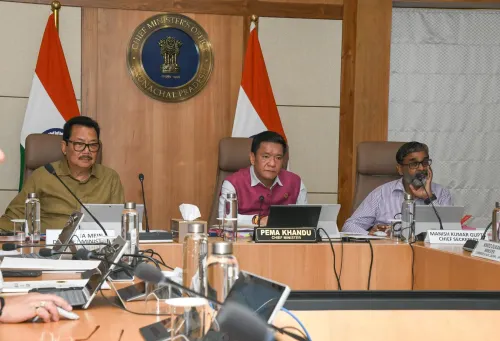
CM Pema Khandu Champions Ziro Festival's Authentic Spirit
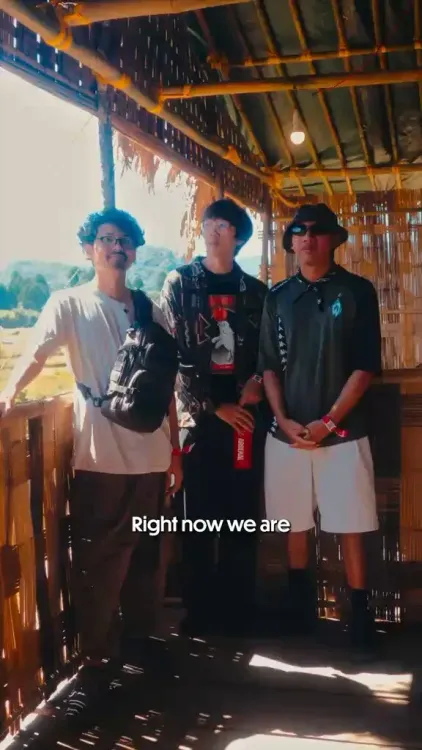
Synopsis
Arunachal Pradesh Chief Minister Pema Khandu championed the Ziro Festival of Music on X, calling it a rare space where authenticity prevails over performance. The post spotlights a festival that has, since 2012, blended indie music with Apatani tribal culture in Ziro valley, aligning with the state's broader sustainable tourism push.
Key Takeaways
CM Pema Khandu posted on X on 13 July 2026 praising the Ziro Festival of Music for its authentic, mask-free ethos.
The Ziro Festival of Music has been held annually since 2012 in Ziro valley, Lower Subansiri district , Arunachal Pradesh.
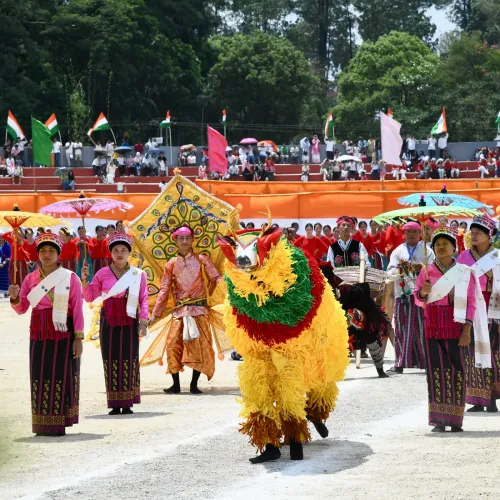
The festival is rooted in the culture of the Apatani tribe and is known for its sustainable, low-footprint format.
The post aligns with central government initiatives including the Swadesh Darshan scheme (2014-15) and the Act East Policy (2014) that prioritise Northeast tourism.
Key stakeholders include the Apatani community , indie musicians, and domestic tourists seeking immersive travel experiences.
Upcoming festival dates, artist announcements, and state tourism budget allocations remain the key developments to watch.
Arunachal Pradesh Chief Minister Pema Khandu on Sunday, 13 July 2026, took to X to celebrate the unique ethos of the Ziro Festival of Music, describing it as a space where 'masks quietly fall away, and authenticity feels effortless' amid the music, mist, and mountains of Ziro valley.
Context
The Chief Minister's post, tagged #ZiroFestivalOfMusic, draws a pointed contrast between conventional festivals that demand performance and costuming, and Ziro's invitation to simply 'be yourself.' The message, brief but evocative, reflects a deliberate effort by the state's top leader to position the festival as more than entertainment — as an experience rooted in genuine human connection and natural surroundings.
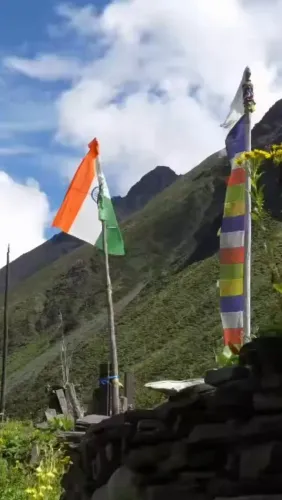
Ziro valley, located in the Lower Subansiri district of Arunachal Pradesh, is home to the Apatani tribe and sits amid terraced paddy fields and pine-forested hills. Its landscape lends the festival a character that few urban music events can replicate.
Policy Backdrop
The Ziro Festival of Music was launched in 2012 with an explicit mandate to promote sustainable tourism and celebrate local tribal culture. Over the years it has become one of India's most respected indie music gatherings, drawing artists and audiences from across the country and abroad while maintaining a low-footprint, community-rooted format.
The festival sits within a broader policy architecture. The central government's Swadesh Darshan scheme, introduced in 2014-15, identified the Northeast as a priority thematic tourism circuit, channelling infrastructure investment into states like Arunachal Pradesh. Simultaneously, the Act East Policy, active since 2014, has sought to improve connectivity and economic integration across the northeastern region, with cultural tourism emerging as a key pillar of that agenda.
Northeastern states have increasingly deployed music and cultural festivals as soft-power tools — generating local employment, showcasing tribal heritage, and attracting domestic and international visitors who might otherwise overlook the region.
Stakeholders and Impact
The most immediate beneficiaries of the festival's growing profile are the Apatani community of Ziro, whose land, culture, and hospitality form the festival's living backdrop. Homestay operators, local vendors, and artisans see direct economic returns during the event period.
For indie musicians across India, the Ziro Festival has long served as a credible, non-commercial platform — one that values artistic integrity over commercial spectacle. CM Khandu's public endorsement amplifies that reputation to a wider social-media audience, potentially boosting ticket demand and sponsorship interest for upcoming editions.
Domestic tourists, particularly younger travellers seeking immersive, offbeat experiences, represent a growing segment that posts like this are designed to reach. Social media amplification by elected leaders carries institutional weight that conventional advertising cannot replicate.
What's Next
Attention will now turn to the announcement of dates, artist line-ups, and ticketing details for the next edition of the Ziro Festival of Music. Any state budget allocations for tourism infrastructure in the Lower Subansiri region will also be closely watched as an indicator of how seriously the government intends to back its cultural rhetoric with capital spending.
If Arunachal Pradesh continues to leverage its unique tribal and natural heritage through events like Ziro, the state is well-placed to emerge as a flagship destination in India's northeastern tourism story — one where authenticity, as CM Khandu puts it, truly 'feels effortless.'
Point of View
He taps into a powerful counter-narrative to over-commercialised events, giving the festival a brand identity that money cannot easily manufacture. The post also fits a visible pattern among northeastern chief ministers who have turned to social media to reframe their states as aspirational travel destinations rather than conflict-affected peripheries. If followed by concrete infrastructure investment and a strong festival edition, this kind of political endorsement can meaningfully shift tourist footfall and media attention toward Arunachal Pradesh.
NationPress
11 Oct 2026
Frequently Asked Questions
What is the Ziro Festival of Music?
The Ziro Festival of Music is an annual indie music festival held in Ziro valley, Lower Subansiri district, Arunachal Pradesh, since 2012. It is known for blending live music with the local Apatani tribal culture and a commitment to sustainable, low-footprint practices.
Where is Ziro valley located?
Ziro valley is located in the Lower Subansiri district of Arunachal Pradesh in northeastern India. It is home to the Apatani tribe and is set amid terraced paddy fields and pine-forested hills.
Why did CM Pema Khandu post about the Ziro Festival?
CM Pema Khandu posted on X to celebrate the festival's unique ethos of authenticity and natural beauty, reflecting the Arunachal Pradesh government's ongoing effort to promote sustainable cultural tourism in the state.
What government schemes support the Ziro Festival and Northeast tourism?
The central government's Swadesh Darshan scheme (2014-15) identified the Northeast as a priority tourism circuit, while the Act East Policy (2014) has focused on improving connectivity and economic integration of the region, with cultural tourism as a key component.
When is the next Ziro Festival of Music?
The exact dates and line-up for the next edition of the Ziro Festival of Music have not yet been officially announced. Watch for state government and festival organiser communications for confirmed details.