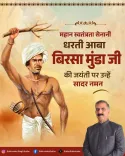
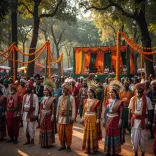
CM Pema Khandu honours Birsa Munda on Janjatiya Gaurav Divas
Synopsis
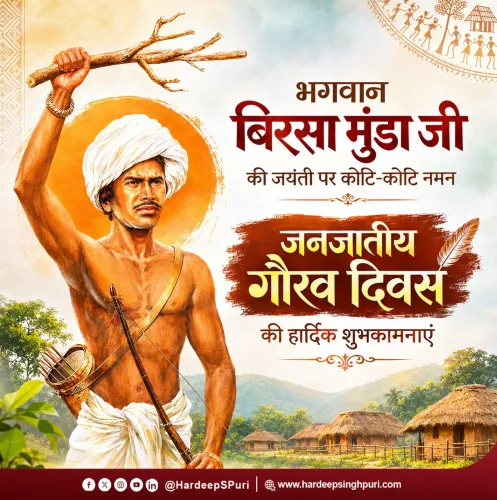
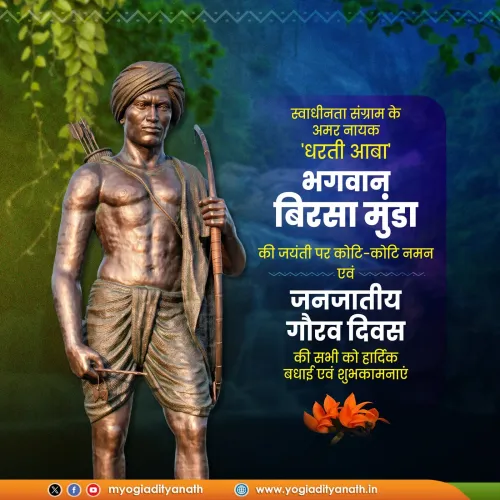
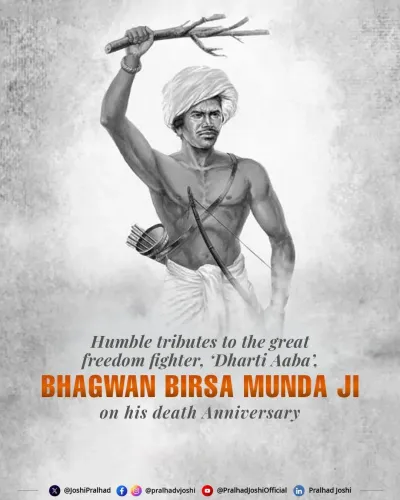
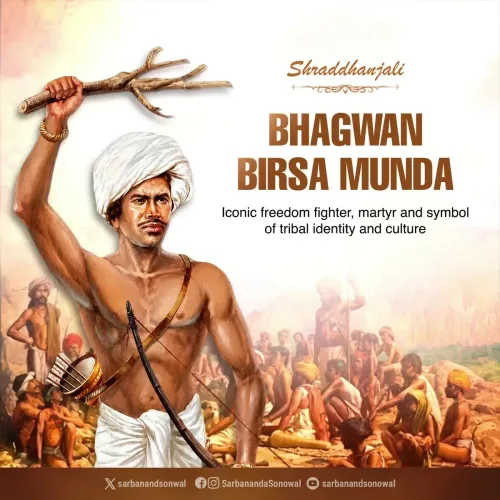
On Janjatiya Gaurav Divas, Arunachal Pradesh CM Pema Khandu honoured Bhagwan Birsa Munda — the Munda tribal leader who led the Ulgulan rebellion against British rule — calling tribal heritage inseparable from India's national identity.
Key Takeaways
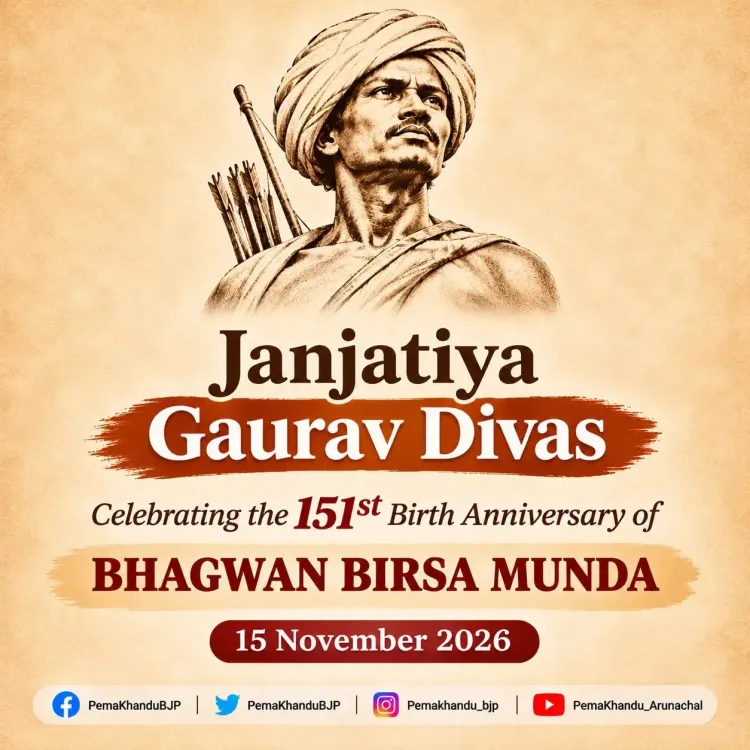
Arunachal Pradesh CM Pema Khandu posted a tribute on 15 November 2026 marking Janjatiya Gaurav Divas , the national day for tribal pride.
Bhagwan Birsa Munda , born 15 November 1875 in present-day Jharkhand , led the late-19th-century Ulgulan rebellion against British land-dispossession policies.
The Ministry of Tribal Affairs formally declared 15 November as Janjatiya Gaurav Divas in 2021 to recognise tribal freedom fighters.
Khandu described tribal heritage as built on 'courage, sacrifice, resilience and an enduring connection with land, culture and traditions.' The observance is part of a sustained central-government effort to integrate indigenous resistance movements into India's mainstream freedom narrative.
A freedom fighter who shook the British Empire with a bow and a battle cry gets his national moment — and Arunachal Pradesh Chief Minister Pema Khandu marked it with a tribute to Bhagwan Birsa Munda on Janjatiya Gaurav Divas, 15 November 2026, calling tribal heritage 'an inseparable part of India's identity.'
Who was Birsa Munda — and why does he matter today?
Bhagwan Birsa Munda was born on 15 November 1875 in present-day Jharkhand, in the heart of what was then British-controlled central India. A leader of the Munda tribal community, he organised the late-19th-century Ulgulan — 'the Great Tumult' — a rebellion that directly challenged British land-dispossession policies and the diku (outsider) encroachment that was stripping tribal communities of their forests and livelihoods. He was barely in his mid-twenties when he died in colonial custody in 1900, yet his legacy endured as a defining symbol of indigenous resistance.
Khandu's post invoked the full sweep of that legacy: 'courage, sacrifice, resilience and an enduring connection with our land, culture and traditions.' Those aren't ornamental words — they map directly onto what Birsa Munda's Ulgulan stood for: land rights, cultural dignity, and the refusal to be erased.
How 15 November became a national day for tribal India
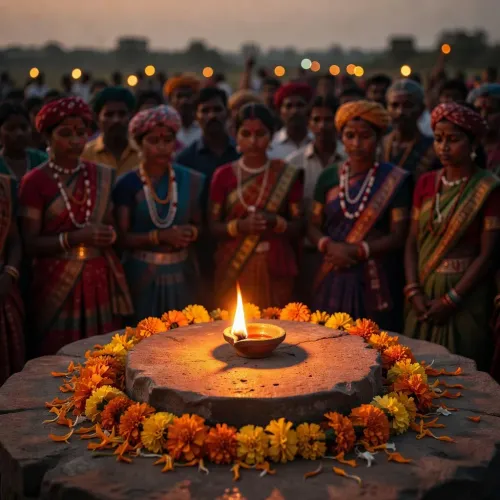
The day did not always carry this weight on the national calendar. In 2021, the Ministry of Tribal Affairs formally declared 15 November as Janjatiya Gaurav Divas — 'Tribal Pride Day' — to institutionalise recognition of tribal freedom fighters whose contributions had long remained at the margins of mainstream independence narratives. The move placed Birsa Munda alongside the more widely taught icons of the freedom struggle, giving his story — and those of countless unnamed tribal resisters — a permanent, annually renewed platform.
That policy decision has since triggered a steady calendar of state-level observances, cultural programmes, and announcements tied to tribal documentation and development. Arunachal Pradesh, home to some of India's most ethnically diverse indigenous communities spread across its high-altitude frontier, has a particular stake in this narrative. For CM Khandu — himself from an indigenous background in one of India's most tribal states — the tribute carries both political and personal resonance.
Tribal histories enter the national freedom narrative
What is happening here is bigger than a single commemoration. Since 2021, successive annual observances of Janjatiya Gaurav Divas have formed part of a deliberate, centralised effort to reframe India's freedom story — to make visible the forest-based rebellions, the land-rights uprisings, and the indigenous leaders who fought colonial rule decades before the mainstream nationalist movement reached full momentum.
Khandu's message fits squarely within that arc. By anchoring the tribute in the language of 'land, culture and traditions', it reinforces the argument that tribal resistance was not peripheral to India's independence — it was foundational. That is a reframing with long policy implications, from how school curricula are written to how tribal cultural institutions are funded.
As state-level programmes mark the day across India, the question for the year ahead is whether Janjatiya Gaurav Divas evolves from commemoration into concrete action — on forest rights, on tribal language preservation, on the development gaps that still define life for millions in India's indigenous heartlands.
Point of View
The tribute is both culturally authentic and politically strategic: Arunachal Pradesh's large indigenous population makes tribal identity central to the state's electoral geography. The annual institutionalisation of the day since 2021 signals that tribal history is no longer a footnote but a contested terrain of national memory, with real downstream implications for curriculum reform, cultural funding, and forest-rights policy.
NationPress
15 Nov 2026
Frequently Asked Questions
What is Janjatiya Gaurav Divas and why is it celebrated on 15 November?
Janjatiya Gaurav Divas is India's national tribal pride day, observed on 15 November to coincide with the birth anniversary of Bhagwan Birsa Munda . The Ministry of Tribal Affairs officially instituted the observance in 2021 to honour tribal communities' contributions to India's freedom struggle.
Who was Bhagwan Birsa Munda?
Bhagwan Birsa Munda was a Munda tribal leader born on 15 November 1875 in present-day Jharkhand . He led the Ulgulan — the Great Tumult — a late-19th-century rebellion against British land policies and colonial exploitation of tribal communities. He died in colonial custody in 1900 .
What did CM Pema Khandu say about tribal heritage on Janjatiya Gaurav Divas?
CM Pema Khandu called tribal heritage 'an inseparable part of India's identity' and described it as a legacy built on 'courage, sacrifice, resilience and an enduring connection with our land, culture and traditions,' paying tribute to Birsa Munda's fight against colonial oppression.
When was Janjatiya Gaurav Divas declared a national observance?
The Ministry of Tribal Affairs formally declared 15 November as Janjatiya Gaurav Divas in 2021 , making it an annual national observance to recognise tribal freedom fighters and celebrate indigenous heritage across India.
Why is Arunachal Pradesh significant in the context of tribal heritage?
Arunachal Pradesh is one of India's most ethnically diverse states, home to numerous indigenous tribal communities spread across its Himalayan frontier. The state's large tribal population makes indigenous identity and heritage central to its cultural and political landscape.