CM Pema Khandu at Indigenous Faith Youth Festival, Seppa
Synopsis
Arunachal Pradesh CM Pema Khandu attended the Indigenous Faith Youth Festival 2026 in Seppa on November 12, calling it humbling as young Nyibus from Nyubu Nyvgam Yerko School performed sacred tribal prayers, spotlighting the state's push to preserve indigenous shamanic heritage.
Key Takeaways
CM Pema Khandu attended the Indigenous Faith Youth Festival 2026 in Seppa , East Kameng district, on 12 November 2026 .
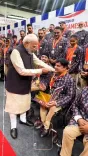
Students from Nyubu Nyvgam Yerko School, Rang performed traditional prayers as young Nyibus (indigenous shamans) before the Chief Minister.
Khandu called the moment 'truly humbling' and expressed 'immense joy and hope' at seeing indigenous spiritual heritage being transmitted to the next generation.
The annual Indigenous Faith Youth Festival aims to counter erosion of oral traditions and shamanic knowledge among tribes including the Nyishi , Adi , and Tagin .
The state has historically supported documentation and transmission of indigenous faiths alongside formal education; Khandu's endorsement signals continued political backing.
Watchers will track whether the festival leads to concrete steps such as indigenous knowledge modules in school curricula or expanded funding for institutions like Nyubu Nyvgam Yerko School .
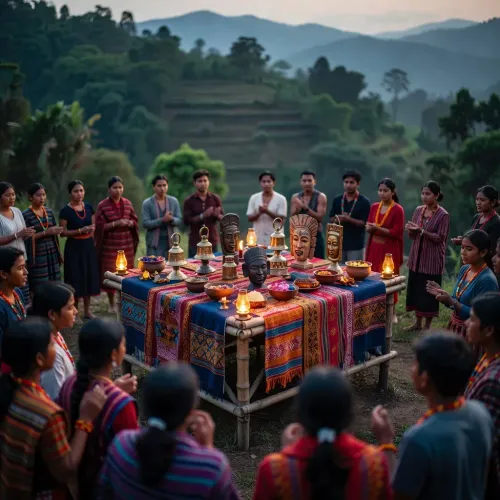
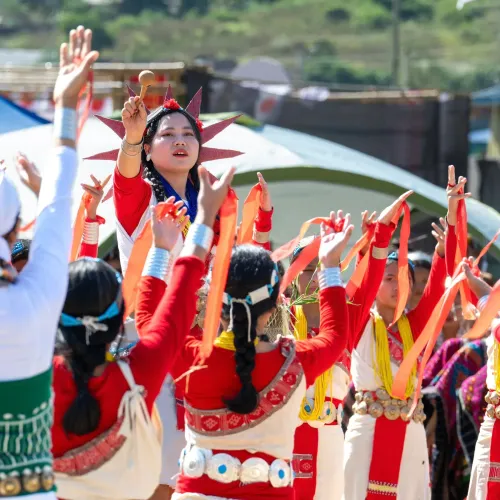
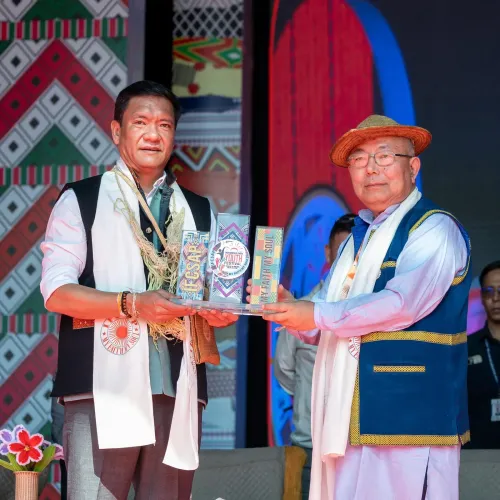
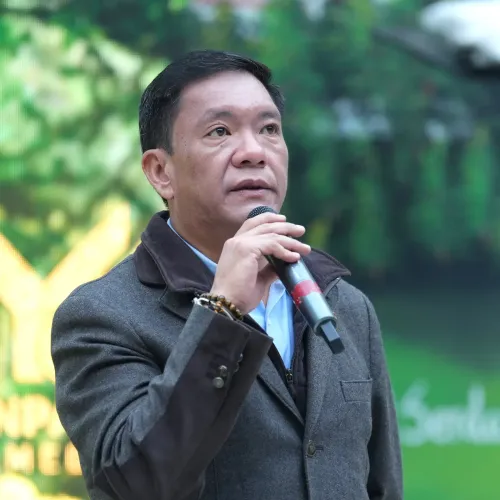
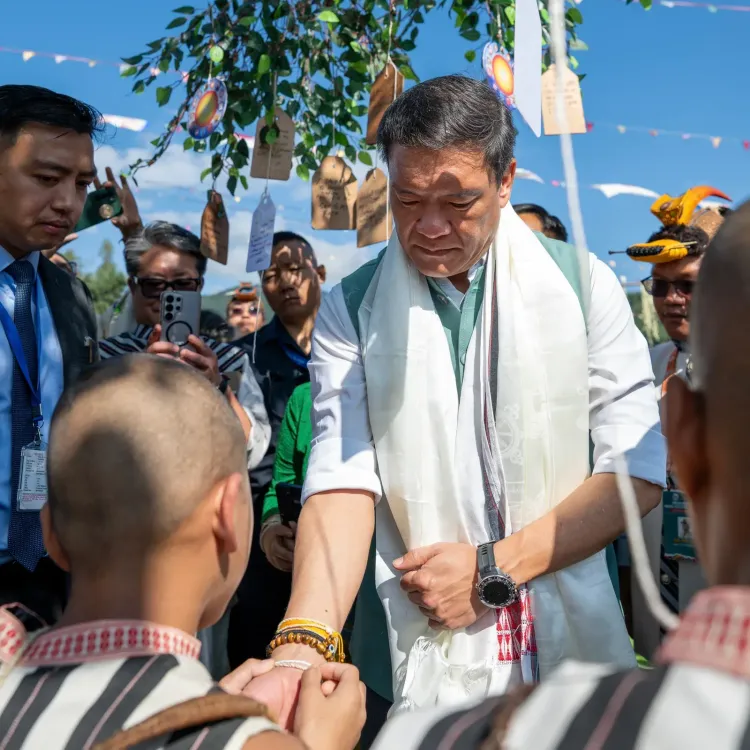
In the highland town of Seppa, young hands are keeping ancient fire alive — and Arunachal Pradesh Chief Minister Pema Khandu was there to witness it. On Thursday, 13 November 2026, Khandu attended the Indigenous Faith Youth Festival 2026 in Seppa, headquarters of East Kameng district, where students from Nyubu Nyvgam Yerko School, Rang performed traditional prayers as young Nyibus — indigenous shamans — before the Chief Minister.
Young Nyibus of Rang carry forward a living tradition
Khandu described the moment as 'truly humbling,' saying that receiving blessings through sacred prayers performed by the young shamans filled him with 'immense joy and hope.' The students belong to Nyubu Nyvgam Yerko School in Rang, an institution dedicated to training the next generation in the shamanic traditions of Arunachal Pradesh's tribal communities. Nyibus are the custodians of oral liturgy, healing rituals, and cosmological knowledge that have guided indigenous communities across the state for centuries.
'Seeing these young students carrying forward the sacred traditions of our ancestors is reassuring,' Khandu wrote, underscoring the significance of indigenous knowledge and spiritual heritage being transmitted generationally. It is a transmission that many tribal elders and scholars have feared might be broken — by urbanisation, by formal schooling disconnected from local practice, and by the steady spread of outside religious influences into the region's villages.
Seppa festival as a bulwark against cultural erosion
The Indigenous Faith Youth Festival is an annual gathering designed precisely to counter that erosion. Arunachal Pradesh is home to dozens of distinct tribal communities — among them the Nyishi, Adi, and Tagin — each with its own shamanic lineage, ritual calendar, and oral archive. State governments have over the years supported documentation and formal transmission of these faiths alongside mainstream education, recognising that once an oral tradition loses its last practitioner, it is effectively extinct. A festival that places young Nyibus at its centre is, in that light, a statement of institutional intent.
What makes this year's edition notable is the visibility it has earned at the highest political level. When a Chief Minister publicly frames a youth shamanic performance as a source of personal blessing — not merely a cultural showcase — it signals that indigenous faith is being treated as living heritage rather than museum exhibit. That framing matters for policy: it creates political cover for curricula reforms, language preservation budgets, and community-led knowledge centres.
What follows the festival will be the real test
The question practitioners and educators in East Kameng will now ask is whether the Chief Minister's visible endorsement translates into concrete steps — the incorporation of indigenous knowledge modules into state school syllabi, sustained funding for schools like Nyubu Nyvgam Yerko, and structured mentorship pathways that let young Nyibus practise alongside senior shamans without sacrificing formal education. Those decisions, made quietly in Itanagar's secretariat after the festival flags come down, will determine whether Thursday's moment in Seppa was a turning point or a beautiful photograph.
For now, the image of schoolchildren performing ancestral prayers before an audience that includes their state's most senior elected leader is itself a form of cultural validation — the kind that communities in the Northeast have long asked for and rarely received so plainly.
Point of View
Visible deference to Nyibu traditions is also a signal to indigenous communities that the ruling dispensation is not aligned with homogenising pressures. The real policy test will come when school-curriculum committees and finance departments sit down after the festival: endorsement at a podium is easy; a budget line for shamanic knowledge preservation is a commitment. That gap — between celebratory visibility and structural investment — has historically defined how much such moments actually change.
NationPress
12 Nov 2026
Frequently Asked Questions
What is the Indigenous Faith Youth Festival in Arunachal Pradesh?
The Indigenous Faith Youth Festival is an annual gathering held in Arunachal Pradesh to promote the transmission of tribal spiritual practices and shamanic traditions to younger generations, with the 2026 edition hosted in Seppa, the headquarters of East Kameng district.
Who are Nyibus in Arunachal Pradesh?
Nyibus are indigenous shamans of Arunachal Pradesh who serve as custodians of oral liturgy, healing rituals, and cosmological knowledge within tribal communities such as the Nyishi. They play a central role in preserving the region's intangible cultural heritage.
What is Nyubu Nyvgam Yerko School in Rang?
Nyubu Nyvgam Yerko School in Rang is an institution in Arunachal Pradesh focused on training young students in the indigenous shamanic traditions of the state's tribal communities, producing the next generation of Nyibus.
Why did CM Pema Khandu visit Seppa in November 2026?
Chief Minister Pema Khandu attended the Indigenous Faith Youth Festival 2026 in Seppa on 12 November 2026, where he received blessings through traditional prayers performed by young Nyibus from Nyubu Nyvgam Yerko School, Rang.
How is Arunachal Pradesh preserving its tribal heritage?
Arunachal Pradesh has supported the documentation and formal transmission of indigenous faiths practiced by tribes such as the Nyishi, Adi, and Tagin alongside mainstream education, with festivals like the Indigenous Faith Youth Festival serving as platforms to pass oral traditions and shamanic knowledge to the next generation.