CM Pema Khandu joins Modi's drug-free youth drive from Tawang
Synopsis
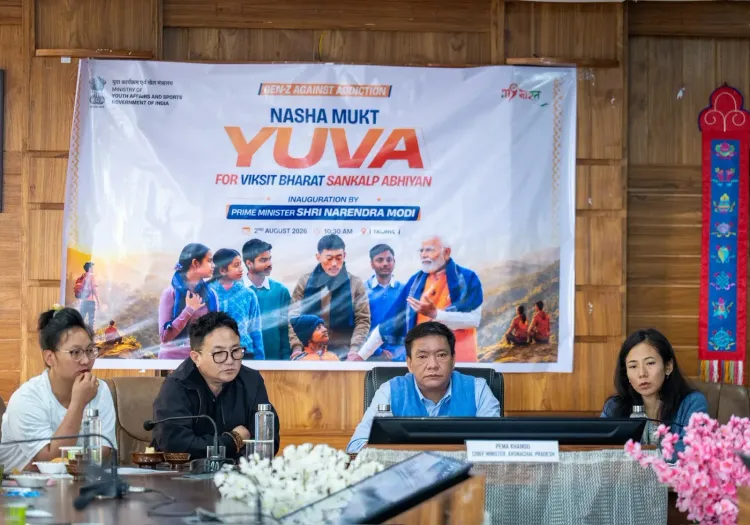
Arunachal Pradesh Chief Minister Pema Khandu joined PM Narendra Modi live from Tawang on August 2, 2026, for the launch of the 'Nasha Mukt Yuva for Viksit Bharat Sankalp Abhiyan' — a 100-week, 10,000-location nationwide campaign mobilising Indian youth to pledge against drug abuse as part of the Viksit Bharat 2047 vision.
Key Takeaways
CM Pema Khandu joined the campaign launch live from Tawang , Arunachal Pradesh on August 2, 2026 .
The Nasha Mukt Yuva for Viksit Bharat Sankalp Abhiyan is a 100-week nationwide anti-drug campaign.
The drive targets more than 10,000 locations across India, mobilising millions of young people through collective pledges.
The campaign is linked to the Viksit Bharat 2047 vision and youth network MY Bharat .
It builds on the Nasha Mukt Bharat Abhiyan launched in 2020 by the Ministry of Social Justice and Empowerment.
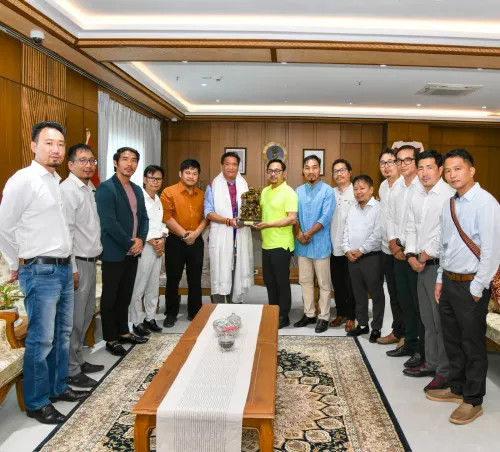
Khandu urged Arunachal's youth to act as ambassadors and bring families and communities into the movement.
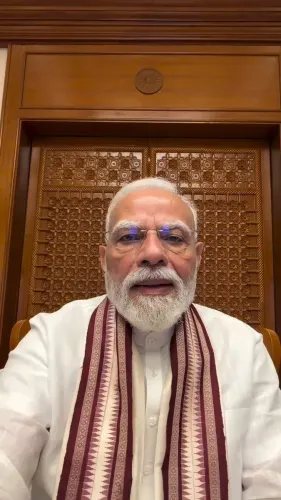
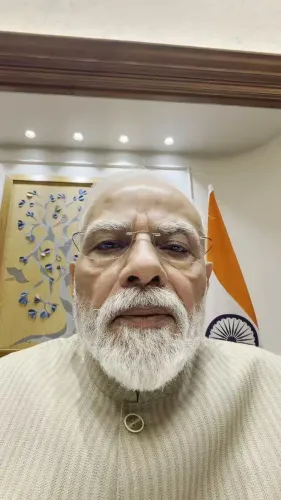
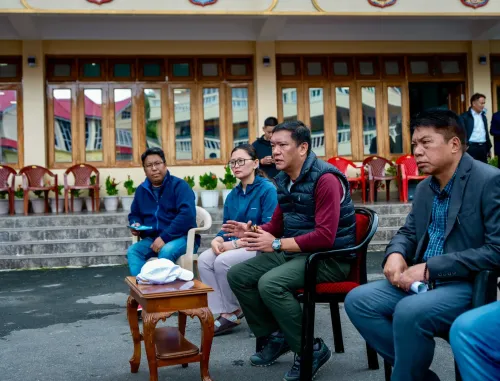
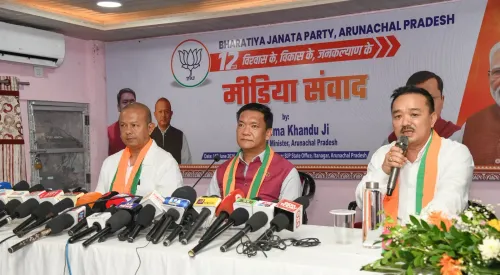
From the high-altitude frontier town of Tawang, Arunachal Pradesh Chief Minister Pema Khandu joined Prime Minister Narendra Modi live on Sunday, August 2, 2026, for the national launch of the 'Nasha Mukt Yuva for Viksit Bharat Sankalp Abhiyan' — a 100-week campaign designed to mobilise young Indians across more than 10,000 locations into a collective pledge against drug abuse.
A pledge from the border, aimed at a generation
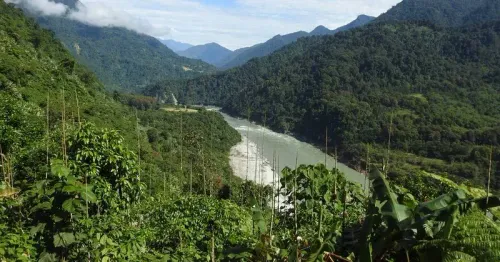
Khandu's participation from Tawang — a district that carries both strategic weight and cultural significance on India's northeastern frontier — was deliberate in its symbolism. The Chief Minister called on every young person in Arunachal Pradesh to become 'an ambassador of this movement' and to draw their families, friends, and communities into choosing what he described as 'a healthy, disciplined, and drug-free life.'
The campaign is framed not as a policing exercise but as a Jan Bhagidari — a people's participation — movement, channelling the energy of youth volunteer networks including MY Bharat to carry the message into neighbourhoods, colleges, and villages. At its core is a simple but sweeping ask: millions of young Indians, pledging in unison, to stay clean.
Nasha Mukt Bharat's long road to this moment
This is not the government's first push on the anti-drug front. The Nasha Mukt Bharat Abhiyan, launched in 2020 by the Ministry of Social Justice and Empowerment, established the template — mass mobilisation, community awareness, and pledge drives rather than enforcement alone. The new Sankalp Abhiyan sharpens that approach by tethering it explicitly to the Viksit Bharat 2047 vision: the argument that a developed India cannot be built on a drug-compromised generation.
The 100-week timeline is significant. It stretches the campaign well beyond a single news cycle, demanding sustained state-level machinery and real participation numbers — not just a launch-day headline. How northeastern states, where drug trafficking routes from the Golden Triangle remain a documented concern, translate the central campaign into ground action will be one of the sharper tests of its reach.
Why Tawang, and why it matters
Tawang is not a routine backdrop for a public health drive. A district that sits at the intersection of India's border sensitivities and its Buddhist cultural heritage, it rarely features in domestic welfare campaign launches. Khandu's choice to join live from there — rather than from the state capital Itanagar — signals an intent to extend the campaign's visibility to Arunachal's most remote and strategically watched corners. The youth of the frontier, the message implies, are as central to Viksit Bharat as anyone in a metropolitan centre.
With state-level rollout numbers and participation data from the northeast expected in the months ahead, the campaign's true footprint will become clearer. For now, a Chief Minister on India's northern edge, joining a Prime Minister's live address, has put Tawang on the map of a national health movement.
Point of View
Broadening its appeal beyond welfare into patriotic aspiration. Khandu's participation from Tawang, rather than Itanagar, extends BJP's frontier-state visibility at a moment when the northeast remains both electorally and geopolitically significant. The 100-week duration also insulates the campaign from being dismissed as a one-day pledge drive, though the real test will be whether state machinery sustains participation numbers through the full cycle. For a region sitting on drug-trafficking corridors from the Golden Triangle, the northeastern rollout carries stakes that go well beyond optics.
NationPress
16 Sept 2026
Frequently Asked Questions
What is the Nasha Mukt Yuva for Viksit Bharat Sankalp Abhiyan?
It is a 100-week nationwide anti-drug campaign launched by Prime Minister Narendra Modi, targeting more than 10,000 locations across India to mobilise youth into a collective pledge against drug abuse, linked to the Viksit Bharat 2047 vision.
Why did CM Pema Khandu join the campaign from Tawang?
Pema Khandu joined the national launch live from Tawang on August 2, 2026, to extend the campaign's visibility to Arunachal Pradesh's frontier regions and urge the state's youth to become ambassadors of the anti-drug movement.
What is MY Bharat and what is its role in this campaign?
MY Bharat is a youth volunteer network set up by the central government. It serves as one of the key mobilisation platforms for the Sankalp Abhiyan, helping carry the drug-free pledge to colleges, villages, and communities across India.
Is this a new campaign or an extension of an earlier initiative?
The new Sankalp Abhiyan builds on the Nasha Mukt Bharat Abhiyan launched in 2020 by the Ministry of Social Justice and Empowerment, which established the model of community awareness and mass mobilisation against substance abuse.
How long will the Nasha Mukt Yuva campaign run?
The campaign is designed to run for 100 weeks, with activities spread across more than 10,000 locations nationwide, making it a sustained drive rather than a single-day event.