CM Pema Khandu Meets Kalaktang Tsopa Council on Regional Welfare
Synopsis
Arunachal Pradesh Chief Minister Pema Khandu met the Kalaktang Tsopa Council on June 1, 2026, alongside MLA Tseten Chombay, to discuss regional welfare and development. The meeting underscores the state government's commitment to engaging traditional community institutions in governance decisions.
Key Takeaways
Pema Khandu held a meeting with the Kalaktang Tsopa Council on June 1, 2026 .
Kalaktang MLA Tseten Chombay was present at the consultation.
The Council shared suggestions focused on community welfare and harmonious development in the Kalaktang region of West Kameng district .
The Tsopa Council is a traditional institution central to local decision-making and heritage preservation.
The meeting aligns with Arunachal Pradesh 's established practice of consulting customary tribal bodies on development matters.
Follow-up announcements on welfare schemes or infrastructure projects for Kalaktang are anticipated.
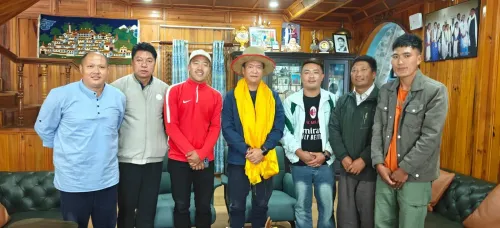
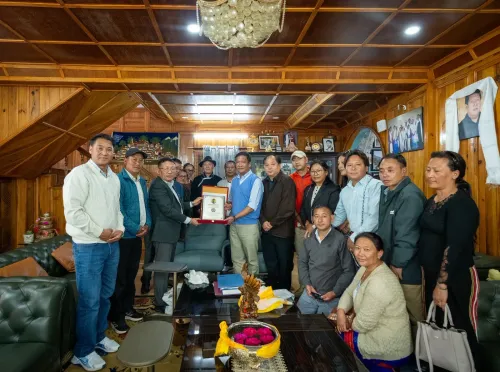
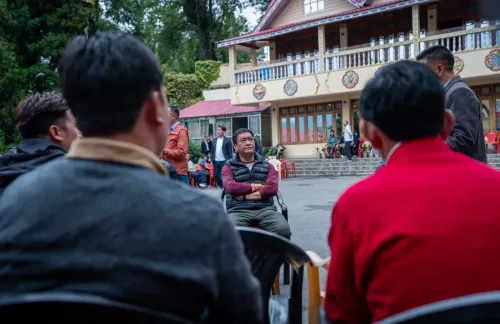
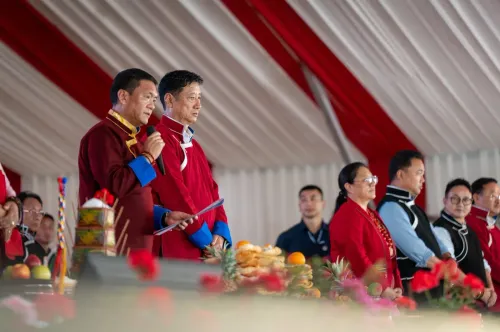
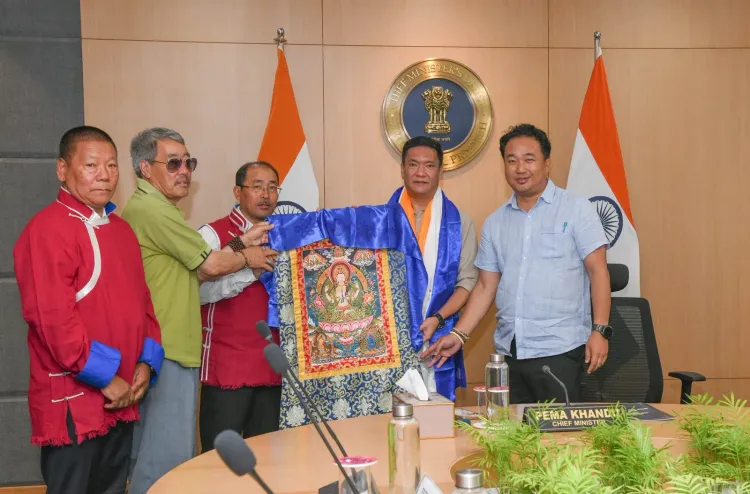
Arunachal Pradesh Chief Minister Pema Khandu on Monday, June 1, 2026, met with the Kalaktang Tsopa Council in the presence of Kalaktang MLA Tseten Chombay to discuss matters of regional importance and community welfare in the Kalaktang constituency of West Kameng district.
Context
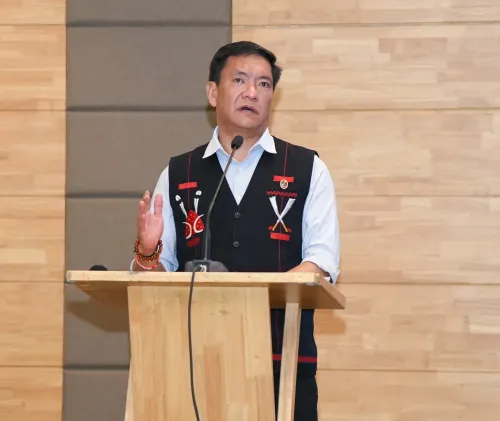
The meeting brought together the Chief Minister and a traditional community institution to exchange views on the welfare of people in the Kalaktang region. Khandu noted that the Council shared 'valuable suggestions' reflecting their 'commitment to safeguarding community interests and ensuring harmonious development.' The session was facilitated by MLA Tseten Chombay, the elected representative for the constituency.
The Tsopa Council is a customary institution rooted in the social fabric of the Kalaktang community. Such bodies have historically served as the primary forum for local decision-making and the preservation of tribal heritage in Arunachal Pradesh.
Policy Backdrop
Successive governments in Arunachal Pradesh have maintained a practice of consulting traditional tribal councils on development and welfare decisions, a trend that gained stronger institutional footing in the post-2000s period. The state's governance model recognises customary institutions as legitimate stakeholders alongside elected bodies.
Khandu, a senior BJP leader, has consistently positioned tribal welfare and inclusive regional development as central pillars of his administration. Outreach to councils such as the Tsopa Council reflects that approach, particularly in remote constituencies where community-based governance structures remain strong.
Stakeholders and Impact
The Kalaktang constituency, situated in West Kameng district, is home to communities for whom traditional institutions carry significant social authority. Engagement at the Chief Minister's level signals that concerns raised by the Tsopa Council are being heard at the highest level of the state government.
For residents of the Kalaktang region, such consultations can influence the direction of welfare schemes and infrastructure decisions. The participation of MLA Tseten Chombay ensures that the elected representative also serves as a bridge between the community institution and the state administration.
What's Next
The meeting is expected to feed into the state government's planning for welfare and development initiatives in the Kalaktang area. Observers will watch for follow-up announcements on specific schemes or projects stemming from the Council's suggestions.
If the Arunachal Pradesh government expands such consultations to other traditional councils across the state, it could signal a more structured model of participatory governance that formally integrates customary institutions into the policy pipeline — a development with implications for tribal communities well beyond West Kameng.
Point of View
Not merely ceremonial bodies. In a state where tribal customary law and elected democracy often operate in parallel, such meetings help the ruling dispensation build political legitimacy at the grassroots level. For the BJP, maintaining warm ties with community councils in remote constituencies like Kalaktang is also an electoral calculus — these bodies carry social influence that formal party structures cannot easily replicate. The broader arc points toward a governance model in Arunachal Pradesh that increasingly formalises consultation with customary institutions as part of the development planning process.
NationPress
19 Sept 2026
Frequently Asked Questions
What is the Kalaktang Tsopa Council?
The Kalaktang Tsopa Council is a traditional community institution in the Kalaktang region of West Kameng district, Arunachal Pradesh, involved in local decision-making and the preservation of tribal heritage.
Why did CM Pema Khandu meet the Tsopa Council?
Chief Minister Pema Khandu met the Tsopa Council on June 1, 2026, to discuss matters of importance concerning the Kalaktang region and the welfare of its people, with MLA Tseten Chombay also present.
Who is Tseten Chombay?
Tseten Chombay is the elected MLA representing the Kalaktang constituency in the Arunachal Pradesh Legislative Assembly.
Where is Kalaktang located?
Kalaktang is an assembly constituency located in West Kameng district of Arunachal Pradesh in northeastern India.
Does the Arunachal Pradesh government regularly consult traditional tribal councils?
Yes, successive Arunachal Pradesh governments have consulted traditional tribal councils on local development and welfare decisions since the post-2000s period, recognising customary institutions as legitimate stakeholders in governance.