CM Pema Khandu Meets Law College Students on Infrastructure
Synopsis
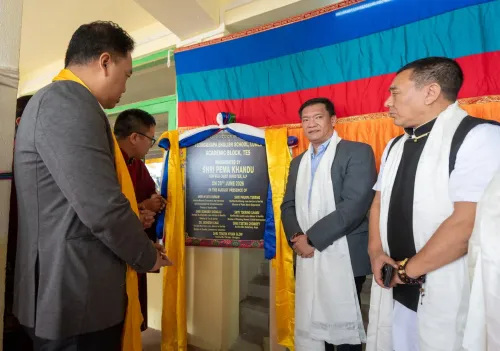
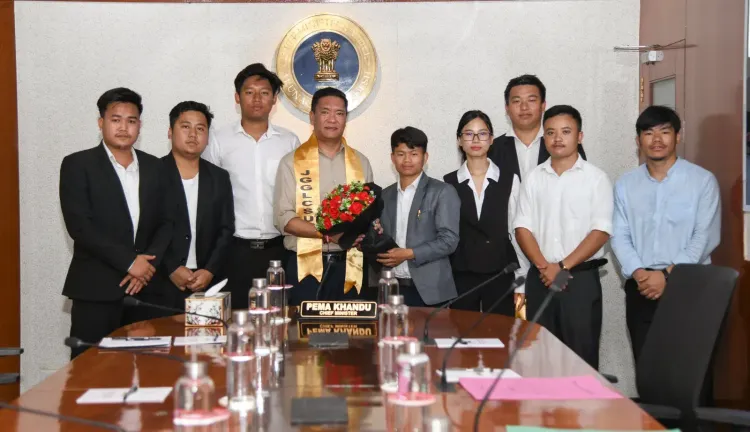
Arunachal Pradesh Chief Minister Pema Khandu met students of Jarbom Gamlin Government Law College on June 1, 2026, for a direct discussion on infrastructure shortfalls, manpower needs, and ways to strengthen the state-run law institution.
Key Takeaways
CM Pema Khandu held a direct interaction with students of Jarbom Gamlin Government Law College on June 1, 2026 .
The discussion centred on infrastructure gaps , manpower requirements , and other institutional concerns raised by students.
Students shared suggestions and concerns, and the session was described as 'constructive' by the Chief Minister.
Jarbom Gamlin Government Law College is a state-run institution named after former Arunachal Pradesh Chief Minister Jarbom Gamlin (2011-2012).
The interaction continues a broader administrative pattern of direct state-leadership engagement with government professional colleges in the Northeast.
Follow-through in state budget allocations or faculty recruitment decisions will be the key indicator of outcomes from the meeting.
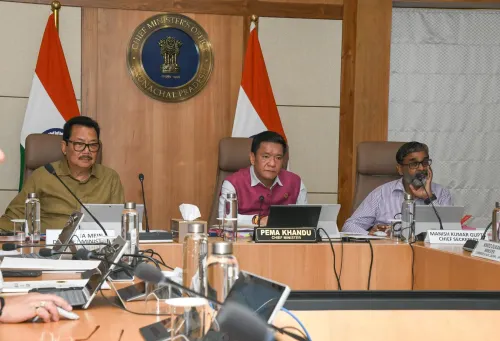
Arunachal Pradesh Chief Minister Pema Khandu on Monday, June 1, 2026, held a direct interaction with students of Jarbom Gamlin Government Law College, discussing infrastructure gaps, manpower shortfalls, and other institutional concerns. The Chief Minister described the session as a constructive exchange aimed at strengthening the state-run professional institution and improving facilities for its student community.
Context
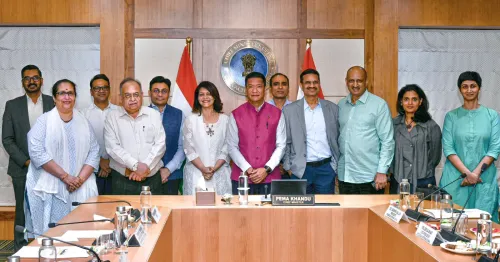
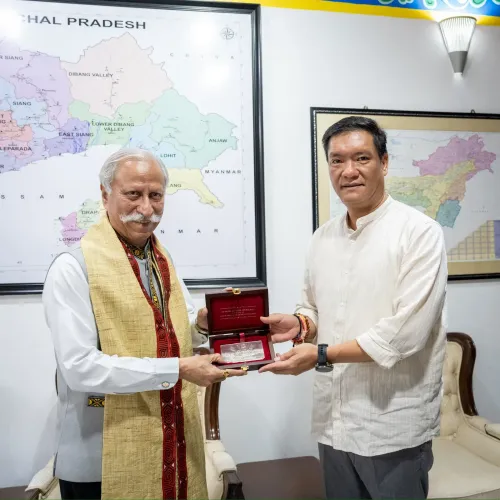
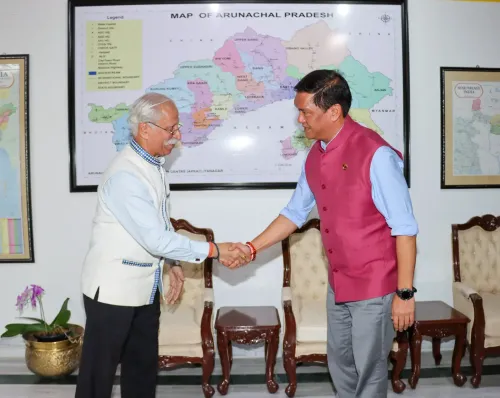
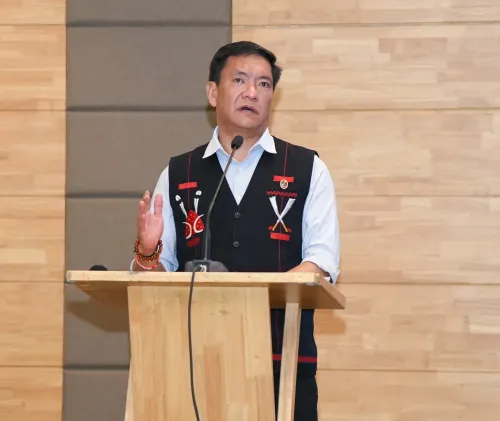
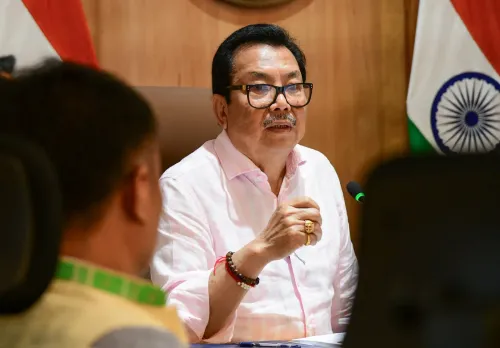
Sharing the development on X, CM Khandu wrote that students 'shared valuable suggestions and concerns' and that the discussion focused on 'ways to further strengthen the college and improve facilities for the student community.' The interaction was accompanied by photographs from the meeting, underlining its official character.
Jarbom Gamlin Government Law College is a state-run institution in Arunachal Pradesh named after former Chief Minister Jarbom Gamlin, who served as the state's Chief Minister in 2011-2012. As a government professional college, it falls directly under the purview of the state administration.
Policy Backdrop
Successive governments in Arunachal Pradesh have periodically reviewed and sought to upgrade infrastructure at government colleges, including professional institutions, as part of broader state higher-education planning. Staffing shortfalls and facility deficits at government law and professional colleges have been a recurring theme in the Northeast's education administration.
CM Khandu, who has held office since 2016, has maintained a pattern of direct engagement with students and faculty at government institutions to identify on-the-ground gaps in human resources and physical infrastructure. Such interactions are seen as a precursor to administrative or budgetary action at the state level.
Stakeholders and Impact
The primary stakeholders are the law students currently enrolled at Jarbom Gamlin Government Law College, whose academic experience is directly shaped by the quality of faculty, library resources, and physical infrastructure available to them. Prospective students and the broader legal community in Arunachal Pradesh also have a stake in the institution's standards.
For the state's legal ecosystem, a well-resourced government law college can serve as a pipeline for public defenders, judicial officers, and legal-aid practitioners — roles that are particularly critical in a state with significant tribal and land-rights adjudication needs.
What's Next
Observers will watch for follow-through in the form of state budget allocations or cabinet decisions directed at upgrading the college's infrastructure and addressing faculty recruitment gaps. The interaction signals that the concerns raised by students have reached the highest level of the state executive, raising expectations of concrete action in the near term.
Whether the Khandu government translates this engagement into a formal upgrade plan — including possible recruitment drives or capital expenditure on facilities — will determine the lasting impact of Monday's meeting on the institution and its students.
Point of View
Where government colleges often struggle with chronic faculty vacancies and ageing facilities, such high-visibility engagements can serve as political commitments that are harder to quietly shelve. The interaction fits a wider pattern of the Khandu administration using direct outreach to build a governance narrative around education reform. The real test will be whether this translates into a line item in the next state budget or a formal recruitment notification.
NationPress
21 Oct 2026
Frequently Asked Questions
What did CM Pema Khandu discuss with Jarbom Gamlin Government Law College students?
CM Pema Khandu discussed infrastructure requirements, manpower shortfalls, and other institutional concerns with students of Jarbom Gamlin Government Law College on June 1, 2026. Students shared suggestions and the session was described as constructive.
Who is Jarbom Gamlin and why is the law college named after him?
Jarbom Gamlin is a former Chief Minister of Arunachal Pradesh who held office in 2011-2012. The state government law college in Arunachal Pradesh is named in his honour.
What is the current state of government law colleges in Arunachal Pradesh?
Government law colleges in Arunachal Pradesh, like many professional institutions in the Northeast, have faced recurring challenges related to faculty vacancies and infrastructure deficits. State governments have periodically reviewed and sought to address these gaps.
What action is expected after CM Khandu's interaction with law students?
Observers expect possible follow-up in the form of state budget allocations for infrastructure upgrades or cabinet decisions on faculty recruitment at Jarbom Gamlin Government Law College, though no specific commitments have been confirmed publicly.
How long has Pema Khandu been Chief Minister of Arunachal Pradesh?
Pema Khandu has been Chief Minister of Arunachal Pradesh since 2016, making him one of the longer-serving chief ministers in the state's history.