CM Majhi announces expanded reservations for ST, SC, SEBC in Odisha
Synopsis
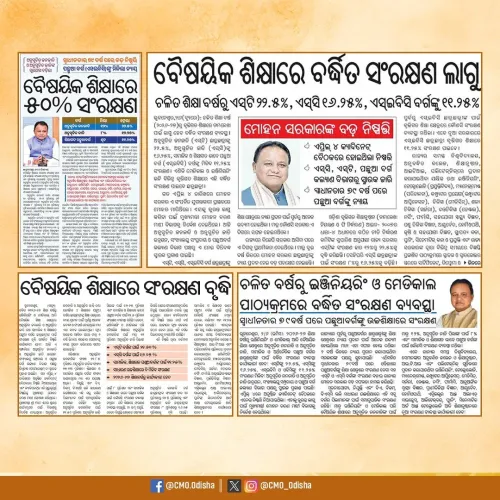
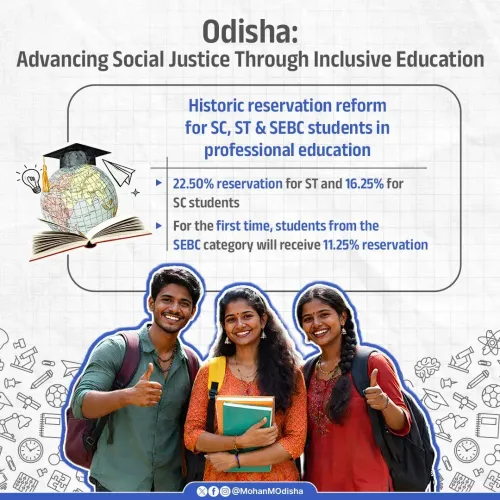
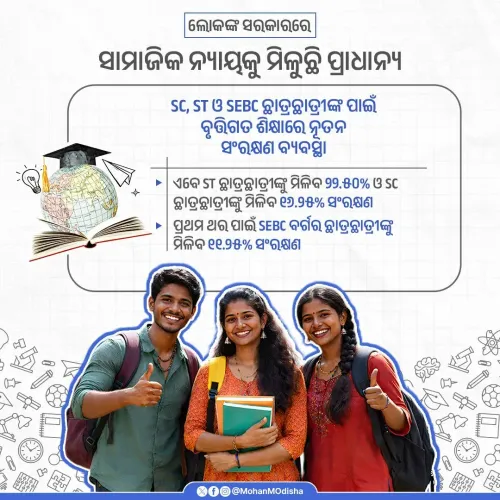
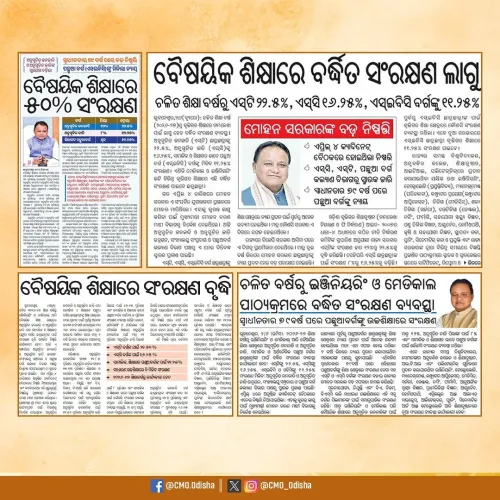
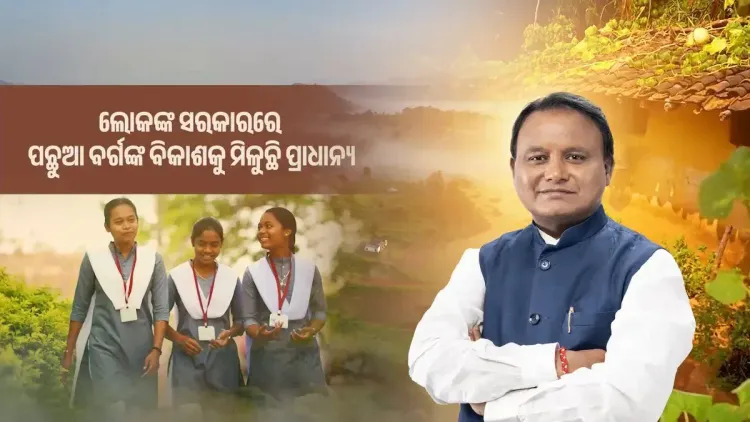
Odisha Chief Minister Mohan Charan Majhi has announced a revised state reservation framework: 22.5% for Scheduled Tribes, 16.25% for Scheduled Castes, and — for the first time — 11.25% for Socially and Educationally Backward Classes, describing it as a historic step toward social justice and an inclusive Odisha.
Key Takeaways
Scheduled Tribes will receive 22.5 per cent reservation under the revised Odisha framework.
Scheduled Castes will receive 16.25 per cent reservation.
Socially and Educationally Backward Classes (SEBC) receive 11.25 per cent reservation for the first time in Odisha.
The announcement was made by CM Mohan Charan Majhi on 5 June 2026 , invoking the Antyodaya and Sabka Saath, Sabka Vikas principles.
The move mirrors similar reservation revisions undertaken by BJP-governed states including Madhya Pradesh and Maharashtra .
The revised quotas are expected to face scrutiny from the Odisha High Court and potentially the Supreme Court over constitutional compliance.
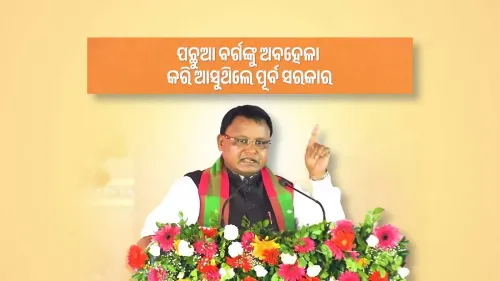
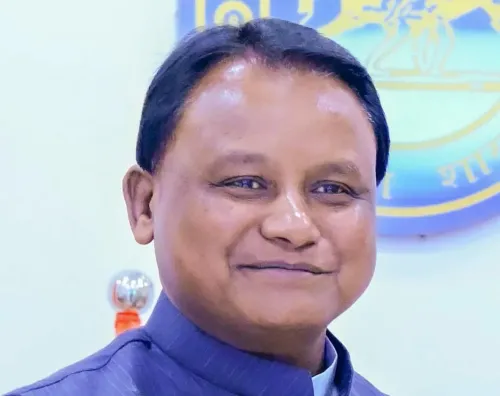
Odisha Chief Minister Mohan Charan Majhi on Friday, 5 June 2026 announced a revised reservation framework for the state, raising quotas for Scheduled Tribes (ST) and Scheduled Castes (SC) and, for the first time, extending a 11.25 per cent reservation to Socially and Educationally Backward Classes (SEBC). The announcement, made via a post on X in Odia, frames the move as a landmark step toward social justice and an inclusive Odisha.
Context
In his post, CM Majhi stated that his government is 'firmly committed to building an all-encompassing and inclusive Odisha' guided by the principles of 'Antyodaya' (upliftment of the last person in the queue) and 'Sabka Saath, Sabka Vikas' (together with all, development for all). He declared reservations of 22.5 per cent for Scheduled Tribes, 16.25 per cent for Scheduled Castes, and, 'for the very first time', 11.25 per cent for the SEBC. The Chief Minister described the revision as 'not merely an increase in reservation' but 'a unique and historic step toward social justice, equal opportunity, and a stronger Odisha.'
Policy Backdrop
Odisha has one of the highest Scheduled Tribe populations in India — over 22 per cent of the state's total — making tribal welfare a perennial policy priority. The Antyodaya philosophy, centred on reaching the poorest of the poor, has been a stated pillar of Bharatiya Janata Party (BJP)-led governments since 2014, and Majhi, who assumed office in June 2024, has consistently invoked it to signal continuity with the central government's welfare framework. The Mandal Commission recommendations of 1990 established 27 per cent OBC reservation in central institutions, and states have since calibrated their own structures to reflect local demographics and court directives.
The new 11.25 per cent SEBC quota is the most politically significant element of the announcement, as backward-class communities have long sought formal recognition in Odisha's reservation architecture. Indian states, including Madhya Pradesh and Maharashtra, have undertaken similar revisions in recent years to balance social equity goals with administrative and judicial constraints.
Stakeholders and Impact
The revised framework directly affects three distinct communities: Scheduled Tribes, who retain the largest share at 22.5 per cent; Scheduled Castes, whose quota stands at 16.25 per cent; and SEBC communities, who gain formal reservation access for the first time under this structure. Together, these groups represent a substantial portion of Odisha's population, meaning the policy has wide reach across state government recruitment and educational admissions. Civil society groups and community organisations representing SEBC communities are likely to view the announcement as a significant political acknowledgement of their long-standing demands.
What's Next
The practical impact of the revised quotas will depend on their incorporation into state recruitment notifications and university admissions processes. Legal scrutiny is a standard feature of reservation revisions in India — the Supreme Court and Odisha High Court may be called upon to examine whether the revised structure complies with constitutional ceilings and existing judicial precedents on total reservation limits. Observers will watch closely for official gazette notifications and implementation timelines from the state government in the weeks ahead.
Point of View
Dalit, and backward-class communities ahead of future electoral cycles. By invoking Antyodaya and Sabka Saath, Sabka Vikas, Majhi explicitly ties state welfare policy to the central BJP government's ideological brand, reinforcing vertical alignment between Bhubaneswar and New Delhi. The first-ever SEBC quota is the most consequential element — it signals a deliberate expansion of BJP's social coalition in a state where the party only recently broke the long dominance of the Biju Janata Dal. Whether the revised structure survives judicial review will determine whether this becomes a durable policy legacy or a political promise deferred.
NationPress
21 Oct 2026
Frequently Asked Questions
What is the new reservation percentage for Scheduled Tribes in Odisha?
Under the revised framework announced by CM Mohan Charan Majhi, Scheduled Tribes in Odisha will receive 22.5 per cent reservation in state services and educational institutions.
What is SEBC reservation in Odisha and why is it significant?
SEBC stands for Socially and Educationally Backward Classes. The 11.25 per cent reservation announced for SEBC communities is significant because it is the first time this group has been formally included in Odisha's reservation structure, addressing a long-standing demand.
Who is Mohan Charan Majhi and which party does he represent?
Mohan Charan Majhi is the Chief Minister of Odisha and a leader of the Bharatiya Janata Party (BJP) . He assumed office in June 2024 after the BJP won the Odisha state assembly elections.
What does Antyodaya mean in the context of Odisha's reservation policy?
Antyodaya literally means 'upliftment of the last person' and is a welfare philosophy that prioritises the poorest and most marginalised sections of society. CM Majhi cited it as the guiding principle behind the expanded reservation policy.
Can the Odisha reservation revision be challenged in court?
Yes. Reservation revisions in Indian states are routinely subject to judicial scrutiny. The Odisha High Court or the Supreme Court of India may examine whether the revised quota structure complies with constitutional limits on total reservations.