CM Majhi hikes ST, SC, SEBC quota in Odisha pro courses
Synopsis
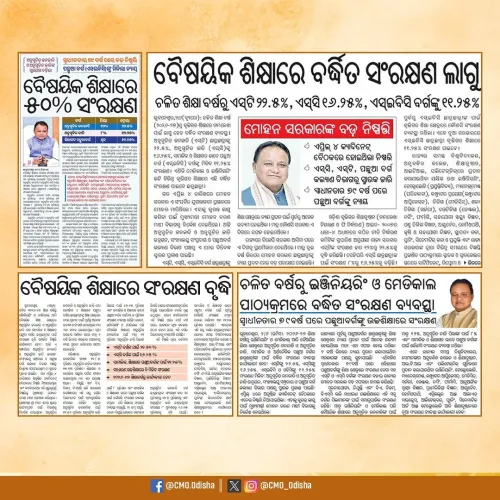
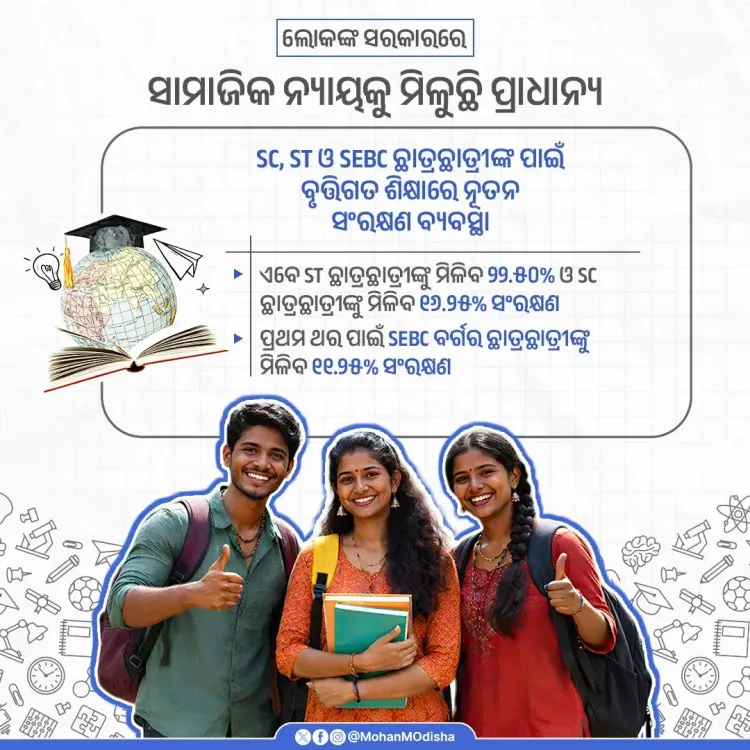
Odisha Chief Minister Mohan Charan Majhi has announced a major expansion of reservations in engineering, medical and other professional courses from 2026-27, raising the ST quota to 22.5%, SC to 16.25% and creating a fresh 11.25% quota for SEBC students, framed as delivery on the Antyodaya and Sabka Saath, Sabka Vikas commitments.
Key Takeaways
ST reservation in Odisha professional courses raised from 12% to 22.5% from 2026-27 .
SC reservation enhanced from 8% to 16.25% in the same streams.
SEBC students get a dedicated 11.25% quota in professional courses for the first time.
Decision applies to engineering, medical and other vocational education streams.
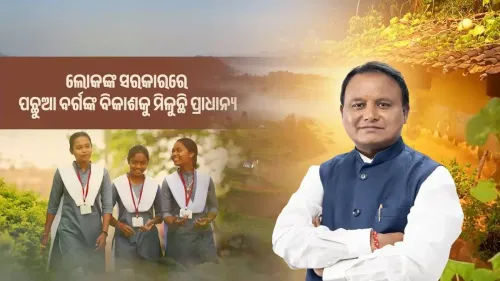
Chief Minister Mohan Charan Majhi framed the move as fulfilment of 'Antyodaya' and 'Sabka Saath, Sabka Vikas' .
Statutory memorandum has been issued; gazette notification and seat matrix revisions awaited.
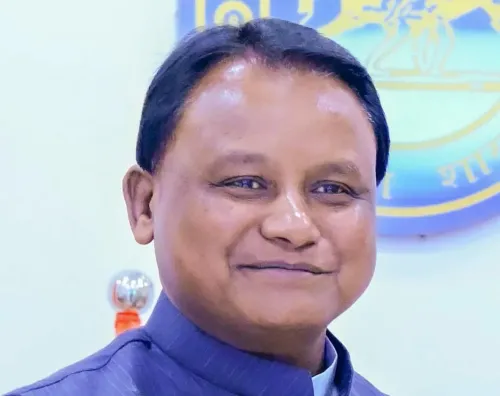
Odisha Chief Minister Mohan Charan Majhi on 3 June 2026 announced that the formal memorandum for a sweeping expansion of reservation in engineering, medical and other professional courses has been issued, taking effect from the 2026-27 academic year. Posting in Odia on X, the BJP Chief Minister called it a 'memorable day in Odisha's history of social reform and education' and framed the revision as a delivery on the government's 'Antyodaya' and 'Sabka Saath, Sabka Vikas' commitments.
Context
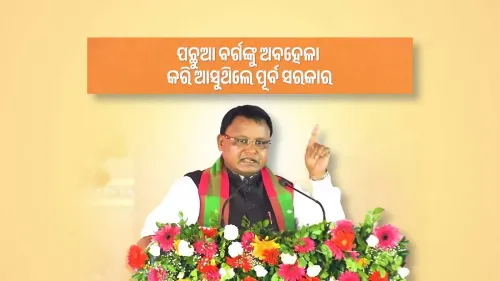
The Chief Minister said that even 79 years after Independence, meritorious students from Scheduled Tribes (ST), Scheduled Castes (SC) and Socially and Educationally Backward Classes (SEBC) in Odisha had been denied their due share in technical and vocational education. He argued that previous governments lacked the political will to expand quotas in engineering and medical streams, and that SEBC students in particular had 'kounasi sanrakshana byabasthaa hin nathila' (no reservation arrangement at all).
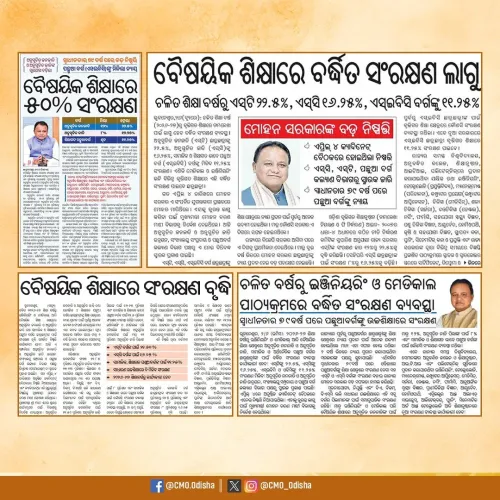
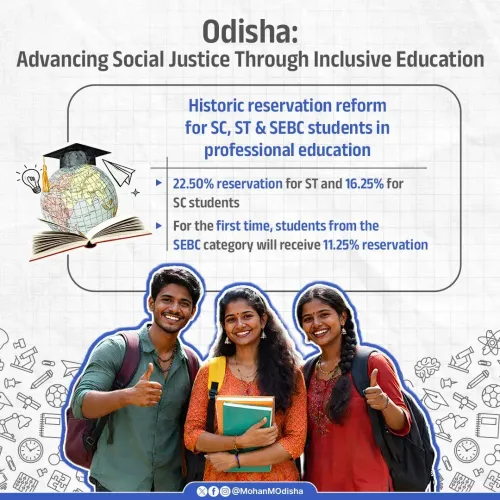
Under the revised matrix announced in the post, the ST quota in professional courses moves from 12% to 22.5%, the SC quota from 8% to 16.25%, and SEBC students — previously outside the professional-course reservation net — receive a fresh 11.25% reservation. The combined effect substantially enlarges the reserved pool in engineering and medical admissions in the state.
Policy backdrop
Odisha had long applied a mix of central reservation norms and state-specific adjustments in higher education, with SC and ST percentages set well below the demographic share of these communities in the state. Scheduled Tribes alone account for an estimated 22.8% of Odisha's population, a gap that the new ST quota of 22.5% appears designed to close.
The Chief Minister credited the shift to the cabinet decision taken within two years of the new BJP government assuming office in June 2024, the party's first stint leading Odisha after the 2024 assembly polls. He described the revision as the correction of a 'long-standing injustice' and a step towards a 'sarbasparshi o sarbasamabeshi' (all-touching and all-inclusive) Odisha.
Stakeholders and impact
The immediate beneficiaries are SC, ST and SEBC aspirants competing for seats in state engineering colleges, medical colleges and other professional institutions from the 2026-27 admission cycle. SEBC students, who till now did not have a dedicated quota in professional streams in the state, stand to gain access for the first time.
General-category aspirants in Odisha will face a recalibrated open-merit pool as the reserved share rises. Institutions will need to revise seat matrices, counselling rules and prospectuses to align with the new percentages. The Chief Minister's post indicates that the cabinet's decision has now moved into the implementation phase with the issuance of the statutory memorandum.
'Not a single meritorious student in the state should be denied the chance to fulfil their dream because of their social or economic background,' Majhi wrote, adding that the government would 'ensure' this outcome. He invited citizens to join in building a 'prosperous, empowered and inclusive Odisha' in step with the country's growth trajectory.
What's next
Attention now turns to the formal gazette notification, the revised seat matrices for engineering and medical counselling, and operational guidelines for SEBC certification and verification — a category newly introduced into the professional-course quota system. Admission authorities will need to integrate the changes before the 2026-27 entrance and counselling rounds begin.
The enhanced percentages may also invite scrutiny on the overall reservation ceiling and the manner in which the SEBC list is defined in Odisha, a recurring theme in Indian higher-education jurisprudence. How smoothly the state rolls out the revised matrix — and how aspirants, institutions and courts respond — will shape the political dividend the Chief Minister hopes to draw from this 'Antyodaya' push.
Point of View
And aligns the state's quota architecture more closely with its demographic profile, particularly the large tribal population. By creating a dedicated SEBC slot in professional courses, the BJP government is also staking a claim to the OBC consolidation space that the previous dispensation had left under-served in technical education. The political messaging — 'Antyodaya' delivered within two years — sets a benchmark the government will be asked to match in implementation, scholarships and seat expansion. Watch for legal challenges on the overall reservation ceiling and how the SEBC list is operationalised.
NationPress
25 Sept 2026
Frequently Asked Questions
What is the new ST reservation in Odisha professional courses?
The Scheduled Tribe reservation in engineering, medical and other professional courses in Odisha has been raised from 12% to 22.5%, effective from the 2026-27 academic year, as announced by Chief Minister Mohan Charan Majhi.
How much reservation will SEBC students get in Odisha engineering and medical seats?
SEBC students will get 11.25% reservation in professional courses in Odisha for the first time, starting 2026-27. Earlier, there was no dedicated SEBC quota in these streams in the state.
When will the new reservation policy in Odisha take effect?
The enhanced reservation percentages will apply from the 2026-27 academic year, covering engineering, medical and other professional and vocational education streams in Odisha.
What is the new SC quota in Odisha professional courses?
The Scheduled Caste reservation has been increased from 8% to 16.25% in engineering, medical and other professional courses in Odisha, as part of the cabinet decision announced by CM Mohan Charan Majhi.
Who is Mohan Charan Majhi?
Mohan Charan Majhi is the Chief Minister of Odisha and a BJP leader. He took office in June 2024 as the state's first BJP Chief Minister after the party won the 2024 Odisha assembly elections.